
Where Do Wasps Go in Winter? Shelter Spots and Survival Strategies

Introduction
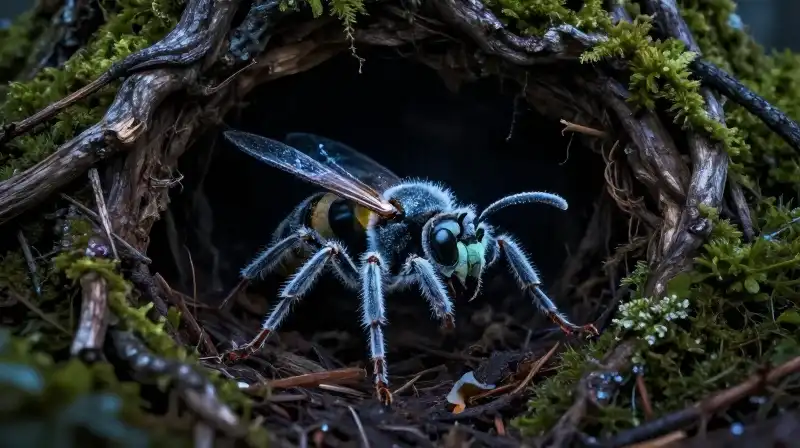
When a homeowner observes a seemingly abandoned nest, or a persistent search for “where do wasps go in winter,” they are encountering a complex process of insect survival. The idea that all wasp colonies vanish when temperatures drop is inaccurate. Instead of truly hibernating like a bear, the surviving insects, particularly the queens and potential reproductive individuals, enter a state of metabolic slowdown known as diapause. This dormancy allows them to wait out freezing temperatures. While many worker wasps will perish during cold snaps, the core of the colony, driven by the queen, seeks out insulated shelters to survive until spring.
Understanding Wasp Survival: Hibernation vs. Diapause
To accurately determine where wasps are during the winter, it is vital to distinguish between general insect concepts and the specific biology of wasps. Wasps do not typically “migrate” in the manner that some birds do; rather, they retreat to the most sheltered location nearby. Diapause is the critical term for insect survival. It is a physiological state where the insect’s metabolic rate slows dramatically at the cellular level. This isn’t sleep; it is a metabolic shutdown designed to conserve energy while minimizing damage from cold and scarcity. The effectiveness of this strategy is highly dependent on the type of wasp.
- Social Wasps (e.g., Vespidae): In a social colony, the majority of the workforce dies off due to food scarcity and freezing. The queen, along with a few potential new queens (gynes) and males (drones), retreats to a secure location to overwinter.
- Solitary Wasps: These wasps often have individual nesting behaviors. Their survival often depends on the successful protection of their eggs or larvae within underground or protected chambers, where the developing brood can endure dormancy.
Identifying Where Wasps Seek Shelter in Winter
The primary goal for surviving wasps is to find a site that offers insulation, protection from wind, and stable temperatures. These shelters are generally dark, dry, and secure, often utilizing existing human structures or natural crevices. Understanding where they hide helps in assessing potential risks.
Typical hiding spots where surviving wasps go during the winter include:
- Attics and Unfinished Spaces: These areas provide high protection from ground moisture and often maintain some degree of residual heat, particularly if near a chimney or vent.
- Under Eaves and Roof Overhangs: Small gaps, under shingles, or within the structural components of the roof provide excellent insulation and minimal exposure to the elements.
- Basements and Crawl Spaces: Protected ground-level areas that stay shielded from heavy wind and extreme temperature swings are prime winter retreat locations.
- Wall Voids and Crevices: Wasps may retreat into cracks in the siding, under loose bark, or within the structural gaps of wood piles or unused sheds. These offer natural insulation.
- Outdoors in Protected Areas: They can seek shelter under dense shrubs, large rock formations, or within deep, sheltered gaps in old wooden structures.
Addressing Removal: Is It Safe to Remove a Wasp Nest in Winter?
A common homeowner concern is whether a nest can be safely removed during the cold season. The critical answer is that caution is paramount, as dormant wasps are not necessarily dead.
Before any removal is attempted, you must determine if the colony is truly dormant or if there are active individuals present. Attacking a dormant wasp colony is hazardous because the workers and queens may be sluggish but still reactive to chemical or physical threats.
| Condition | Action/Risk Level | Recommendation |
|---|---|---|
| Active/Dormant but Present | High Risk | Treat with specific insecticide designed for dormancy; do not physically disturb. |
| Confirmed Dead (e.g., heavy icing, destruction) | Low Risk | Professional structural assessment recommended before removal. |
| Newly Established (Late Fall/Early Winter) | Medium Risk | Monitor activity; address potential access points before the colony becomes fully established. |
For any removal effort, especially if the nest is located within or on a dwelling, professional pest control consultation is strongly advised. They have the tools and knowledge to identify the colony’s status and execute removal safely.
What Happens After Winter: The Spring Awakening
The winter dormancy ends when environmental triggers, primarily increasing temperature and the availability of food resources, prompt the surviving queens and potential queens to re-emerge. These re-emerging individuals seek optimal locations to begin the reproductive cycle and establish new colonies.
The primary triggers for this awakening are:
- Warming ambient temperatures that signal a decrease in frost.
- The arrival of high-sugar, high-protein food sources (such as sap, insects, and decaying organic matter).
When they emerge, they often utilize existing, insulated structures to begin building new nests. This is why homeowner vigilance is crucial in the spring; they often target dark, sheltered areas with easy access to entry points like vents, soffits, or cracks in siding.
Preventative Measures Against Wasp Re-entry
To minimize the chances of wasps establishing a new colony in your property during the next season, preventative maintenance is more effective than reacting to an existing nest.
Focus on eliminating potential entry points and removing attractive resources before the season ends:
- Seal Entry Points: Routinely inspect and seal small cracks, gaps in siding, and unsealed vents where wasps might seek shelter.
- Maintain Yard Cleanliness: Remove dead logs, overgrown dense bushes, and piles of debris. These organic materials provide both hiding spots and potential food sources.
- Secure Food Sources: Ensure all trash bins are securely fastened and lids are tightly sealed to eliminate easily accessible sugar and protein sources.
- Monitor Structures: Keep eaves and chimney areas clear of clutter, as wasps are adept at utilizing any available structural support.
Summary of Wasp Winter Behavior
Wasps do not migrate nor do they consistently “hibernate” in the traditional sense. Their winter strategy is one of strategic withdrawal. The surviving wasps enter diapause, retreating to the most protected, insulated, and temperature-stable areas of their environment—often within or adjacent to human structures. The best strategy for managing this cycle is understanding the difference between metabolic dormancy and active infestation, and prioritizing preventative measures to seal potential entry points during late autumn.
Frequently Asked Questions
Should you remove wasp nests in winter?
Caution is paramount when removing a wasp nest in winter, as dormant wasps are often not dead and may remain reactive to threats. Attacking a dormant colony is hazardous because the workers and queens may be sluggish but still reactive to chemical or physical disturbances, so professional consultation is strongly advised for removal efforts.
Is it safe to remove wasps nest in winter?
Caution is paramount when removing a wasp nest in winter because dormant wasps are not necessarily dead and may still be reactive to physical or chemical threats. Before attempting removal, you must determine if the colony is truly dormant, and professional pest control consultation is strongly advised for any effort.
How do wasps come back if they die in winter?
Surviving wasps, particularly queens and reproductive individuals, enter a state of metabolic slowdown known as diapause to wait out freezing temperatures while in insulated shelters. They re-emerge when environmental triggers, such as warming ambient temperatures and the availability of food resources, prompt them to begin the reproductive cycle.
How to Prevent Wasp Re-entry in the Next Season
Seal Entry Points
Routinely inspect and seal small cracks, gaps in siding, and unsealed vents where wasps might seek shelter.
Maintain Yard Cleanliness
Remove dead logs, overgrown dense bushes, and piles of debris.
Secure Food Sources
Ensure all trash bins are securely fastened and lids are tightly sealed to eliminate easily accessible sugar and protein sources.
Monitor Structures
Keep eaves and chimney areas clear of clutter, as wasps are adept at utilizing any available structural support.
Related Articles