
Sweet-Tasting Water: What Causes It and How to Fix It

Introduction
Water that tastes sweet can be surprising and confusing, as it often leads people to assume a serious contamination issue. However, the causes of a sweet taste—whether in a glass of filtered water or running from a shower—range dramatically from simple chemical residues to complex plumbing issues or even bodily sensations. To accurately determine if there is a genuine water quality problem, it is essential to first differentiate between sensory crossover and actual contamination. This guide breaks down the potential origins of sweet-tasting water, providing a structured approach to helping you diagnose the cause and decide on the appropriate solution.
Sensory Crossover Versus Water Contamination
Before assuming your water supply is compromised, consider the concept of sensory crossover. This phenomenon occurs when a lingering taste from a recent activity, such as brushing your teeth or consuming a flavored drink, is mistakenly perceived as being present in the next thing you taste, which might be water. If the sweet taste is transient—meaning it disappears after a glass of water is consumed—it may be a taste residual from personal hygiene products. For instance, strong surfactants or flavorings in toothpaste, mouthwash, or certain medications can cling to the tongue and palate, masking the true flavor of the water. In contrast, if the sweet taste is consistently present regardless of what you have recently consumed, it points toward a more systemic issue, either within your home’s infrastructure or the water source itself.
Identifying Product Residue
If the taste only appears after using specific oral care products, the culprit is likely the chemical composition of those items. Modern dental and oral hygiene products often contain ingredients that can transfer into the running water. Testing with distilled water can be a quick diagnostic step; if the taste vanishes, the issue lies with the dental products or rinsing process.
Plumbing and Mineral Causes of Sweet Water
For many homeowners, the sweet taste is tied directly to the chemistry of the water as it travels through the pipes. Mineral content and the age of the plumbing are primary factors in water taste.
Mineral Buildup and Water pH
The most benign causes of a sweet water taste often involve dissolved minerals. Hardness in water—caused by calcium and magnesium—can alter the water’s pH. When these minerals deposit in pipes as limescale, the change in water composition can impart a faintly sweet flavor. This mineral balance is often what makes water taste unusually mild or sweet. ### Aging Infrastructure and Leaching Materials Older home plumbing can introduce foreign elements into the drinking supply. When pipes corrode or are constructed from certain materials, they can leach contaminants into the water.
- Lead Contamination: Older solder or specific piping materials (especially if the pH is low) can leach lead. While the primary concern is toxicity, lead and other metal ions can certainly alter the flavor, sometimes resulting in metallic or, less commonly, a sweet aftertaste.
- Copper Buildup: Copper pipes, common in older residential areas, can also leach minerals, though this usually results in a metallic taste rather than a sweet one.
- Corrosion and Sediment: General pipe corrosion can introduce various elements, and sediment buildup in shower heads or pipes can also contribute to unusual tastes.
Environmental and Disinfectant Sources
Sometimes the source of the taste is external to your home’s plumbing system, relating to the municipal water treatment or localized environment.
Chlorine and Water Treatment
Municipal water systems use chlorine as a disinfectant. While generally safe, residual chlorine can impart a faint, sometimes described as sweet or chemical, aftertaste to certain individuals who are sensitive to its compounds.
Bacterial or Environmental Issues
Rare cases of localized environmental contamination, such as mold or bacterial growth within the immediate fixtures (like a neglected showerhead), can introduce unusual flavors or odors. If the taste is accompanied by a noticeable smell, an environmental issue or bacterial activity should be investigated.
Health Conditions Affecting Taste Perception
It is critical to recognize that sometimes, the perceived sweetness is not caused by the water itself, but by how your body processes flavor.
Metabolic and Health Factors
Specific health conditions can dramatically alter taste perception:
- Diabetes: Uncontrolled blood sugar can be associated with a distinct sweet taste, often linked to metabolic processes. This is a condition of the body, not the water quality.
- Dehydration and Acid Reflux: Severe dehydration and chronic acid reflux (GERD) can significantly change the sensitivity of taste buds, potentially making flavors appear sweeter than they are.
- Medications: Various medications, including some antibiotics and allergy pills, are known to cause altered taste perceptions or dysgeusia as a side effect.
If you are experiencing persistent, unusual tastes, especially in relation to body heat or specific symptoms, consulting a healthcare professional is necessary.
Diagnostic Steps and Effective Solutions
Once you have narrowed down the potential causes, there are several practical steps you can take to address or eliminate the sweet taste.
Initial Troubleshooting and Testing
For quick diagnostics and initial attempts to resolve a mild taste:
- Flushing Pipes: Run water uninterrupted for an extended period (several minutes to hours). This helps flush out accumulated sediment, limescale, and settled impurities from the home’s supply lines.
- Distilled Water Test: Test the taste of the tap water against water that has been boiled and cooled, or filtered with distilled water. This quickly isolates whether the taste is due to the water source or household additives.
- Professional Water Testing: For persistent concerns, use residential water testing kits, specifically looking for lead, pH, and mineral content. This is the only way to accurately quantify chemical contamination.
Long-Term Water Quality Improvement
If testing reveals high mineral content or chemical issues, filtration and treatment systems can provide lasting relief.
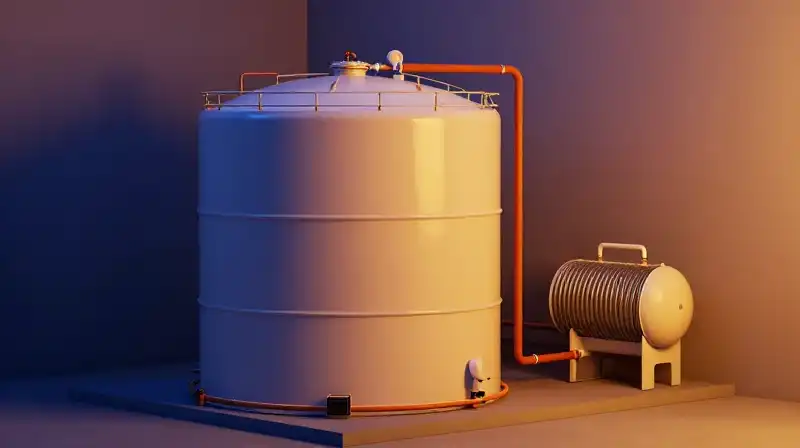
Water softeners are highly recommended for homes with hard water, as they effectively remove calcium and magnesium ions, thereby reducing the buildup of limescale that can impart a sweet taste.
Advanced filtration systems, such as Reverse Osmosis (RO) or whole-home filtration, can comprehensively address a broad range of contaminants. RO systems, in particular, offer superior removal of dissolved solids and heavy metals, resulting in a significantly purer and often neutral-tasting water supply.
Navigating the Path Forward
The appearance of a sweet taste in your water is a sign that something in your water delivery system has changed, whether it is an accumulating mineral deposit, a chemical residue, or a change in water chemistry. The key to resolving the issue lies in methodical investigation. If the taste is mild, it likely relates to mineral balance (limescale) or a temporary external factor. If the taste is severe, persistent, and you suspect structural issues, immediate and professional water testing is essential. Never overlook the possibility of health factors; if the sweet taste is accompanied by other symptoms like increased thirst, blurred vision, or unusual breath, consult a physician immediately, as these may indicate underlying metabolic conditions.
Frequently Asked Questions
Is it bad if water tastes sweet when sick?
A sweet taste in water may be due to health factors such as uncontrolled blood sugar or severe dehydration, rather than a water quality issue. If the taste is accompanied by symptoms like increased thirst or blurred vision, it is necessary to consult a healthcare professional immediately.
How to Troubleshoot and Resolve Sweet Tastes in Water
Initial Troubleshooting and Testing
Run water uninterrupted for several minutes to hours (Flushing Pipes) to help flush out accumulated sediment, limescale, and settled impurities from the home’s supply lines.
Diagnose Taste Origin
Test the taste of the tap water against water that has been boiled and cooled, or filtered with distilled water to quickly isolate whether the taste is due to the water source or household additives (Distilled Water Test).
Investigate for Contamination
For persistent concerns, use residential water testing kits, specifically looking for lead, pH, and mineral content (Professional Water Testing).
Improve Long-Term Water Quality
Use water softeners for homes with hard water to remove calcium and magnesium ions, thereby reducing limescale buildup.
Advanced Filtration
Install advanced filtration systems, such as Reverse Osmosis (RO) or whole-home filtration, to address a broad range of contaminants and improve water purity.
Related Articles