

Acetone vs. Paint Thinner: Choosing the Right Solvent for Your Project

Introduction
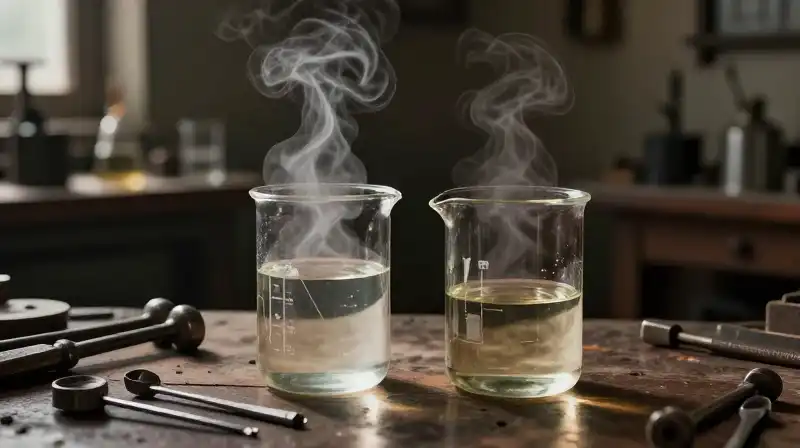
When faced with tough stains, old paint, or stubborn adhesives, two chemicals frequently come up: acetone and paint thinner. While both are powerful solvents used for cleaning and stripping coatings, they possess fundamentally different chemical properties and functional designs. Choosing the right one is not about picking the “stronger” chemical, but understanding which solvent is optimized for your specific material and desired outcome. Acetone is renowned for its high aggression and fast action, making it a versatile, general-purpose solvent. In contrast, paint thinner is typically a formulation engineered for a specific task, often dilution or broader, moderate stripping capabilities, and usually exhibits slower evaporation.
Fundamental Differences: Chemistry and Behavior
The distinctions between acetone and paint thinner stem directly from their chemical compositions. These differences dictate how they interact with various surfaces, how quickly they work, and what risks they pose.
Composition and Nature
Acetone is a ketone, a specific chemical compound known for its high volatility and rapid evaporation. This volatility is key to its effectiveness in quick surface cleans and dissolving resins rapidly. Paint thinner, on the other hand, is often a more complex, multi-solvent blend (frequently incorporating solvents like toluene, naphtha, and methyl ethyl ketone). It is designed to balance dissolving power with a level of moderate aggression, and its slower evaporation rate is often intentional to allow for soaking into thicker coatings.
Aggressiveness and Volatility
In terms of raw aggression, acetone is typically at the top of the range, offering intense stripping power. It is extremely efficient at dissolving lacquers and adhesives. However, this high reactivity means it poses a higher risk to sensitive materials. Paint thinner offers a moderate level of solvent strength. While it can perform significant stripping, it is less prone to immediate, aggressive damage to certain materials compared to the sharp, powerful action of acetone.
| Feature | Acetone | Paint Thinner |
|---|---|---|
| Chemical Nature | Specific Ketone | Complex Multi-Solvent Blend |
| Volatillity/Evaporation | Very High (Extremely Fast) | Moderate (Slower) |
| Primary Strength | Aggressive, Rapid Dissolution | Dilution, Moderate Stripping |
| General Use Profile | General-purpose, Intense Cleaning | Specific Task-oriented (e.g., Paint thinning) |
Practical Application Guide: When to Use Which
The primary use case is the decision-making process. Knowing the material and the required cleaning level dictates the choice between these two solvents.
Choose Acetone for:
When maximum efficiency and rapid results are needed, or when cleaning non-coating residues, acetone is the preferred choice.
- General Surface Cleaning: Excellent for cutting through heavy grease, residue, and grime on glass or metal surfaces.
- Label and Adhesive Removal: Highly effective for dissolving many types of glue and sticky residues.
- Quick Polish and Degreasing: Used extensively in laboratories and the textile industry for immediate cleaning action.
- Nail Polish Removal: This is one of its most common consumer uses.
Choose Paint Thinner for:
When dealing with thick coatings, when dilution is the primary goal, or when a slightly less harsh, more manageable solvent is required for a specific project.
- Paint Dilution: Its formulated purpose is often to thin paint for easier application.
- Broad Stripping: Useful for moderate stripping of lacquers and certain paint types where acetone might be too aggressive.
- Wood and Delicate Finishes: Often favored for wood restoration because its less volatile, less harsh chemical profile minimizes damage to porous materials compared to acetone.
- Standard Vehicle Maintenance: Used as a moderate solvent for certain paint types and automotive residue.
Material Compatibility Checklist: The Risk of Overuse
One of the most critical decisions is understanding what the solvent will do to the underlying material. The chemical aggression of acetone carries inherent risks that paint thinner often mitigates.
Materials to Approach with Caution (High Risk with Acetone)
Because acetone is highly volatile and extremely strong, it can cause severe damage to many materials. Use it cautiously if your project involves:
- Plastics: Acetone can melt or severely crack most common plastics.
- Wood (Unfinished/Delicate): It can damage delicate wood grain or certain stains.
- Delicate Coatings: Extremely strong solvents can sometimes remove desired protective layers or damage underlying substrates.
Materials Better Suited for Paint Thinner
Paint thinner generally offers a safer margin of error when working with materials that are sensitive to harsh chemicals.
- Porous Woods: Its slower action allows for better penetration and less immediate damage.
- Certain Finishes: It can dissolve lacquers and resins without the same immediate, aggressive reaction that pure acetone often produces.
- Mixed Substrates: It tends to provide a more balanced approach when the substrate material is unknown or sensitive.
Addressing Common Questions
Is Acetone Stronger Than Paint Thinner?
While both are powerful, “strength” is context-dependent. Acetone possesses higher chemical aggression and faster action, making it the more aggressive solvent. However, paint thinner is often “stronger” in the sense that it is optimized for a specific, controlled application, such as diluting paint, rather than raw, generalized stripping power.
Will Acetone Remove Paint on a Car?
Acetone can remove paint, but it is extremely harsh and likely to damage car paint or clear coats. For paint removal on a vehicle, a specialized, less aggressive paint stripper (which may be formulated similarly to a high-quality paint thinner or lacquer thinner) is always the safer choice.
Critical Safety and Handling Protocols
Both substances are volatile and flammable solvents. Proper safety is non-negotiable when using any chemical stripper or cleaner.
- Ventilation is Mandatory: Always use both acetone and paint thinner in a well-ventilated area, preferably outdoors or in a room with strong airflow. High volatility means the fumes can quickly become hazardous.
- Protective Gear: Always wear chemical-resistant gloves and eye protection.
- Fire Hazard: Keep both solvents far away from open flames, sparks, or heat sources.
Final Decision Criteria
To make the final selection, look past the label and focus on the material interaction and the needed result. If you require maximum, immediate dissolution (e.g., dissolving a glue patch on glass), choose acetone. If your goal is to thin a paint, strip a finish gently while preserving the substrate, or work with sensitive materials like certain woods, select paint thinner. When in doubt, always test the solvent on an inconspicuous area of your material before committing to a full cleaning project.
How to Safely Choose and Use Acetone or Paint Thinner for Cleaning
Determine Material and Result
Analyze the surface material and the required outcome (e.g., aggressive cleaning, gentle stripping, or dilution).
Select the Appropriate Solvent
Choose Acetone for maximum efficiency and rapid results on sturdy surfaces, or choose Paint Thinner for delicate materials, paint thinning, or broader, moderate stripping.
Verify Material Compatibility
Check the selected solvent against the material to ensure it will not melt, crack, or severely damage the underlying substrate.
Perform a Test Application
Always test the solvent on an inconspicuous area of the material before proceeding with a full cleaning project.
Ensure Mandatory Ventilation
Always use the solvent in a well-ventilated area, preferably outdoors or in a room with strong airflow, due to their high volatility.
Apply Protective Gear
Wear chemical-resistant gloves and appropriate eye protection at all times during the application process.
Maintain Fire Safety
Keep both solvents far away from open flames, sparks, or any heat sources to prevent a fire hazard.
Related Articles