

Butter Bell Explained: How It Works to Keep Butter Fresh

Introduction
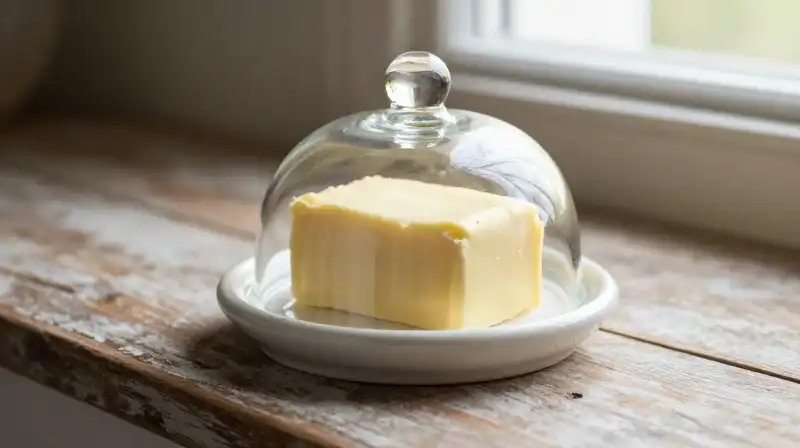
The butter bell, often referred to as a French butter crock, is more than a simple decorative holder; it is a functional preservation tool designed to maintain the texture and flavor of butter at room temperature. It works by establishing a highly controlled, near air-tight environment around the butter, effectively decoupling it from the elements that cause degradation. Its primary function is not just to keep it from melting, but specifically to prevent oxidation—the chemical process known as rancidity. By isolating the butter, the butter bell ensures it remains soft, spreadable, and flavorful for up to a month, provided proper care and temperature limits are observed.
The Mechanism of Preservation: Preventing Oxidation
Understanding how a butter bell works requires looking past simple containment and focusing on chemical preservation. The butter bell utilizes a multi-layered system to achieve its goal:
Creating an Airtight Barrier
The core mechanism relies on creating a hermetic seal between the butter and the atmosphere. This seal is achieved by carefully inverting the lid, which holds the butter, into the base filled with water. This water layer serves multiple purposes, most critically, it provides a physical barrier that prevents the continuous ingress of fresh oxygen from the ambient air.
Fighting Rancidity Through Smothering
Fat degradation, or rancidity, is essentially an oxidation reaction. Just as fire consumes oxygen, fats react with atmospheric oxygen over time, causing them to break down into various compounds that produce an unpleasant, stale odor. The bell “smothers” this process. By removing the continuous supply of fresh oxygen, the system dramatically slows down the oxidation reaction, thereby keeping the fatty acids stable.
Role of the Water Layer
The water in the base is essential for sealing the system and maintaining temperature stability. While it is a barrier against air, it also contributes to keeping the butter cooler than if it were simply sitting exposed on a counter. However, it is crucial to note that the water should not touch the butter directly; its function is to maintain the integrity of the seal and create a protective buffer.
Operational Guide: How to Use a Butter Bell Correctly
Successful butter preservation depends heavily on adherence to specific usage and handling protocols.
Initial Setup and Assembly
To begin using a butter bell, follow these steps to ensure the seal is effective:
- Place a sufficient amount of water in the base.
- Softening the butter at room temperature allows it to be pressed firmly into the lid.
- The butter must be pressed into the lid and the surface leveled thoroughly to ensure a clean, uninterrupted seal before the lid is inverted into the water base.
Temperature and Storage Limits
While the bell allows storage at room temperature, this is not unlimited. The system is designed to work optimally when kept in temperatures below approximately 27°C. Placing the butter bell in extreme heat or direct, intense light can compromise the seal, accelerate fat degradation, and lead to premature spoilage.
Maintenance and Troubleshooting Butter Bell Performance
The effectiveness of the butter bell is time-sensitive and requires diligent maintenance to prevent the water from becoming a source of spoilage.
Water Changes and Cleaning
A critical maintenance requirement is the regular refreshing of the water. Stagnant water can harbor bacteria and introduce contamination. It is recommended to change the water every two to three days. Furthermore, the entire ceramic vessel must be thoroughly hand-washed before every reuse to maintain hygiene and ensure an unbroken seal.
Addressing Common Issues
* **If the bell is not working:** Ensure the lid was pressed firmly and leveled properly upon insertion. Check for any cracks in the ceramic, as these can break the seal. * **Butter melting:** The bell is designed for room temperature storage and generally prevents melting, but if stored in direct sunlight or near a heat source, the temperature may exceed the safe threshold for the seal. * **Butter spoiling:** If the butter develops off-flavors, it is usually due to oxidation, indicating the seal may have been breached or the storage temperature was too high.
Butter Bell vs. Butter Dish: Making the Right Choice
While both are used for butter storage, they serve different primary functions.
Butter Bell (Crock)
The butter bell is designed for active preservation. It actively utilizes a sealed system (water barrier) to significantly slow down the chemical degradation of the fat. It is ideal for those who want to store butter in soft, usable condition for several weeks at ambient temperature.
Standard Butter Dish
A standard butter dish relies solely on insulation and simple coverage to keep butter cool and protected from dust. It does not employ the sophisticated barrier against atmospheric oxygen, meaning the rate of rancidity will be higher compared to a sealed crock. The choice between the two often depends on the priority: passive containment versus active preservation.
Addressing Key User Questions
Does a butter bell keep butter from melting?
The primary design function is preservation, not refrigeration. By maintaining a controlled, insulated environment, it helps the butter remain soft and pliable at room temperature, making it far less likely to melt rapidly compared to exposed butter. However, if the ambient temperature is excessively high, the bell cannot indefinitely prevent melting.
Does the water touch the butter in a butter bell?
No. The lid, containing the butter, is inverted into the water base, but the water does not come into direct contact with the butter. The water functions as a thermal and atmospheric buffer, facilitating the airtight seal and keeping the environment cool around the surface.
Practical Precautions for Optimal Storage
To ensure maximum benefit from your butter bell, consider these final practical guidelines:
- Maintain a consistent placement for the bell; avoid placing it near windows, ovens, or drafty entryways.
- Store the bell on a stable, non-vibrating surface to guarantee the seal remains undisturbed.
- Regular inspection of the vessel is vital to confirm the integrity of the ceramic and the effectiveness of the seal.
Frequently Asked Questions
Does a butter bell keep butter from melting?
A butter bell helps butter remain soft and pliable at room temperature by maintaining a controlled, insulated environment, making it far less likely to melt rapidly compared to exposed butter. However, the bell cannot indefinitely prevent melting if the ambient temperature is excessively high.
How to use and maintain a butter bell
Prepare the base
Place a sufficient amount of water in the base of the butter bell.
Prepare the butter and lid
Softening the butter at room temperature allows it to be pressed firmly into the lid. The butter must be pressed into the lid and the surface leveled thoroughly to ensure a clean, uninterrupted seal.
Assemble the bell
Invert the lid, holding the butter, into the water base to create a hermetic seal.
Maintain the setup
Change the water every two to three days and thoroughly hand-wash the entire ceramic vessel before every reuse.
Store the bell
Keep the bell in temperatures below approximately 27°C and maintain a consistent placement on a stable, non-vibrating surface, avoiding direct sunlight or extreme heat.
Related Articles