Why Water Wont Put Out Every Fire: The Science of Extinguishers

Introduction
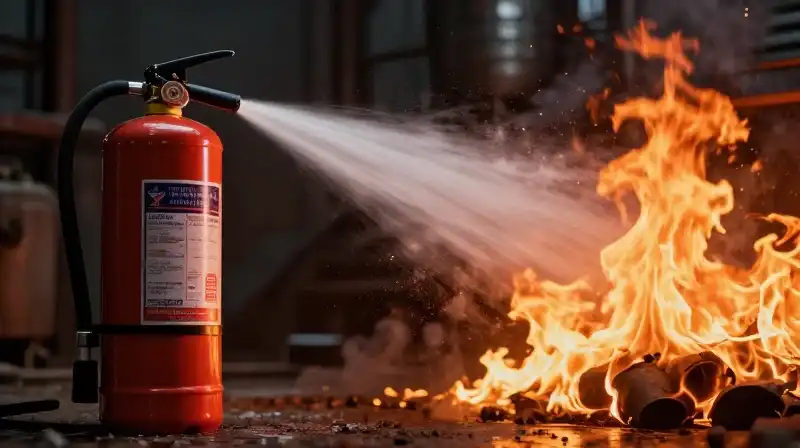
Water is a powerful and efficient fire suppression agent, primarily functioning through the fundamental principles of heat absorption and oxygen displacement. When water is applied to a typical fuel source, like wood or paper, it absorbs vast amounts of heat, rapidly cooling the material below its ignition temperature, while simultaneously turning into steam. This steam displaces the oxygen required to sustain combustion. However, the effectiveness of water is not universal. The suitability of water is strictly conditional; applying it to the wrong substance, or to a fire of a certain intensity, can result in failure, a dangerous chemical reaction, or even a massive explosion. Understanding the chemistry behind fire suppression is essential for making life-saving decisions in an emergency.
The Core Mechanism: How Water Extinguishes Fire Chemically
Fire, fundamentally, is a rapid, exothermic chemical reaction requiring three components: fuel, oxygen, and sufficient heat (the fire triangle). Water attacks this triangle primarily through thermal suppression. As water contacts the fuel, it undergoes a phase change—liquid to gas (steam). This transition is highly endothermic, meaning it consumes a significant amount of energy (heat) from the surrounding environment. By pulling this heat away from the fuel, the reaction slows and ultimately stops. Furthermore, the expanding volume of steam pushes back the ambient air, effectively reducing the available oxygen supply. This dual action—cooling and smothering—makes water highly effective against most ordinary combustible fires.
Limitations of Water: When Standard Methods Fail
While effective on standard combustibles, water encounters critical limitations when the chemical nature of the fuel or the environmental factors change. These limitations necessitate the use of specialized Class A, B, C, or D extinguishers, depending on the hazard.
Hazard 1: Flammable Liquids and Greases (Class B Fires)
When a fire involves oil, grease, or petrol, using water is actively dangerous. These materials are lighter than water, and when hot, the fuel can become highly volatile. If water is poured onto hot oil or grease, the temperature difference causes the liquid to instantly flash and splash, spreading the burning material across a wider area. This violent action exposes more fuel to oxygen, causing the fire to rapidly intensify and become much harder to control.
Hazard 2: Electrical Hazards (Class C Fires)
Water is a polar molecule and, in the presence of moisture or dissolved salts, it is an electrical conductor. In an electrical fire, such as one caused by a short circuit or faulty wiring, introducing water risks electrocutng the person attempting to extinguish the blaze. Because of this severe risk to life, power must always be cut off at the source before any attempt to suppress an electrical fire is made. Specialized, non-conductive extinguishing agents are required.
Hazard 3: Highly Reactive Metals (Class D Fires)
The most extreme limitation of water is its incompatibility with certain combustible metals, such as magnesium, sodium, or lithium. These materials do not burn in the traditional sense; they react violently and chemically with water. When reactive metals contact water, the chemical bonds of the water molecule are broken, stripping oxygen atoms to form highly unstable oxides (e.g., magnesium oxide). Critically, this process liberates highly flammable hydrogen gas. The resulting buildup and subsequent detonation of this hydrogen gas cause a massive, rapid fireball, effectively accelerating the fire rather than extinguishing it.
The Specialized Science: Why Water vs. Chemical Extinguishers
Because different fires require different extinguishing mechanisms, the specific chemistry of the hazard dictates the appropriate response. When water fails, other methods are used:
- Chemical/Dry Powder Extinguishers (e.g., ABC or BC): These agents work by interrupting the chemical reaction of fire. They often smother the fire by creating a barrier or by chemically inhibiting the combustion process, allowing them to handle flammable liquids and electrical fires safely.
- Specialized Class D Agents: These are proprietary powders designed specifically for reactive metals. These powders form a physical, stable crust over the burning metal, insulating it from the surrounding oxygen and safely absorbing its heat without initiating a catastrophic water reaction.
- Carbon Dioxide (CO2) Extinguishers: CO2 works purely by displacement. It is heavy, inert, and non-conductive, displacing the oxygen in an enclosed space (like a server room or a vehicle engine bay) without leaving a residue.
Making the Right Decision: Fire Suppression Criteria
Identifying the chemical nature of the fire is the only way to prevent dangerous escalation. While a definitive chemical analysis isn’t possible in an immediate emergency, understanding the fuel type guides the decision:
| Fire Type (Class) | Typical Fuel | Water Suitability | Recommended Agent |
|---|---|---|---|
| A (Solid) | Wood, Paper, Textiles | Yes | Water (or standard A extinguisher) |
| B (Liquid) | Grease, Oil, Gas, Petrol | No | Foam or Dry Chemical (B type) |
| C (Gas/Electrical) | Live Electrical Equipment | No | CO2 or Dry Chemical (C type) |
| D (Metal) | Magnesium, Sodium, Lithium | Absolutely Not | Specialized Class D Powder |
Synthesis and Safety Precautions
The decision to use water must be approached with chemical awareness. Water’s strength lies in its ability to absorb heat and displace oxygen in non-reactive environments. Its failure stems from either the risk of spreading volatile fuels (liquid fires) or the catastrophic, violent chemical reactions caused by contact with specific reactive metals. For any uncontrolled or commercial fire, the first and most critical action is to immediately contact professional emergency services. Do not attempt to suppress a high-intensity fire, especially involving electrical equipment, flammable liquids, or combustible metals, without the specialized training and equipment mandated by safety protocols like NFPA standards. Always prioritize life safety and the containment of the hazard until professional assistance arrives.
Frequently Asked Questions
Why can't water be used to extinguish all kinds of fire?
Water is unsuitable for all fires because it can spread burning flammable liquids, conduct electricity in electrical fires, or react violently with certain metals. When applied to reactive metals, it breaks down and liberates highly flammable hydrogen gas, which accelerates the fire.
How to Determine the Correct Fire Suppression Agent
Identify the Fuel Type
Determine the chemical nature of the fire by identifying the fuel source (e.g., wood, oil, live electrical equipment, magnesium, paper).
Classify the Fire
Classify the hazard according to standard safety protocols (Class A: Solids, Class B: Liquids, Class C: Electrical, Class D: Metals).
Assess Water Suitability
Evaluate if water can be safely used; remember that water is hazardous to flammable liquids (B) and reactive metals (D) due to splashing and violent reactions.
Select the Appropriate Agent
Choose the recommended extinguisher based on the class (e.g., Water for Class A, Foam or Dry Chemical for Class B, CO2 or Dry Chemical for Class C, Specialized Powder for Class D).
Prioritize Safety and Contact Authorities
For any uncontrolled or commercial fire, the critical first action is to immediately contact professional emergency services.
Ensure Professional Handling
Do not attempt to suppress high-intensity fires or specialized hazards (electrical, flammable liquids, or metals) without the mandated specialized training and equipment.
Related Articles