
Torque Converter Lockup: Function, Benefits, and Efficiency Explained

Introduction
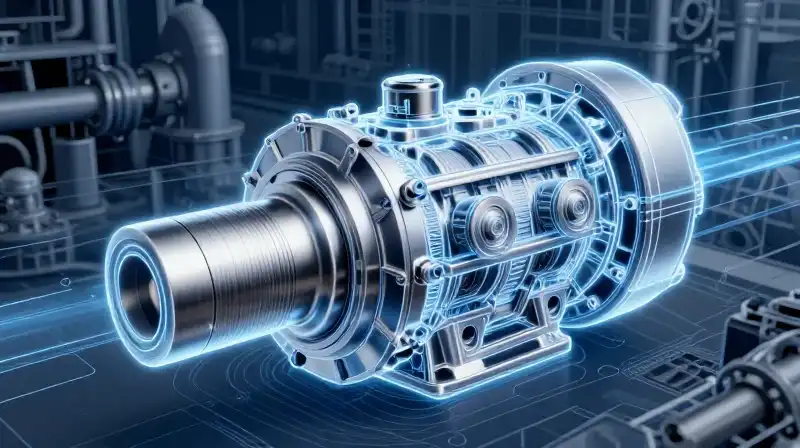
The torque converter is the crucial component linking the engine to the transmission in an automatic vehicle. In its standard operating state, it functions as a fluid coupling, allowing the engine and wheels to rotate at different speeds, which is why transmissions can adjust gearing seamlessly. However, this fluid-based transfer inherently involves “slip”—a loss of energy due to friction within the viscous fluid. Torque converter lockup is the mechanical solution to this inefficiency. By engaging a clutch inside the converter, lockup establishes a direct, 1:1 mechanical connection between the engine output and the transmission input. This transition from fluid slip to solid, direct drive serves to eliminate parasitic losses, dramatically improving performance, reducing transmission heat, and optimizing fuel economy.
The Mechanics of Engagement
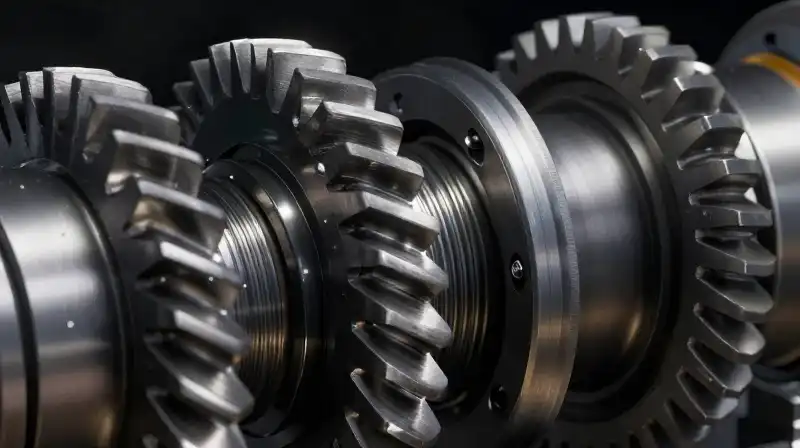
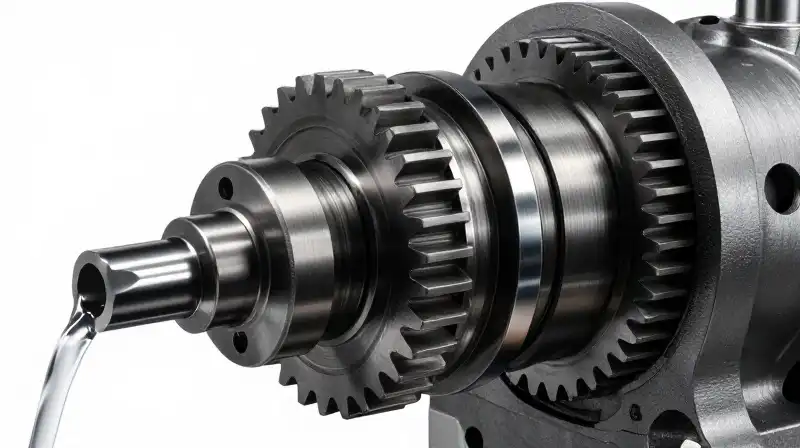
To understand how the lockup works, one must first look at the typical operation of the fluid coupling versus the mechanical link. During standard driving, the turbine (connected to the transmission) spins freely within the converter, drawing energy from the impeller (connected to the engine). When the lockup mechanism engages, it activates a clutch assembly, which physically locks the internal components together. This effectively stops the “slippage” between the impeller and the turbine, forcing them to rotate at the exact same speed. The engagement is managed by a hydraulic control system. Within the transmission housing, a solenoid receives a signal (usually from the transmission control module) and directs pressurized transmission fluid. This pressure pushes the internal clutch plates against the converter housing, initiating the lockup. In modern transmissions, this engagement is controlled digitally, often occurring automatically during steady highway cruising when low slip is desired.
Why Torque Converter Lockup Matters
The primary drivers for designing and utilizing a lockup torque converter revolve around efficiency and load management. Unlike the smooth, variable power transfer of a standard fluid coupling, the locked state provides two critical performance advantages:
- Efficiency and Fuel Economy: By eliminating the energy wasted as friction and heat from the fluid coupling, the engine expends less energy to maintain cruising speed.
- Torque Delivery: The solid connection provides direct transmission of power, which is particularly beneficial for heavy towing or powerful acceleration, allowing the system to deliver maximum torque.
- Reduced Heat Generation: High-speed fluid coupling generates significant heat. The lockup mechanism stops this friction, keeping the transmission fluid cooler and minimizing internal stress on components.
- Engine Braking: Because the drive is fixed, the torque converter can be used to help slow the vehicle (engine braking) without the need for immediate reliance on friction brakes.
Factory vs. On-Demand Lockup Switches
The method of activating lockup varies depending on whether the system is standard factory equipment or an aftermarket enhancement.
Automatic Lockup (Factory)
In most modern vehicles, the lockup is automatic. The transmission control module monitors vehicle speed and operational mode to activate the lockup clutch at the optimal time (typically in higher gears). This ensures the system is operating within the parameters designed to maximize efficiency for daily driving.
On-Demand Lockup (Aftermarket)
Performance enthusiasts often install aftermarket switches to enable on-demand lockup. These switches bypass the automated module, allowing the driver to manually activate the mechanical lockup at any time. This is useful in drag racing or aggressive driving scenarios where a constant, rigid connection is needed for maximum grip and immediate torque delivery, regardless of the vehicle’s current gearing.
Torque Converter Lockup Symptoms and Troubleshooting
Understanding the symptoms is key to diagnosing whether your lockup system is performing correctly or if there is a component failure.
Signs of Proper Lockup
Proper function is often characterized by a noticeable shift in engine sound during cruising. When the lockup engages, the transmission components stabilize, and the engine RPM should settle to a steady, lower level, often feeling like the vehicle has switched to an “overdrive” state. This indicates that the slip has been minimized and the drivetrain is running efficiently.
Potential Symptoms of Failure
| Issue | Possible Cause | What it Feels Like |
|---|---|---|
| High Fuel Consumption | Failure to engage or prolonged slippage | The engine feels like it is constantly struggling to maintain speed. |
| Excessive Heat/Smell | Fluid coupling operating too long | Transmission fluid may feel hot to the touch; burnt smell may be present. |
| Shift Erratic Behavior | Clutch sticking or failing to disengage | The transmission may fail to shift correctly or stall at deceleration. |
| Performance Drop | General converter/lockup issues | Noticeable lack of engagement or torque loss during acceleration. |
Limitations and Operational Considerations
While the benefits of torque converter lockup are significant, especially for fuel efficiency, it introduces several physical trade-offs. Since the lockup creates a rigid 1:1 mechanical link, it results in significantly increased strain on the entire drivetrain.
- Increased Stress: Because all rotational force is transmitted rigidly, the engine, transmission, driveshaft, and tires must handle increased strain and rotational forces.
- Mechanical Wear: The constant pressure and rotational forces within the lockup clutch assembly contribute to wear and require regular transmission maintenance.
- Environmental Factors: Extreme temperatures (either very hot or very cold) can sometimes prevent the internal hydraulic pressure from properly actuating the lockup mechanism.
Conclusion: Choosing Lockup Wisely
Torque converter lockup is a critical technological advancement in modern automatic transmissions, serving to optimize the power transfer process. Whether activated automatically by the factory or manually via an aftermarket switch, its core function remains the same: converting a high-efficiency fluid coupling into a direct mechanical link to eliminate parasitic losses. While the lockup significantly reduces internal heat and improves fuel economy, it is essential to recognize that this efficiency comes at the cost of increased rotational strain on the drivetrain. For daily drivers, factory lockup provides the perfect balance of smoothness and efficiency. For performance drivers, using a dedicated on-demand switch allows for maximizing torque, provided the associated drivetrain components are robust enough to handle the sustained, rigid loads.
Frequently Asked Questions
What are the symptoms of a locked torque converter?
Proper function is characterized by a noticeable shift in engine sound during cruising, as the engine RPM settles to a steady, lower level. Potential signs of failure, however, include high fuel consumption, excessive heat or a burnt smell, erratic shift behavior, or a lack of engagement or torque loss during acceleration.
Related Articles