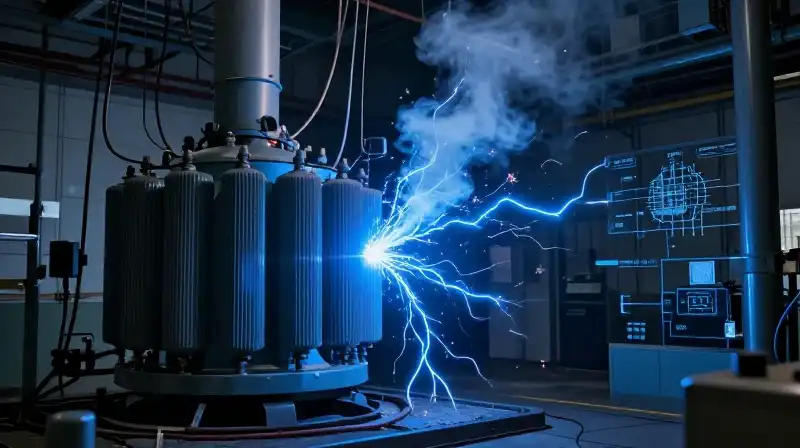

What Happens When a Transformer Blow? Causes and Consequences


Introduction
When a transformer fails, the result is usually a sudden loss of power, often accompanied by a loud, alarming sound. For many observers, this is a spectacular and intimidating event. However, understanding a transformer blow requires looking past the noise and heat to the underlying physics and engineering. A transformer failure is not a simple electrical short in a domestic appliance; it is typically a catastrophic incident involving the breakdown of a highly specialized insulating medium (the oil) within a high-voltage apparatus.
If a transformer “blow,” it means its protective mechanisms have failed or were overwhelmed, leading to a rapid, high-energy release of internal faults. Before panic sets in, it is crucial to distinguish between a protective fuse blowing—a manageable system safeguard—and a true, high-energy internal explosion. A true failure is a complex chain of events involving excessive internal heat, voltage surges, or moisture damage that ultimately culminates in a breakdown of insulation.
The Physics of a Transformer Blow: What Actually Happens
To understand a transformer blow, one must first look at its internal health. Industrial and utility transformers rely on specialized insulating oils for heat dissipation and electrical isolation. These oils act as the dielectric medium, preventing electrical current from jumping across internal windings, especially between the high-voltage and low-voltage sides.
When a transformer begins to fail, the following mechanisms typically initiate the catastrophic event:
- Dielectric Breakdown: This is the critical moment. The insulating oil is compromised—usually by moisture, foreign particles, or excessive heat. Once the oil’s insulating properties fail, a high-energy spark (dielectric breakdown) can jump between conductors, effectively creating a powerful, localized arc.
- Winding Short Circuit: The arc quickly transitions into an intense short circuit across the copper coil windings. This causes instantaneous, immense heat generation.
- Thermal Runaway and Explosion: The combination of the short circuit and extreme heat causes the internal oil to vaporize rapidly. This rapid vaporization, combined with the arcing electrical energy, leads to the sudden, forceful expulsion of material—the loud “bang” or explosion.
Common Triggers: Internal vs. External Causes
A transformer doesn’t simply fail on its own; it is usually stressed by a specific cause. These can be categorized into internal component degradation or external environmental stressors.
Internal System Failures
These faults occur within the unit and are often gradual until they reach a critical point. Expert diagnosis often involves sophisticated analysis of the insulating oil for dissolved gases like hydrogen and acetylene, which are byproducts of internal electrical stress.
Primary internal causes include:
- Overloading: Exceeding the transformer’s rated capacity is perhaps the most common cause. Constant overload generates excessive heat, stressing the winding insulation and core, accelerating aging.
- Winding Defects: Over time, insulation can degrade due to heat or age, creating microscopic flaws that allow small arcs to begin.
- Internal Arcing: Sudden surges (such as those caused by lightning strikes or internal wiring faults) can create intense, momentary voltage spikes that permanently damage windings.
External Environmental Stressors
Sometimes, the cause is outside the transformer itself. These external factors can trigger the failure of an otherwise sound unit.
- Environmental Extremes: Sustained high ambient temperatures can push a transformer beyond its thermal limits. Conversely, flooding or significant moisture ingress can contaminate the oil, triggering dielectric failure.
- Line Arcing: External events, such as severe weather or contact with debris, can cause intense electrical arcs on the utility lines, resulting in a sudden, massive surge into the transformer.
- Component Fatigue: Vibrations from nearby heavy machinery or structural shifts can sometimes compromise the integrity of the physical components.
What to Look For: Warning Signs and Symptoms
In the moments leading up to a spectacular failure, or immediately following one, certain sensory signs can indicate the nature of the incident. Recognizing these signs can help in assessing the severity of the situation.
Sensory Indicators:
- Audible Signs: Before a full blow, a transformer may exhibit crackling, hissing, or a distinct humming sound that changes pitch. The “bang” itself is a rapid mechanical and electrical event.
- Visual Signs: Look for smoke, visible arcing (sparks), or a dramatic, flickering bright light.
- Odor: A sharp, acrid smell of ozone or burning oil is a strong indication of electrical stress and insulation failure.
The immediate consequence of a major failure is usually an intense, widespread power loss (blackout) in the affected area, along with potentially hazardous electricity and fire risk.
Consequences and Hazards After a Transformer Blow
While the event itself may be terrifying, the long-term consequences must be managed carefully. A blown transformer presents multiple layers of risk to public safety and property.
Immediate Safety Hazards
The incident site becomes a high-risk zone. The utility company must immediately cordone off the area because:
- High Live Currents: Transformers carry extremely high-voltage currents, posing a severe risk of electrocution even after the event.
- Fire and Explosion: The combination of boiling oil, burning components, and surrounding debris creates a significant fire hazard.
- Secondary Device Damage: The powerful electrical surge associated with the failure can fry connected appliances, particularly sensitive electronic equipment or lithium-ion battery systems.
It is critical never to approach the site or attempt to interfere with utility crews.
Addressing Your Concerns: How Long to Fix a Blown Transformer?
When people search for “How long to fix” a transformer, they are looking for a restoration timeline. The repair process is not standardized; it varies widely based on the circumstances of the failure.
Factors Determining Repair Time:
- Severity of Damage: A minor protective fuse blowing might be addressed quickly. A catastrophic internal short circuit requiring the replacement of the entire unit requires more extensive logistics.
- Availability of Components: If the utility has replacement transformers in stock nearby, restoration is faster. If a specialized unit must be manufactured or transported, the delay is substantial.
- Accessibility and Logistics: The geographical location of the transformer—whether it is in a remote industrial park or a busy urban residential street—influences the speed at which specialized crews can arrive and safely remove the failed unit.
While minor resets might occur within hours, complex repairs or complete unit replacement can sometimes take several days or even weeks, depending on the grid’s overall capacity and parts availability.
Preventative Maintenance: How to Avoid Transformer Failure
For both utility companies and large industrial users, prevention is the most effective strategy. Transformer systems require proactive monitoring to detect faults before they reach a critical, catastrophic stage.
Professional Preventative Measures Include:
- Routine Inspection: Scheduled physical inspections allow technicians to look for signs of external damage, overheating, or inadequate cooling.
- Dissolved Gas Analysis (DGA): Advanced laboratories can periodically sample the insulating oil. By identifying specific gases (like acetylene or ethane), experts can trend internal electrical faults long before a catastrophic failure occurs.
- Automated Monitoring: Modern smart transformers can be equipped with sensors to monitor oil temperature, current draw, and partial discharge in real-time.
- Physical and Electrical Separation: Installing automatic pressure-releasing systems or physical barriers can limit the damaging effects of an eventual explosion, protecting nearby infrastructure.
Summary of Safety and Action Criteria
When faced with a suspected transformer failure, the primary objective must always be safety and accurate assessment. Here is a synthesized list of criteria to help determine the necessary action:
Action Checklist:
- Symptom Assessment: Are you seeing crackling, ozone smell, or sudden power loss? (Indicates electrical stress or failure.)
- Safety Priority: Do not approach the area. Treat any suspected blow as a high-voltage hazard.
- Distinction: A sudden, total power loss *without* explosive signs may indicate a tripped protective circuit (like a fuse). A loud bang and physical debris indicates a catastrophic failure.
- Restoration Expectation: Be prepared for a variable timeline. Communicate with local utility providers; their assessment will define the severity and thus the repair duration.
Transformers are indispensable pillars of the modern power grid. By understanding the subtle warning signs and the physics of their failure, both utility workers and the public can better approach these critical incidents, ensuring rapid and safe restoration of power.
How to Prevent Transformer Failure
Routine Inspection
Perform scheduled physical inspections to look for signs of external damage, overheating, or inadequate cooling on the transformer unit.
Dissolved Gas Analysis (DGA)
Periodically sample the insulating oil for advanced laboratory analysis to identify specific gases (like acetylene or ethane) and trend internal electrical faults before they become critical.
Automated Monitoring
Equip modern transformers with sensors to monitor key parameters such as oil temperature, current draw, and partial discharge in real-time.
Physical and Electrical Separation
Install automatic pressure-releasing systems or physical barriers around the transformer to limit the damaging effects of an eventual explosion on nearby infrastructure.
Related Articles