
Button Up vs Button Down: Comparing Formal vs Casual Shirt Styles

Introduction
While both button-up shirts and button-down shirts feature a full vertical placket of buttons down the front, the primary distinction lies in the construction and fastening of the collar itself. Understanding the subtle differences between a “button up” style and a “button down” style is key to selecting the right shirt for any given social or professional occasion.
In short, the difference is structural: a button-down shirt has small buttons sewn onto the collar points to secure them to the shirt body, ensuring the collar remains stable. A standard button-up shirt, by contrast, has a free-sitting collar that is styled to be worn closed or open without any fastening buttons.
While both garments are part of the classic collared shirt category, the presence or absence of those collar buttons fundamentally shifts the intended formality, fit, and overall aesthetic of the garment.
Structural Difference: Button Down vs Button Up
The terminology, while often conflated, refers to a specific functional element of the collar. The distinction is not merely one of formality, but one of textile engineering.
Button-Down Shirts: Originally developed as sportswear (like polo shirts) to prevent the collar from shifting during activity, these shirts utilize small buttons (often pearl or plastic) to attach the collar tips directly to the front of the shirt. This creates a more relaxed, “structured casual” look. The collar is designed to sit flat and firmly against the chest.
Button-Up Shirts: These utilize a standard collar design where the points of the collar are free to sit against the shirt. They are designed to be worn either completely fastened or open, allowing the collar to move more naturally. This is considered the traditional construction for a standard dress shirt, offering a more tailored and formal appearance.
| Feature | Button-Down Shirt | Button-Up Shirt |
|---|---|---|
| Collar Fastening | Collar points are secured to the shirt with small buttons. | Collar points are free-floating and unfastened. |
| Intended Vibe | Casual, relaxed, sporty. | Formal, classic, professional. |
| Aesthetic | Casual and approachable. | Polished and traditional. |
| Ideal Setting | Business casual, social gatherings. | Formal business, corporate events, weddings. |
Navigating Formality: When to Choose Each Style
The decision of whether a “button down or button up” shirt is appropriate depends entirely on the dress code of the event. In contemporary fashion, these shirts have both adapted to become highly versatile, but their traditional roles still dictate usage.
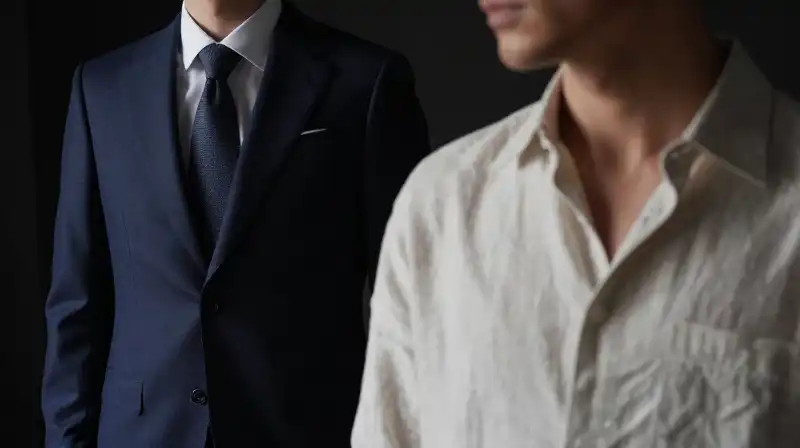
For Formal and Corporate Settings: The button-up shirt is the safer and more standard choice. When attending corporate functions, formal meetings, or traditional office environments, the button-up shirt aligns with conventional expectations for professional attire. Its cleaner, more streamlined aesthetic often pairs better with tailored suits and neckties.
For Casual and Social Environments: The button-down shirt excels in smart-casual, leisurewear, and weekend attire. It conveys an effortless, approachable look, making it ideal for lunch dates, weekend outings, or less formal gatherings. Pairing them with patterns like stripes or checks enhances this relaxed versatility.
Hidden Variations: If you want the functionality and stability of a collar in a button-down style without the visible buttons, consider a “hidden button-down collar.” These offer the secure fit but provide a sleeker, less noticeable aesthetic.
Beyond Structure: Fit, Fabric, and Aesthetics
The style choice dictates much of the shirt’s inherent design, specifically concerning how it is cut and what fabrics are traditionally used.
Tailoring and Fit: Button-up shirts are typically designed with a more tailored, slimmer construction. They are intended to be worn under structured jackets and are often crafted from premium, crisp fabrics like poplin or fine linen, emphasizing a polished silhouette.
Button-down shirts, conversely, are generally designed for a more relaxed fit. They utilize more breathable, comfortable materials such as oxford cloth or flannel, with extra room in the body to accommodate ease of movement.
Styling Rules: A practical rule of thumb in styling is that a necktie traditionally pairs with the more formal button-up shirt. While button-down shirts can be worn without a tie, the button-up style is the standard foundation for formal business attire.
Addressing Common Style Queries
What do Americans call a button-up shirt? Is it buttoned down or buttoned up?
There is often regional or personal preference in how these terms are used, leading to confusion. However, when referring to the shirt where the collar points are secured by small buttons, it is formally called a button-down shirt. Conversely, the standard collared shirt without such fastenings is called a button-up shirt.
When searching or speaking, the clearest method is to describe the feature: “a shirt with a collar secured by buttons” or “a standard collar shirt.” Both terms are widely used, but the structural definition remains the most accurate reference point.
Practical Decision Criteria and Synthesis
When deciding between the two styles, evaluate the requirement for formality first. This is the most efficient way to eliminate the incorrect choice.
- High Formality (Suit, Corporate Event): Opt for a button-up shirt. Prioritize tailored fit and high-quality, smooth fabrics.
- Mid/Casual Formality (Business Casual, Dinner): Both styles work, but choose based on desired approach—button-up for a sleek look, or button-down for a relaxed comfort.
- Low Formality (Weekend Leisure, Casual Gatherings): Choose a button-down shirt. They are designed for breathable comfort and a relaxed fit.
Ultimately, while button-up shirts are generally seen as more dressy and associated with classic professional settings, button-down shirts provide a crucial layer of relaxed versatility. To ensure a polished appearance regardless of the collar style you choose, always prioritize a fit that is tailored to your frame and high-quality fabrics over trying to adhere to a rigid style convention.
Frequently Asked Questions
What do Americans call a button-up shirt?
A button-up shirt is defined as a standard collared shirt featuring a free-sitting collar that is unfastened by small buttons. This construction is traditionally considered the standard dress shirt for a more tailored and formal appearance.
Is it buttoned down or buttoned up?
A button-down shirt is the term used for a shirt where the collar points are secured to the shirt body with small buttons. Conversely, a button-up shirt refers to the standard collared shirt that has a free-floating, unfastened collar.
How to Choose Between Button-Up and Button-Down Shirts
Evaluate Formality
First, determine the required level of formality for the event. This evaluation is the most efficient way to narrow down your choice.
High Formality Selection
If the setting is highly formal (e.g., corporate functions, suit-and-tie events), opt for a button-up shirt. Prioritize a tailored fit and high-quality, smooth fabrics.
Mid/Casual Formality Selection
For mid-level formality (e.g., business casual, dinners), both styles may work. Choose a button-up for a sleek look, or a button-down for relaxed comfort.
Low Formality Selection
If the occasion is low formality (e.g., weekend leisure, casual gatherings), choose a button-down shirt due to its design for breathable comfort and a relaxed fit.
Ensure Quality and Fit
Regardless of the style selected, always prioritize a fit that is tailored to your frame and use high-quality fabrics to maintain a polished appearance.
Related Articles