
Differential Lock Explained: Function and Off-Road Benefits

Introduction
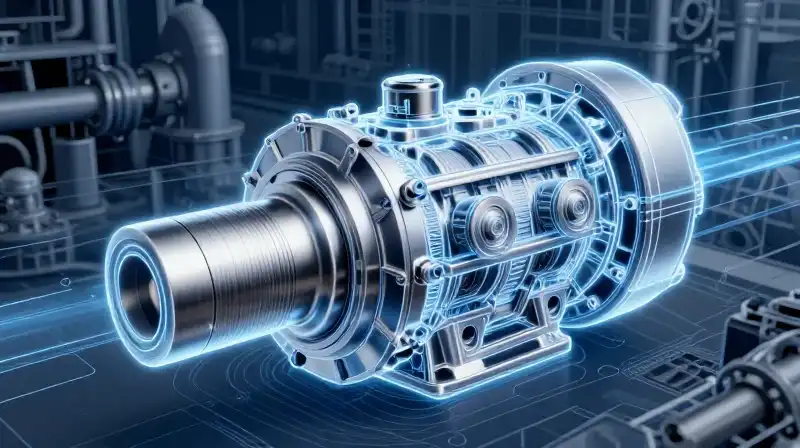
A standard vehicle differential is designed to allow wheels on the same axle to spin at different speeds—a necessity when one wheel is navigating an obstacle while the other is driving on level ground. However, in extreme off-road situations, this flexibility becomes a hindrance. An open differential sends power to whichever wheel it detects has the most grip, often resulting in a low-traction wheel spinning uselessly, wasting momentum, and failing to pull the vehicle forward. A differential lock fundamentally changes this operation. It is a purely mechanical feature that physically forces both wheels on an axle to rotate at the exact same speed, effectively making them function as if they were connected to a single shaft. The primary purpose of this system is to eliminate speed differences between wheels, ensuring rotational force is distributed to both, regardless of the available traction on each surface.
How Differential Locks Overcome Traction Loss
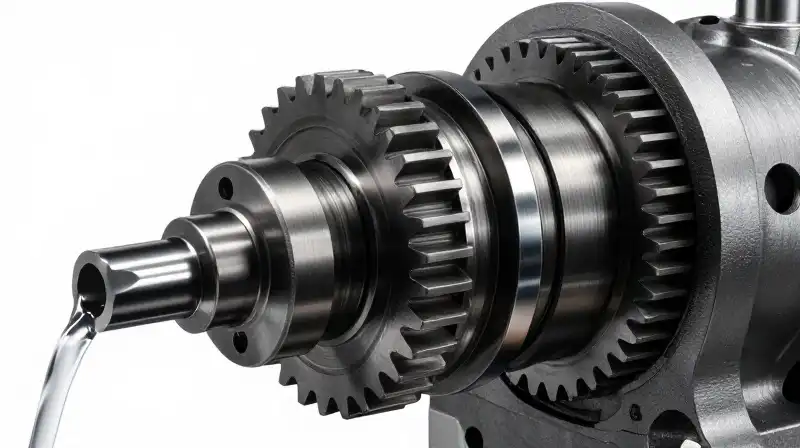
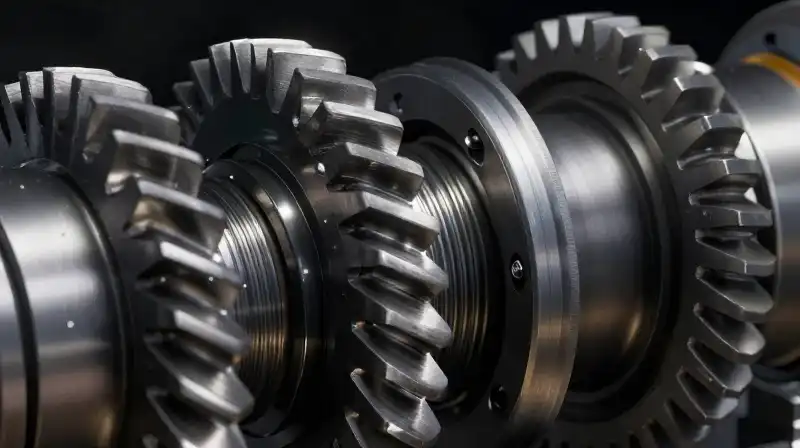
The power of a locking differential lies in its ability to overcome the limitations of the open setup. When a locking mechanism is engaged, it bypasses the standard differential internal components, locking the axle ends into a rigid connection. This mechanical intervention achieves a guaranteed torque transfer.
In conditions like deep mud, thick snow, or severe rock crawling, one wheel may lose all grip while the other is still finding purchase. An open system would prioritize the wheel that *could* move, sending all torque to it until it spun itself out. The differential lock prevents this by forcing the spinning wheel to rotate at the same speed as the gripping wheel. This action ensures that power is consistently delivered to the wheel that has a chance to move the vehicle. By eliminating the spin-stop-spin cycle common in traction control systems, the locked differential allows the driver to maintain continuous momentum through challenging terrain.
When to Engage a Differential Lock (Off-Road Use Cases)
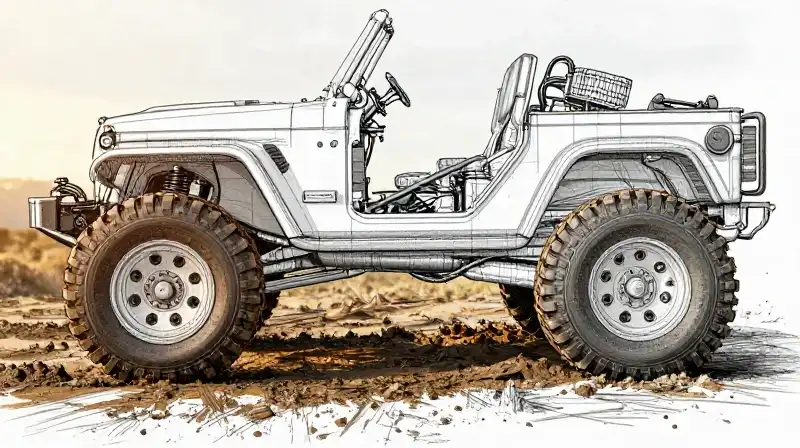
Because a locking differential is designed to ensure traction, it is best utilized when the vehicle is struggling with uneven or loose surfaces. These are the primary scenarios where a driver might need to engage a diff lock on a 4x4 or utility truck:
- Steep Climbing or Descending: When both front or rear wheels are on surfaces of radically different slopes, a lock ensures both contribute to the climb.
- Extreme Low Traction: Navigating deep ruts, heavy mud, or loose scree where wheel spin is inevitable.
- Trapped Momentum: When the vehicle is stuck and needs the immediate, mechanical power transfer to break free without relying on electronic algorithms.
Lock vs. Electronic Traction Systems
Modern vehicles often rely on All-Wheel Drive (AWD) systems, which use sophisticated sensors and electronic control units (ECUs) to dynamically distribute torque. Understanding the difference between this and a traditional locking differential is crucial for knowing when to use the lock.
| Feature | Traditional Differential Lock | Modern AWD/TCS |
|---|---|---|
| Mechanism | Purely mechanical (physical engagement) | Electronic (sensors and software) |
| Torque Transfer | Instant and absolute (forces equal rotation) | Gradual and dynamic (optimized distribution) |
| Primary Use | Extreme, low-traction situations | General road performance and moderate off-roading |
| Impact on Handling | Severely compromises steering and handling | Designed to maintain road-worthy dynamics |
While modern systems are convenient and manage torque distribution smoothly, they are inherently reactive and often contain a degree of delay. A locking differential provides an immediate, absolute solution, making it the superior choice when immediate, unadulterated power is needed from a trapped axle.
Types of Locking Mechanisms and Their Impacts
Locking differentials are deployed through various systems, each with different operational characteristics and compromises:
- Automatic Lockers: These systems monitor torque and speed differential between wheels. When the conditions indicate a slip (e.g., during a severe slide), the system automatically engages the lock. This provides continuous power delivery without driver intervention.
- Selectable (Manual) Lockers: These require the driver to intentionally engage the lock using levers, cables, or electronic switches. This is typically reserved for situations where the driver needs the highest possible confidence in power transfer, such as serious rock crawling.
- Full Spools: This is an extreme locking method that physically connects the two axles. It provides the most robust and absolute lock but completely sacrifices the vehicle’s ability to steer or corner normally.
Regardless of the engagement method, a significant drawback of using a locked differential is the increased load placed on the drivetrain components and the notable impact on driving dynamics. Locking the differential causes severe understeer and increases steering effort, which can be a challenge even when off-road.
Practical Warning: Why Locking Differentials Should Be Avoided on Pavement
The capabilities of a locking differential are tailored for extreme, off-road environments. Using one on regular asphalt or paved roads is strongly discouraged for multiple reasons related to safety and vehicle integrity:
- Compromised Handling: A locked differential severely limits the ability of the tires to pivot and navigate turns. This can make the vehicle dangerous and uncontrollable at typical road speeds.
- Drivetrain Stress: Locking the axle under normal road torque places unnecessary and excessive stress on seals, CV joints, and other internal components not designed for a 100% fixed rotational state.
- Safety on Slick Surfaces: In scenarios such as ice or wet manholes, an open differential allows for independent tire rotation, which is often the safest way to utilize limited available grip. A locked differential prevents this necessary independent movement, potentially leading to loss of control.
Summary of Application and Decision Making
A differential lock is a powerful, mechanical tool designed specifically to solve the problem of lost traction by forcing maximum torque transfer. It is the ultimate solution for a vehicle that is physically stuck or operating in conditions that render one wheel incapable of contributing to forward motion.
When deciding whether to engage a differential lock, the driving scenario must dictate the choice. If you are performing routine driving or maneuvering on standard surfaces, the lock should remain disengaged to maintain vehicle dynamics and drivetrain health. If you are in extreme, low-traction terrain where maintaining forward momentum is essential, engaging the differential lock provides the instantaneous, absolute grip advantage needed to move through obstacles that traditional traction control systems cannot overcome.
How to decide whether to engage a differential lock
Evaluate the terrain
Determine if the vehicle is in a standard driving environment or navigating extreme, low-traction off-road conditions.
Identify low traction needs
If the vehicle is struggling with deep mud, thick snow, severe rock crawling, or is trapped with one wheel losing all grip, proceed to engage the differential lock.
Engage the lock
If required by the low-traction conditions, intentionally engage the lock using the appropriate mechanism (manual, automatic, or full spool) to force both wheels to rotate at the same speed.
Maintain lock disengagement on pavement
If driving on standard asphalt, concrete, or slick road surfaces, ensure the differential lock remains disengaged to maintain vehicle dynamics and prevent excessive stress on drivetrain components.
Related Articles