
Electric Cars Dont Need Engine Oil: Your Guide to EV Maintenance

Introduction
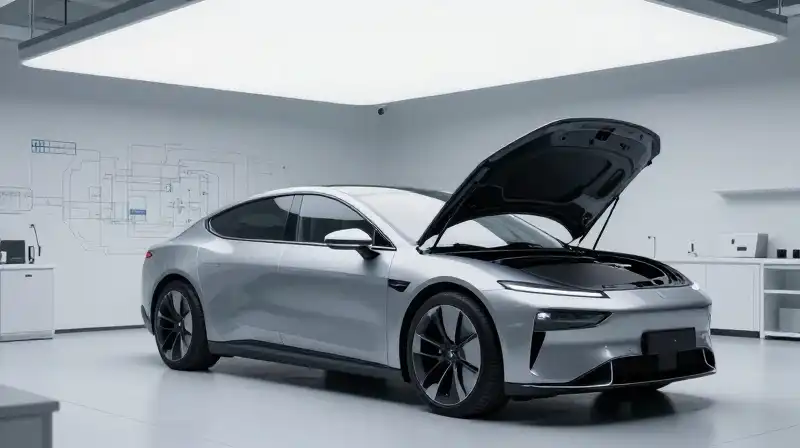
The question of whether electric vehicles (EVs) need oil changes is one of the most common inquiries from new car owners, yet the answer requires a nuanced distinction. Simply put, traditional engine oil—the lifeblood of Internal Combustion Engine (ICE) vehicles—is not required for a full electric car. Because EVs lack pistons, combustion cycles, and the immense heat generated by burning fuel, they do not have the mechanical components that necessitate frequent oil maintenance. This fundamental design shift changes the maintenance profile of the vehicle entirely. While EVs eliminate the “oil change” task, they are not maintenance-free. The focus shifts from managing engine friction to ensuring the longevity and optimal performance of specialized components like the battery and cooling system.
The Fundamental Difference: Engine Oil vs. EV Lubricants
When consumers ask “Do electric cars have oil?” they are generally referring to the oil used to lubricate internal combustion engines. EVs do not have this specific type of oil. However, some confusion arises because an EV drivetrain still contains moving parts. The electric motor itself, along with its drive units, axles, and differentials, does require lubrication to function. This lubrication is handled by specialized EV lubricants, often falling under the categories of gear oil or transmission fluid. These lubricants serve a function analogous to engine oil by reducing friction, but they operate in a vastly different environment. Unlike ICE oil, which must contend with high temperatures, soot, and chemical residues from fuel combustion, EV lubricants are subjected to much lower operating temperatures. This dramatically extends their service life and minimizes the need for constant topping up or replacement.
Why EVs Don’t Require Traditional Engine Oil
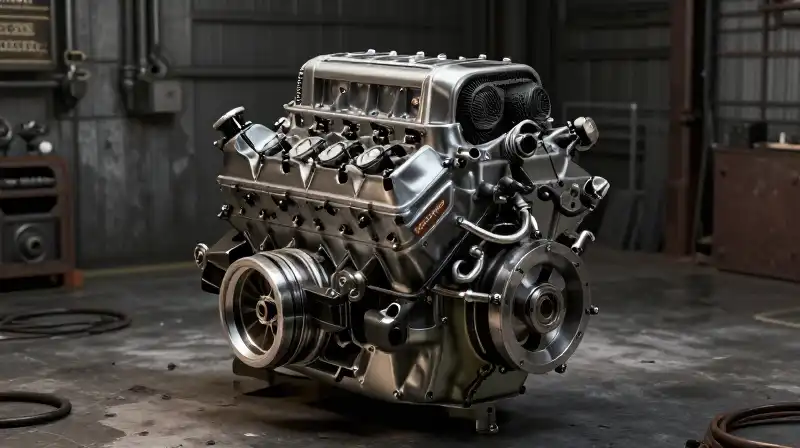
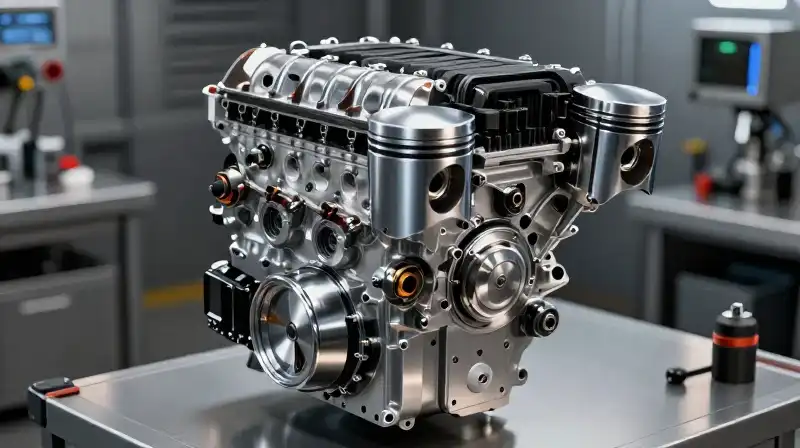
The core reason for the absence of traditional engine oil lies in the powertrain itself. ICE engines rely on a complex mechanical process where fuel is mixed with air and ignited within cylinders. This combustion process generates extreme heat and creates internal residues that quickly contaminate lubrication. Traditional engine oil is required to manage the immense friction between the pistons, rings, and cylinder walls under these harsh conditions. An EV, conversely, uses an electric motor. This motor is a vastly simplified mechanism compared to an ICE, involving fewer parts and operating without the extreme thermal stress of combustion. Because there are no moving piston assemblies or high-heat combustion chambers, the need for conventional engine oil is eliminated. The electric motor operates at significantly lower thermal peaks, allowing components to remain in a much cleaner and cooler environment.
Essential Fluids: What Electric Cars Do Need
While the routine oil change is gone, maintenance tasks in an EV pivot toward managing other critical fluids and systems. To ensure optimal performance, regular checks are required for:
- Battery Coolant: This is arguably the most crucial fluid in an EV. It is part of the thermoregulation system, designed to manage the temperature of the lithium-ion battery and the power inverter. Proper cooling is vital for battery longevity and prevents thermal runaway.
- Brake Fluid: Though regenerative braking handles the majority of deceleration in an EV, the physical brake pads and hydraulic system still require dedicated brake fluid. Regular inspection and replacement (typically every 25,000 to 40,000 kilometers) prevent system degradation.
- Transmission Fluid: Depending on the specific model and drive unit design, an EV may utilize a specialized gear oil or transmission fluid. This is particularly true for vehicles with fixed-gear ratios or multi-speed gearboxes that connect the motor to the wheels. Always verify this requirement in the owner’s manual.
- Windshield Washer Fluid: This is a standard requirement for nearly all vehicles, necessary for visibility and managing road grime.
Maintenance Nuances: Hybrids and Lubrication
The rules change when discussing hybrid vehicles. Hybrids, by definition, contain an Internal Combustion Engine (ICE) alongside electric components. Because they possess a traditional engine, hybrid vehicles require the same periodic engine oil changes, filter replacements, and coolant flushes as conventional gasoline cars. The hybrid drivetrain acts as a blend of two distinct mechanical systems, meaning the maintenance schedule must account for both the ICE components (requiring oil) and the specialized EV components (requiring cooling fluids). The key takeaway is that the absence of oil is specific to the *full* electric powertrain.
Beyond the Basics: Long-Term EV Care and Battery Health
Maintenance in an EV extends beyond simple fluid checks. Long-term care focuses heavily on protecting the major, expensive components.
Coolant Service Cycles: The battery coolant system requires periodic deep service—draining, cleaning, and refilling. This major service is typically recommended around the seven-year mark to maintain the integrity of the thermoregulation system. In some advanced models, this may involve checking the integrity of critical components like the power inverter itself.
Software and Electronics: Modern EV care involves managing the vehicle’s complex software. Over-the-air (OTA) updates are frequent and are essential for optimizing battery management, improving efficiency, and ensuring the vehicle operates as designed. Managing this software is a primary form of long-term vehicle care.
Battery Longevity: While the system is designed for extremely long service, the EV battery itself is a major component subject to degradation. Research suggests a long-term use cycle might see an estimated capacity reduction after hundreds of thousands of miles, typically spanning 12 years, depending on usage patterns and driving conditions.
Maintenance Checklist: A Practical Guide
Understanding EV maintenance requires shifting your focus from fluid replacement to system health. Use this checklist to ensure your vehicle is maintained properly:
- Inspect Coolant Levels: Routinely check the thermoregulation system levels (as per the manual) to prevent battery overheating.
- Monitor Brake Health: Inspect the brake pads and system fluid regularly, noting the diminished wear compared to ICE vehicles due to regenerative braking.
- Verify Fluid-Specific Needs: Consult your vehicle’s owner’s manual to determine if your specific EV requires periodic transmission fluid changes or specialized gear oil.
- Regular Software Updates: Ensure the vehicle’s software is updated to maintain peak efficiency and safety.
- Scheduled Deep Services: Plan for the comprehensive coolant system flush and battery system checks at intervals matching the vehicle’s warranty period or specified service intervals (e.g., around seven years).
In conclusion, while electric vehicles do not require the routine engine oil changes necessary for traditional cars, they are sophisticated machines that demand diligent maintenance of specialized fluids. The maintenance focus moves from lubrication to thermoregulation and component preservation.
Frequently Asked Questions
Do EV vehicles still need oil changes?
Traditional engine oil is not required for a full electric car because EVs lack the pistons and combustion cycles that necessitate frequent conventional oil maintenance. However, some parts of the EV drivetrain still require lubrication using specialized EV lubricants, such as gear oil or transmission fluid.
What happens to EV after 8 years?
Major deep servicing of the battery coolant system is typically recommended around the seven-year mark. While the system is designed for an extremely long service, long-term battery capacity reduction is generally estimated to span 12 years, depending on usage patterns.
Do full electric cars have oil?
Full electric cars do not require traditional engine oil because they lack the components of an Internal Combustion Engine. However, their drivetrain still contains moving parts, such as axles and differentials, which require specialized lubricants like gear oil or transmission fluid to function.
Maintenance Checklist for Electric Vehicles
Inspect Coolant Levels
Routinely check the thermoregulation system levels (as per the manual) to prevent battery overheating.
Monitor Brake Health
Inspect the brake pads and system fluid regularly, noting the diminished wear compared to ICE vehicles due to regenerative braking.
Verify Fluid-Specific Needs
Consult your vehicle's owner's manual to determine if your specific EV requires periodic transmission fluid changes or specialized gear oil.
Regular Software Updates
Ensure the vehicle’s software is updated to maintain peak efficiency and safety.
Scheduled Deep Services
Plan for the comprehensive coolant system flush and battery system checks at intervals matching the vehicle’s warranty period or specified service intervals (e.g., around seven years).
Related Articles