How Shampoo Works: Understanding Cleansing and Hair Health

Introduction
Shampoo is fundamentally a specialized detergent designed for hair and scalp hygiene. While its primary function is to cleanse, its action goes deeper than simple rinsing. It is a chemical process that physically and chemically breaks down sebum, environmental pollutants, dead skin cells, and product residue. Understanding what shampoo does—and how it interacts with your hair structure—is crucial because the act of cleansing inherently involves removing natural oils. This removal, while necessary to prevent buildup and greasiness, requires careful management to ensure that the strand remains healthy, moisturized, and structurally sound.
The Detergent Mechanism: How Shampoo Cleans
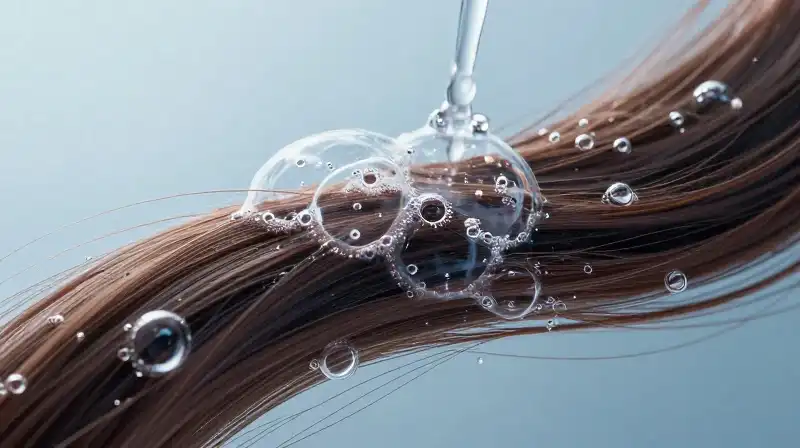
The effectiveness of shampoo lies in its formulation, which typically includes surfactants. Surfactants (surface-active agents) are molecules that have both a hydrophilic (water-loving) and a lipophilic (oil-loving) end. This dual nature allows them to perform the core function of shampoo: emulsifying dirt. When you massage shampoo into the scalp, the surfactants work to penetrate the natural oils (sebum) and environmental debris that coat the hair shaft. The lipophilic portion attracts the oils and dirt, while the hydrophilic portion allows the mixture to be washed away by water. This process lifts, suspends, and removes the contaminants, revealing the hair’s natural texture. Proper cleansing is essential not just for appearance, but for scalp health, as removing buildup prevents clogged pores and potential issues like persistent odor.
The Surfactant Factor: Sulfates vs. Gentle Formulas
The intensity of the cleansing action is dictated largely by the type of surfactants used, particularly the presence of sulfates.
Heavy-Duty Cleansers
Sulfates (such as Sodium Lauryl Sulfate or Sodium Laureth Sulfate) are powerful, high-foaming detergents. They are highly effective at stripping away stubborn oil and buildup, making them ideal for those with very oily scalps or for clarification routines. However, their aggressive nature means they can significantly strip the hair of its essential natural moisture and protective oils, which can lead to dryness, dullness, and potential brittleness over time.
Gentle and Hydrating Formulas
For individuals whose hair tends to be naturally dry, curly, or chemically treated, sulfate-free alternatives are often recommended. These gentler surfactants maintain cleansing effectiveness while minimizing the harsh stripping effect. Choosing the right formula depends entirely on your hair’s specific needs and oil production level, balancing effective removal with the preservation of natural hydration.
Beyond Cleansing: The Role of Conditioning
Shampoo and conditioner work as a sequential pair. While shampoo acts as a powerful cleaner, it often temporarily disrupts the lipid barrier around the hair shaft, which is why hair can feel rough or brittle immediately after rinsing. Conditioner serves as the restorative, lubricating phase of the routine. Conditioners are formulated with emollients and humectants to replenish the moisture that shampoo has removed. They act as a barrier to seal the cut ends, reduce frizz, and provide slip, making detangling effortless. Many high-quality shampoo formulations now include a small conditioning agent to mitigate the stripping effect during the wash, ensuring that the transition from cleansing to nourishment is as seamless as possible.
Optimizing the Routine: Application and Rinsing
The effectiveness and safety of a shampoo routine depend heavily on technique and completion. Errors in application can negate the benefits of the best products.
- Focus on the Scalp: When washing your hair, the primary target should be the scalp. Massaging the scalp allows the surfactant action to work effectively, ensuring dirt and excess oil are loosened from the root. The suds will naturally run down the strands, cleaning them as a secondary effect.
- Complete Rinsing is Vital: Insufficient rinsing is a common mistake. Any residue—whether soap, chemical residue, or conditioner—can weigh hair down, block the cuticles, and lead to buildup, resulting in a dull or flattened appearance. Thorough rinsing is paramount for achieving maximum clarity and texture.
Shampoo and Scalp Health: Preventing Buildup and Dandruff
A healthy scalp is the foundation of healthy hair. Shampoo’s role in maintaining this health is significant. By removing dead skin cells, excess sebum, and product residue, shampoo prevents the creation of an environment where undesirable conditions can flourish. For those concerned about dandruff, shampoos containing specific anti-fungal or clarifying agents can help manage the scalp ecosystem. Regular, proper cleansing helps regulate the sebaceous glands, which encourages the scalp to balance its natural oil production, ultimately helping to prolong the time between washes while maintaining skin clarity.
Addressing Specific Hair Needs and Related Searches
Different hair types respond uniquely to cleansing processes.
| Hair Type/Concern | Primary Goal of Cleansing | Recommendation |
|---|---|---|
| Oily Scalp | Maximum oil removal and sebum balance. | Clarifying or balancing shampoos (may tolerate sulfates). |
| Dry or Damaged Hair | Gentle oil removal while preserving internal hydration. | Sulfate-free, moisturizing formulas. |
| Curly Hair | Cleansing buildup without stripping the natural moisture needed for curl definition. | Low-poo or co-wash methods, gentle cleansers. |
Avoiding Common Shampoo Pitfalls
Even with the best intentions, some washing habits can undermine hair health.
- Temperature Matters: Extremely hot water can be overly aggressive, exacerbating dryness and stripping the hair of its natural moisture. Lukewarm water is generally recommended for effective cleansing without causing heat damage.
- Excessive Frequency: Washing hair too frequently, even with gentle shampoo, can sometimes over-strip the scalp, leading to a reactive overproduction of oil. Finding a balanced schedule is key.
- Color Integrity: For colored hair, many ingredients (especially sulfates) can react with artificial dyes, accelerating color fading. Using color-safe, gentler formulas is a necessary precaution.
Managing Product Interactions and Condition Sensitivity
The balance between cleansing and nourishment requires careful product management. While shampoo is optimized for removal, sometimes it can leave the hair shaft slightly unbalanced, making it more receptive to, or sensitive to, conditioning products. Individuals may notice changes in the texture or condition of their scalp or hair when switching product lines, as different formulations utilize different levels of moisturizing agents and stripping agents. If using conditioner frequently results in dull or heavy hair, it may indicate that the products are too rich or that the hair needs a clarifying cleanse to remove product residue.
Practical Synthesis: Achieving Optimal Balance
Shampoo’s core function is to maintain hygiene and reveal the inherent health of your hair and scalp. It is not simply about washing away dirt; it is about the delicate chemical balance between effective degreasing and the preservation of the hair’s natural integrity. To achieve optimal results, prioritize using a formula that aligns with your hair’s inherent characteristics (oily, dry, colored, curly) and always ensure complete rinsing. By viewing shampoo as the critical, though sometimes aggressive, first step in a dual-product system (shampoo followed by conditioner), you can maximize the benefits of cleansing while minimizing the risk of dryness or damage.
How to Shampoo Your Hair Properly
Focus on the Scalp
When washing your hair, the primary target should be the scalp. Massaging the scalp allows the surfactant action to work effectively, ensuring dirt and excess oil are loosened from the root; the suds will naturally run down the strands, cleaning them as a secondary effect.
Use Appropriate Water Temperature
Lukewarm water is generally recommended for effective cleansing without causing heat damage, as extremely hot water can be overly aggressive and exacerbate dryness.
Ensure Complete Rinsing
Thorough rinsing is paramount. Insufficient rinsing is a common mistake; any residue—whether soap or chemical residue—can weigh hair down, block the cuticles, and lead to buildup.
Related Articles