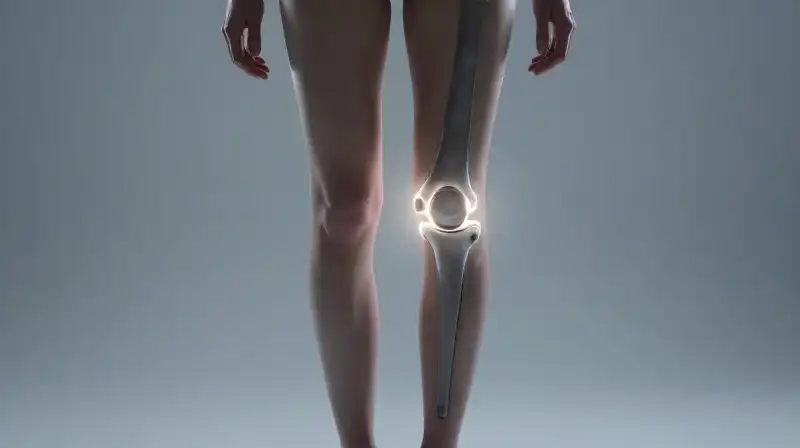
Compression Shirts: How They Boost Circulation and Athletic Performance

Introduction
Compression shirts are designed to be a high-performance foundational layer, strategically applied directly against the skin during athletic activity. While general compression garments are known for applying external pressure to the limbs to manage blood and lymph flow, a compression shirt specifically serves multiple functions: enhancing muscle support, regulating body temperature, and improving overall comfort. The fundamental purpose is to create a second skin that aids in the body’s natural functions—from optimizing oxygen delivery to protecting against environmental stressors.
How Compression Works: Circulation and Pressure
At the physiological level, compression acts by counteracting the body’s natural struggle to move fluids against gravity. This pressure primarily targets the small capillaries and superficial vessels, helping to divert and force blood back toward the heart. This process is key to preventing blood pooling and minimizing swelling, a condition known as edema.
The Mechanism of Fluid Return
When pressure is applied, veins and lymphatic vessels are pressed, effectively assisting the return of blood and lymph fluid. For athletes, this improved circulation can have two main effects:
- Enhanced Oxygen Delivery: Improved blood flow allows muscles to receive a more consistent supply of oxygen.
- Waste Removal: It can assist in the faster removal of metabolic byproducts (like lactate) that accumulate during high-intensity exercise, potentially accelerating recovery.
While traditional medical compression garments often use a “graduated compression” gradient (highest pressure at the ankle, decreasing toward the torso), a standard athletic compression shirt provides a more uniform, supportive pressure designed to stabilize and support the musculature beneath it.
The Role of Compression Shirts in Athletic Performance
A compression shirt is not merely tight clothing; it is a specialized piece of performance gear. Its benefits extend beyond pure circulatory support, addressing the practical needs of an athlete:
Muscle Support and Movement: The snug fit provides a supportive layer that helps prevent the bunching or pinching that occurs when clothing layers move independently, allowing for maximum range of motion.
Temperature Regulation: These shirts are crucial for managing environmental conditions. In hot weather, synthetic blends (like nylon and polyester) wick moisture and facilitate cooling. In cold weather, effective options often feature specialized fabrics or brushed interiors to provide warmth without excessive bulk.
Protection and Comfort: By staying tight to the skin, compression shirts eliminate common issues like chafing, pulling, and discomfort caused by moisture buildup under heavier uniforms or pads. They act as a functional, protective barrier.
Choosing the Right Compression Shirt: Customizing Your Gear
The effectiveness of a compression shirt depends entirely on how it fits your needs, your sport, and the conditions. When selecting a compression shirt, consider these critical factors:
| Selection Criteria | Details and Function |
|---|---|
| Material | Look for high-performance synthetic blends (polyester, nylon, Elastane). These materials are designed to be extremely lightweight, breathable, and highly flexible to prevent restriction during intense movement. |
| Fit and Gender | Compression shirts are available in specific cuts for men and women. The goal is targeted support—ensure the cut aligns with your body shape and preferred level of tightness for your sport (e.g., weightlifting versus endurance running). |
| Sport and Sleeve Type | Long sleeves offer maximum protection from environmental factors and muscle support for cooler activities. Short sleeves are preferred for warmer, high-intensity, or hot weather sports. |
| Intended Use (General vs. Recovery) | While highly supportive compression shirts are for performance, some specialized compression pieces are designed strictly for recovery or mitigating circulatory issues from inactivity. |
Addressing Common Compression Myths and Limitations
There is often confusion regarding what compression garments can and cannot do. It is vital to understand the limits of the technology.
Misconception: Compression Aids Weight Loss
While improved circulation and the removal of metabolic waste can help the body function efficiently, it is important to note that compression shirts do not directly cause weight loss. Weight loss is dependent on caloric deficit and dietary choices. They are a performance aid, not a metabolic cure.
Misconception: Compression Works for Everyone
Compression is generally safe and beneficial for active individuals. However, for certain health conditions or underlying circulatory issues, medical-grade compression must be prescribed by a healthcare professional. Compression shirts are performance gear, not medical devices.
Practical Warning: Over-Compression
Using an excessively tight garment that restricts blood flow (rather than assisting it) can be detrimental. The fit should feel supportive and snug, but it should never feel debilitating or restrict breathing. The goal is optimized support, not restriction.
Practical Synthesis for Decision Making
The primary benefit of a compression shirt lies in its ability to provide a customizable, functional interface between your body and the external environment. If your goal is to mitigate chafing, manage temperature fluctuations, and offer mild muscular support during high-intensity workouts, a compression shirt is an excellent choice. However, if your primary concern is weight loss, you must rely on lifestyle changes, as compression is an athletic performance enhancer, not a metabolic tool. Always match the material and cut to your specific sport, whether you are running, weight training, or participating in team sports like basketball, to ensure you receive maximum utility and avoid unnecessary discomfort.
Choosing the Right Compression Shirt
Select Appropriate Materials
Look for high-performance synthetic blends like polyester, nylon, or Elastane to ensure the shirt is extremely lightweight, breathable, and flexible.
Determine Correct Fit and Cut
Select a cut specific to your gender and ensure it aligns with your body shape and the desired level of tightness for your sport.
Choose Sleeve Length Based on Environment
Opt for long sleeves for maximum protection and muscle support during cool activities, or short sleeves for warmer, high-intensity sports.
Identify Intended Use
Decide if you require a high-support shirt for performance or a specialized piece designed strictly for recovery or mitigating circulatory issues.
Verify Garment Comfort
Ensure the fit is supportive and snug to prevent chafing and improve circulation without feeling debilitating or restricting breathing.
Related Articles