The Science of Bird Drinking: How They Hydrate and What to Provide

Introduction
Birds require a constant supply of fresh water to maintain proper metabolic functions and prevent dehydration. While the instinct is simple, the method by which a bird hydrates is highly specialized, evolving differently depending on the species, the environment, and the water source available. Whether you are observing nature or managing a flock of pets, understanding the “science of bird drinking”—from the mechanics of the beak to the environmental adaptations—is key to ensuring they stay healthy.
The most fundamental mechanism is the use of the beak as a scoop. However, certain unique physiological adaptations, such as specialized suction capabilities, allow some species to drink water in ways that defy the average scooping action. For caregivers, the challenge is providing water that is accessible, clean, and safe, especially when temperatures drop or during periods of intense competition for limited puddles.
The Mechanics of Bird Drinking: Scooping, Suction, and Gravity
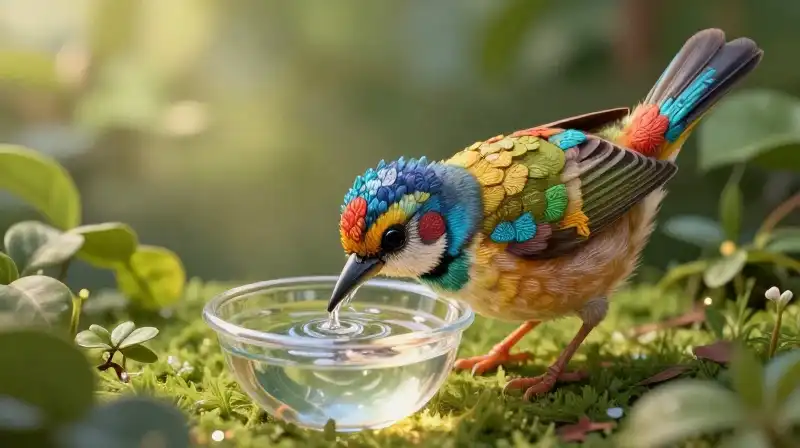
For the majority of avian species, drinking is a physical action reliant on gravity and beak morphology. The process typically begins with the bird utilizing its beak to scoop or sip the liquid. This mimics a shallow shovel action. Once the water is collected, the bird must tilt its head back significantly. This head tilt is a necessary adaptation because most bird species lack sealable lips, meaning they cannot create a vacuum to pull the water into their mouth; instead, they rely on the downward force of gravity to facilitate ingestion.
This scooping action is efficient for shallow puddles and surface water. However, the variety in drinking techniques means that not all birds operate on the same principles. The shape and size of the beak, alongside the overall anatomy of the bird, dictate the efficiency of how they collect and process water. Furthermore, since water is an essential resource for survival, drinking behavior can become a competitive activity in limited environments like a small bird bath.
Anatomical Exceptions: The Suction Advantage
While scooping is the norm, certain avian species possess a unique anatomical advantage: the ability to suck water without tilting their heads. Pigeons and doves are among the few species that utilize suction to facilitate hydration. Their specialized anatomy allows them to pull water toward the mouth via a suction process rather than relying solely on gravity, a fascinating adaptation that aids their survival in various settings.
Environmental Adaptations and Moisture Acquisition
The way a bird meets its hydration needs is heavily influenced by its surroundings. Some species exhibit strong opportunistic feeding, drinking from whatever liquid is available, while others develop highly specific searching behaviors tailored to where freshwater exists. The availability of natural freshwater dictates the necessary adaptation.
Arid Environment Strategies
For birds living in arid or semi-desert environments, the need for water is often mitigated by other sources. Many desert-adapted avian species obtain a significant portion, if not all, of their necessary moisture from the food they consume. Their physiological systems are adapted to conserve bodily fluids remarkably well, which results in lower overall drinking water requirements compared to mammals. Therefore, maintaining a constant, reliable water source is even more critical for survival in these conditions.
In colder climates, birds take advantage of naturally occurring winter sources. They are capable of gathering water from melting snow or dripping icicles, showing a keen ability to find and utilize available liquid even when access is restricted.
Practical Water Management: How to Provide Bird Water
For backyards and pet enclosures, providing safe and accessible water is vital for consistent hydration. When a consistent supply is available, birds often gather around preferred locations like birdbaths or open puddles. To ensure optimal access, the design of the water source should cater to the primary drinking behavior of most species: shallow scooping.
Recommendations for Providing Bird Water:
- Shallow Depth: Water should be maintained at a very shallow depth. This is crucial because heated or cold water can rapidly freeze onto a bird’s feathers, posing a serious risk of icicles.
- Unbreakable Material: Utilize shallow, unbreakable containers placed on secure, stable surfaces. This prevents tipping and breakage.
- Accessibility: Ensure the container is placed in a safe, unobstructed area where birds can easily approach the water without risk of predation or injury.
Addressing Common Questions About Bird Hydration
- How often do birds drink water? Birds do not drink on a strict schedule, but they require consistent access to water to maintain fluid balance, especially during periods of high activity or heat.
- Do birds drink milk? No. While birds can consume various liquids, milk is not a nutritional source for most avian species and can lead to digestive issues.
- Do birds drink water out of a bowl? Yes, most birds drink from a bowl or dish, but the bowl should be wide and shallow to facilitate the scooping motion rather than a deep cup.
Navigating the Cold: Safety and Heated Birdbaths
Winter water provision requires specific strategies to prevent the water from freezing and creating dangerous ice buildup on a bird’s plumage. Heated birdbaths are an effective solution, but they demand careful management.
Practical Considerations for Heated Birdbaths:
| Feature | Recommendation | Reason |
|---|---|---|
| Management | Bring containers inside once frozen. | Prevents prolonged icing and damage to the unit. |
| Energy Use | Use heaters judiciously; consider manual checks. | Continuous 24/7 operation consumes significant energy, particularly in frigid weather. |
| Safety | Install a nonmetallic grille. | Allows birds to drink without being able to jump into deep water. |
Summary of Optimal Bird Care
Successful bird hydration relies on providing consistent, accessible water that matches the natural behaviors and physiological limits of the species. The goal is to provide a stable source—whether a shallow outdoor dish or a managed heated unit—that minimizes the risk of ice formation and ensures that the water does not become a source of lethal danger. By understanding that most birds rely on scooping and that environmental factors (like arid climates) influence their needs, owners can create a habitat that promotes robust health and prevents dehydration, regardless of the season.
How to Provide Water for Birds
Set Shallow Depth
Water should be maintained at a very shallow depth to prevent freezing and the formation of icicles.
Select Durable Containers
Utilize shallow, unbreakable containers placed on secure, stable surfaces to prevent tipping and breakage.
Ensure Accessibility and Safety
Ensure the container is placed in a safe, unobstructed area where birds can easily approach the water without risk of predation or injury.
Related Articles