Mice vs. Cheese: Debunking the Myth of Rodent Food Preferences

Introduction
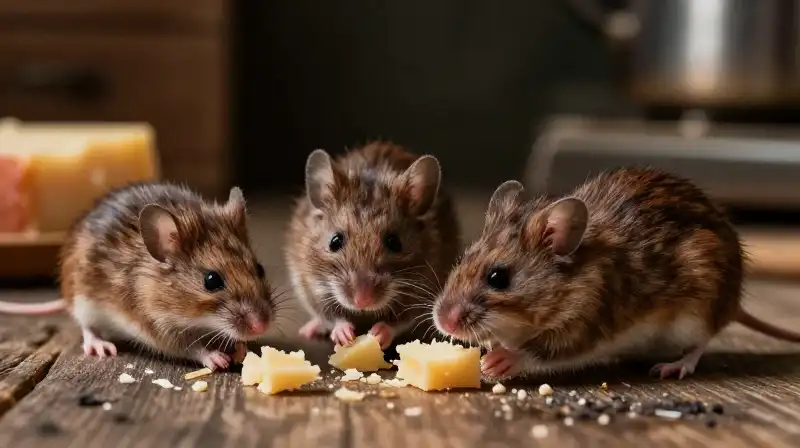
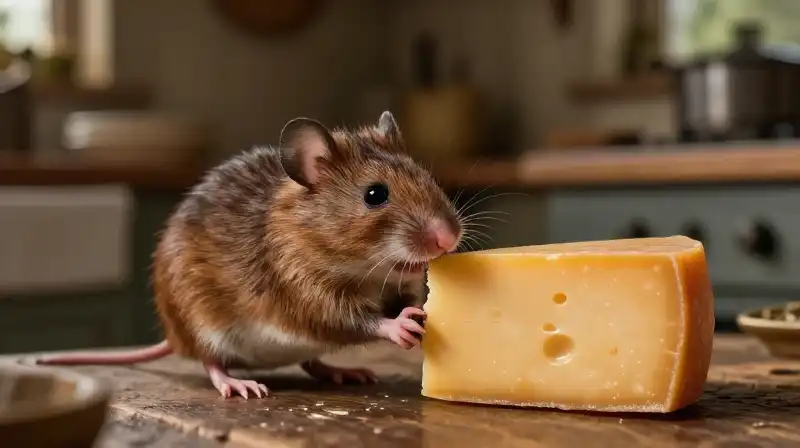
The widespread assumption that mice are strongly attracted to and prefer cheese is a common cultural myth. In reality, modern animal behavior research suggests that mice do not possess a definitive primary attraction to dairy products. While they are opportunistic omnivores—meaning they will eat nearly anything—their feeding choices are driven primarily by caloric needs, energy density, and environmental availability, rather than a specific craving for cheese. To understand mouse preferences and manage infestations effectively, it is necessary to move beyond the stereotype and examine what actually drives their behavior.
Understanding Mouse Dietary Priorities
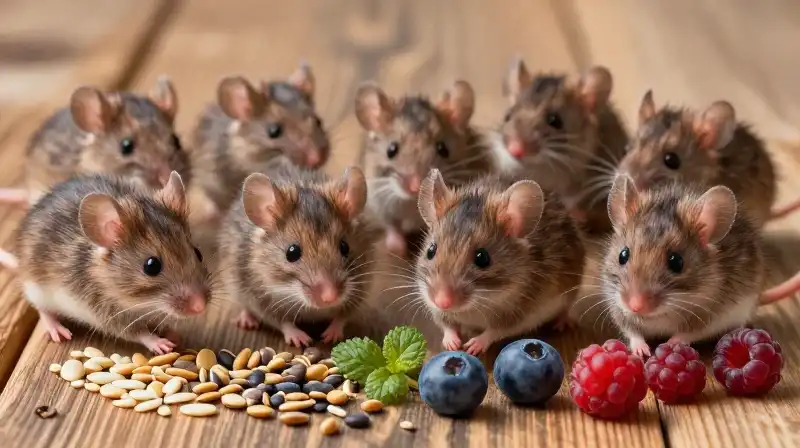
The belief that mice eat cheese likely stems from historical observations of mice consuming stored dairy in old buildings. However, the scientific reality is that mice are seeking a consistent supply of quick, sustained energy. Their diet is influenced by two main factors: nutritional value and immediate availability. When presented with various food options, mice prioritize sources that offer a high return on their consumption effort. They require carbohydrates for quick energy, making seeds, grains, and fruits highly desirable.
- Carbohydrate Preference: Mice thrive on foods with high carbohydrate and caloric density.
- Energy Density: While cheese is high in fat, mice often exhibit a stronger attraction to naturally occurring carbohydrates, such as those found in nuts, fruits, and seeds.
- Sustained Energy: In agricultural settings, they typically look toward grains and seeds which offer dense, reliable nutrition.
Olfactory Repulsion: Why Cheese Can Deter Rodents
One reason the “mice eat cheese” myth persists is that mice often *are* seen near cheese, but this isn’t necessarily because they are attracted to the taste. In fact, strong or pungent cheese can act as a deterrent. Mice rely heavily on their sense of smell to locate food sources, but they are also highly sensitive to strong, pungent aromas. Aged cheeses frequently possess powerful volatile organic compounds that many rodents find irritating or overwhelming. For a mouse, a strong, pungent aroma is more likely to trigger an aversion or avoidance than an attraction, especially when compared to the neutral, earthy scent of certain baits.
Peanut Butter vs. Cheese: A Comparison for Rodent Control
When considering methods for attracting mice to traps or bait stations, the comparison between traditional dairy and modern alternatives like peanut butter reveals a clear difference in effectiveness based on how mice operate.
| Food Item | Primary Appeal | Effectiveness as Bait | Behavioral Interaction |
|---|---|---|---|
| Cheese | Fat content (if fresh) | Low to Moderate (conditional) | May be avoided due to strong odor; only accepted if absolutely no other food is present. |
| Peanut Butter | High-quality combination of protein, fat, and scent | High | Highly desirable as it provides both quick energy and sustained nutrition. |
| The peanut butter and similar spreads (like chocolate or dried fruits) are highly effective because they offer a palatable mix of macronutrients that mice actively seek. They are not merely “opportunistic”; they are selecting the most energetically dense option available. |
When Mice Will Eat Cheese
While cheese is not a preferred or actively sought-out food, there is one condition under which mice will consume it: absolute necessity. Mice are survivalists. If a mouse is facing severe hunger, and cheese is the only available food option in its immediate environment, it will consume the cheese to meet its caloric needs. Their choice is based on a lack of alternatives rather than a positive preference.
Practical Pest Control Strategy
If the goal is rodent control, choosing the right bait is more important than the bait’s flavor profile. Understanding mouse behavior allows for more strategic and successful trapping:
- Utilize Natural Carbs: For effective mouse control, use baits that align with their preference for carbohydrate-heavy diets, such as corn, seeds, or sweet spreads like chocolate.
- Consider Route Behavior: Mice are creatures of habit. They tend to stick closely to walls and along established pathways. Place traps directly along these familiar routes.
- Address Neophobia: Mice exhibit neophobia, meaning they are naturally wary of new objects and unfamiliar situations. They may ignore a new trap initially; consistency and repeated exposure are key to them becoming comfortable enough to interact with the bait.
Conclusion: Prioritizing Energy Over Taste
The idea that mice are strongly attracted to cheese is a myth rooted in historical observation. To correctly assess rodent behavior, one must recognize that mice are opportunistic foragers driven by the need for high-calorie, easily accessible sustenance. They rarely prefer cheese due to strong-smelling deterrent effects, and they will only consume it when deprived of more energetically dense alternatives like grains, nuts, or specialized baits. For efficient and successful pest control, focus on attracting them with high-value, carbohydrate-rich food sources rather than relying on traditional dairy.
Frequently Asked Questions
Why do we say mice eat cheese?
The belief that mice eat cheese likely stems from historical observations of mice consuming stored dairy in old buildings. Scientifically, mice only consume cheese when it is the only available food option, as their feeding choices are driven by caloric and nutritional needs.
How to Implement a Practical Pest Control Strategy for Rodents
Utilize Natural Carbs
For effective mouse control, use baits that align with their preference for carbohydrate-heavy diets, such as corn, seeds, or sweet spreads like chocolate.
Consider Route Behavior
Mice are creatures of habit and tend to stick closely to walls and along established pathways. Place traps directly along these familiar routes.
Address Neophobia
Since mice are naturally wary of new objects and unfamiliar situations (neophobia), consistency and repeated exposure are key to them becoming comfortable enough to interact with the bait.
Related Articles