
How Snorkeling Works: Guide to Technique and Snorkel Function

Introduction
The snorkel functions as a specialized breathing apparatus designed to facilitate continuous inhalation of atmospheric air while allowing the user’s face to remain submerged in the water. It is not a self-contained oxygen system; rather, it extends the user’s reach to the surface, providing a functional link between the surface air and the underwater environment. Understanding how to use a snorkel underwater requires a combination of proper gear placement, body mechanics, and awareness of modern design features that minimize the risk of water entry.
The Basic Anatomy and Function of a Snorkel System
A complete snorkeling system typically consists of a mask and a snorkel. The mask is designed to provide a watertight seal against the face, giving the user a wide field of clear underwater vision. The snorkel itself is the tube designed to channel air from the atmosphere to the user’s lungs. The operation is fundamentally simple: the user exhales underwater (releasing stale air into the surrounding environment) and takes in fresh air through the mouthpiece positioned at the top of the tube. This system allows the user to maintain a relaxed, low-impact position while focusing on observing marine life.
Step-by-Step Guide to Snorkeling Technique
To use a snorkel effectively and comfortably, specific techniques are required to manage the mouthpiece and ensure a clear airway.
First, ensure your mask is properly sealed to your face, preventing water leakage. Next, position the snorkel securely by biting the mouthpiece between your teeth, ensuring a tight seal to prevent air leaks.
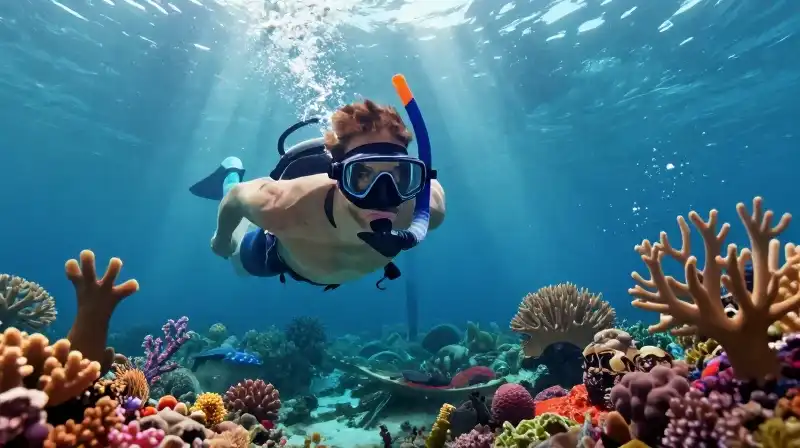
The proper posture is to lie face-down on the water’s surface. This allows you to view the ocean below while keeping your breathing point above the waterline. When ready to move, use fins to achieve efficient movement forward, rather than relying on arm movements, which can create unnecessary drag.
Managing Your Breath Underwater
When snorkeling, you should always aim for slow, deep breaths. Do not attempt to hold your breath for extended periods; the snorkel is intended to provide continuous airflow. When you transition from the surface to the submerged position, your head movement should be subtle. You are not diving; you are merely shifting your head to maintain the mouthpiece’s orientation relative to the surface.
Should the snorkel tube fill with water—a common issue with older models—the user should not panic. The immediate remedy is to forcefully exhale through the mouthpiece into the tube. This vigorous expulsion of air creates the necessary pressure to displace the liquid. Advanced techniques suggest submerging the snorkel end during ascent to assist in forcing trapped water out.
How Snorkels Work to Prevent Water Ingress
The transition in snorkel design has significantly reduced the instances where the tube fills with water, addressing a primary complaint of beginner snorkelers. Modern designs incorporate specific engineering to achieve this.
Dry Snorkel Technology
Dry snorkels utilize a plastic or silicone cover over the top of the tube. This cover is typically sealed by a mechanical mechanism, ensuring that when the tube is above the water, the opening is hermetically sealed, preventing splashes from entering the internal passage. This feature is critical for those seeking uninterrupted observation time.
The Role of Purge Valves
Many contemporary snorkels include purge valves. These valves act as a relief mechanism, allowing the user to quickly expel any small amounts of unexpected water that might have been forced into the tube. Operating a purge valve requires only a single, deliberate deep exhalation, providing a fast and simple solution to clearing the snorkel.
Snorkeling vs. SCUBA: Understanding Limits and Equipment
It is essential to clarify the limitations of snorkeling to prevent user confusion. Snorkeling is strictly a surface activity.
The fundamental difference between snorkeling and SCUBA diving is the operational depth and air source. Snorkeling utilizes the open atmosphere via a snorkel, restricting activity to the surface layer. In contrast, SCUBA requires specialized compressed air cylinders and regulators because the air supply must sustain the user at greater depths where atmospheric pressure would otherwise be dangerous or insufficient for comfortable breathing.
Trying to go fully underwater and remain there indefinitely using only a standard snorkel is not feasible, as the purpose of the device is surface breathing. While you can momentarily submerge the tip of the snorkel to peek at the bottom, the activity itself requires continuous interaction with the surface for oxygen intake.
Addressing Common Snorkeling Challenges
One of the most frequent user questions is whether it is possible to go completely underwater with a snorkel. While the device allows you to stay submerged for observational periods, sustained full submersion is dependent on the user’s natural breath-hold ability, not the snorkel’s function. The snorkel is an auxiliary breathing tool for surface operation.
If water enters the mouthpiece or flows down the tube, the most important rule is to stay calm. Never fight the water; instead, use controlled, powerful exhalations. If the snorkel is flooded, do not hesitate to submerge the entire tube briefly until the water clears, then resume breathing at the surface.
Summary of Best Practices and Safety Precautions
To ensure a successful and safe snorkeling experience, focus on a few key practical considerations:
- Coordinated Movement: Practice aligning the mouthpiece with the surface while maintaining a relaxed body posture.
- Fin Usage: Use fins to maintain efficient movement and minimize fatigue.
- Gear Check: Always inspect your mask seal and snorkel functionality before entering the water.
- Limits of Activity: Respect the boundaries of surface-level snorkeling; it is a recreational observation activity, not a deep-sea exploration tool.
By mastering these techniques and understanding the mechanical purpose of the snorkel—to bridge the gap between the surface air and the submerged environment—the user can transition from merely using the gear to experiencing the underwater world effectively and safely.
Frequently Asked Questions
How do you snorkel underwater for beginners?
Beginners should ensure their mask is properly sealed, lie face-down on the surface, and use fins to move while taking slow, deep breaths through the mouthpiece. If the snorkel fills with water, the remedy is to forcefully exhale through the tube to create necessary pressure.
How to go fully underwater with a snorkel?
Snorkeling is strictly a surface activity, meaning sustained full submersion is not feasible with a standard snorkel. While the device allows users to stay submerged for observation, remaining fully underwater relies on the users natural breath-hold ability, as the snorkel is intended for surface breathing.
How does a snorkel go in the mouth?
The user must position the snorkel securely by biting the mouthpiece between their teeth to ensure a tight seal and prevent air leaks.
Why do people go fully underwater with a snorkel?
People use a snorkel to stay submerged for observational periods while maintaining a relaxed, low-impact position to focus on marine life. The device acts as a breathing apparatus that provides a functional link between the surface air and the underwater environment.
How do snorkels work in deep water?
Snorkeling is strictly a surface activity, and it is not feasible to remain indefinitely underwater using a standard snorkel. The device functions as an auxiliary breathing tool for surface operation, requiring the user to maintain continuous interaction with the open atmosphere.
How do snorkels not fill with water?
Snorkels prevent water entry through modern designs that incorporate a mechanically sealed cover over the tube, preventing splashes from entering the passage when above the water. Alternatively, contemporary models feature purge valves, which allow the user to expel unexpected small amounts of water that may have been forced into the tube.
Can you go completely underwater with a snorkel?
Sustained full submersion is not feasible using only a standard snorkel, as the device is designed for surface breathing and requires continuous interaction with the surface for oxygen intake. While the snorkel allows for submerged observational periods, extended full submersion relies on the user’s natural breath-hold ability.
How to Snorkel Effectively and Comfortably
Ensure proper gear placement
First, ensure your mask is properly sealed to your face, preventing water leakage.
Position the snorkel
Next, position the snorkel securely by biting the mouthpiece between your teeth, ensuring a tight seal to prevent air leaks.
Adopt proper posture
The proper posture is to lie face-down on the water's surface. This allows you to view the ocean below while keeping your breathing point above the waterline.
Move efficiently
When ready to move, use fins to achieve efficient movement forward, rather than relying on arm movements, which can create unnecessary drag.
Manage breathing underwater
Always aim for slow, deep breaths. Do not attempt to hold your breath for extended periods; the snorkel is intended to provide continuous airflow.
Transition to submerged position
When transitioning from the surface to the submerged position, your head movement should be subtle; you are merely shifting your head to maintain the mouthpiece's orientation relative to the surface.
Clear flooded snorkel
If the snorkel tube fills with water, forcefully exhale through the mouthpiece into the tube. This vigorous expulsion of air creates the necessary pressure to displace the liquid.
Related Articles