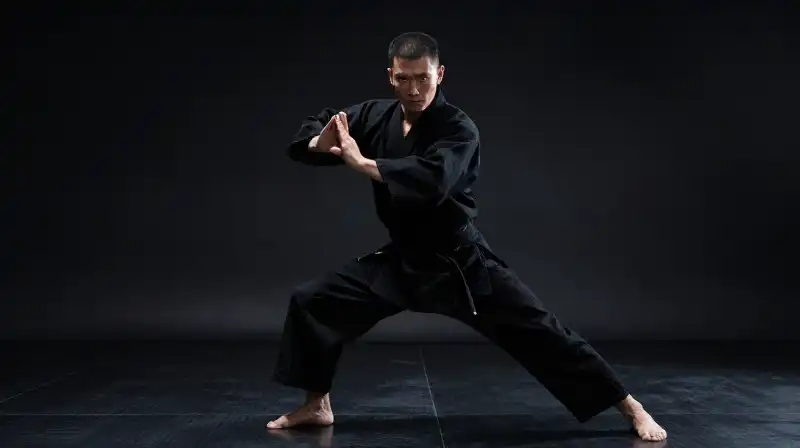

Defining Classically Trained: The Path to Musical Mastery

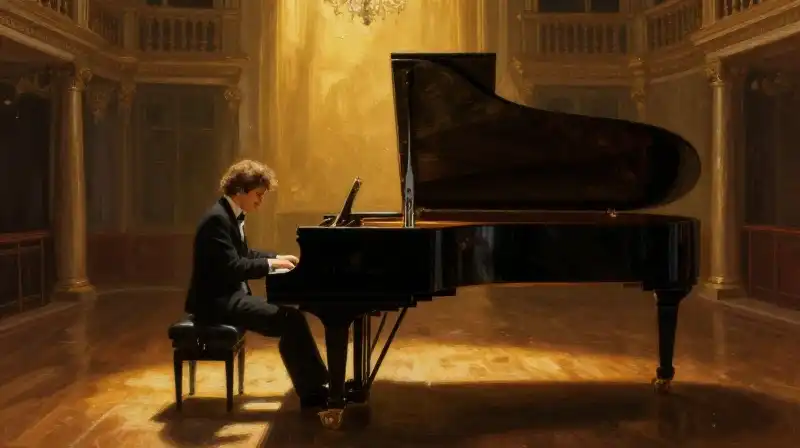
Introduction
When someone asks, “What does classically trained mean?”, they are seeking more than a simple label of skill. The term “classically trained” is a powerful descriptor of a specific pedagogical journey—a rigorous, structured educational path focused on foundational mastery. While it often evokes images of formal concerts, the definition applies across various disciplines, signaling proficiency achieved through adherence to traditional, established methodologies. In the context of music, however, the phrase carries a highly specific weight, implying a mastery of fundamental principles and a discipline that contrasts sharply with casual performance. To be classically trained is not merely to be proficient; it is to have internalized a comprehensive body of knowledge about the art form.
Defining Classical Training in Music
At its core, classical musical training is an intensive, systematic education that prioritizes technical precision and theoretical depth. It is fundamentally different from simply being a skilled player of a specific song or genre. The training aims to equip the musician with a universal “musical vocabulary,” allowing them to understand, interpret, and create within the established framework of Western art music.
This definition hinges on three interconnected pillars: technical execution, deep theoretical knowledge, and historical understanding.
- Technical Mastery: This involves attaining a high level of flawless physical control over the instrument. For a violinist, this means perfect bow technique and intonation; for a pianist, it means command of hand independence and dynamic control. It is the attainment of a level of proficiency where technique is intuitive and automatic.
- Theoretical Depth: Classical training requires a profound understanding of music theory. This includes mastering concepts like harmony (understanding how chords function), transposition, rhythm signatures, keys, and musical structure (sonata form, fugue, etc.).
- Reading Proficiency: A crucial component is “learning by reading.” A classically trained musician must be able to read music accurately across multiple clefs and tempo markings, allowing them to access and interpret scores regardless of the composer or era.
The Rigor of the Classical Methodology
The pathway to this level of training is defined by its structure and intensity. Unlike informal learning, which may focus on immediate gratification or performance, classical training is process-oriented and often formalized. It is designed to build a durable, foundational understanding that can serve as a lifetime of musical reference.
This methodology is typically achieved through highly structured environments:
- Formal Institutions: Conservatories and university music programs provide the most definitive setting for this type of education. These environments ensure consistent, professional standards and often culminate in formal examinations or recitals.
- Master-Apprentice Relationship: Learning one-on-one with a recognized master or expert is a traditional method. This individualized instruction allows the teacher to address specific technical weaknesses and guide the student through the nuances of interpretation that cannot be taught in a lecture hall.
- Curriculum Scope: The training does not stop at technical exercises. It requires studying historical context—understanding *why* a piece was written, who wrote it, and what the cultural context was—thereby linking the music to its artistic legacy.
Differentiating Classical Training from Other Performance Skills
One of the most common confusions is mistaking a highly skilled, contemporary performer for someone who is classically trained. While contemporary musicians are often supremely talented, the classical framework demands a different set of priorities. The distinction lies in the goal of the education.
| Feature | Classically Trained Musician | Casual/Contemporary Performer |
|---|---|---|
| Primary Goal | Comprehensive understanding, historical context, and mastery of fundamentals. | Effective performance and immediate enjoyment of a specific style. |
| Methodology | Structured study of theory, notation, and historical repertoire. | Learning by rote, often focusing on tabs or video tutorials. |
| Musical Vocabulary | Deep, transferable knowledge of harmony, form, and multiple genres. | Specialized knowledge tailored to a specific genre (e.g., rock, jazz). |
| Performance Focus | Interpretation of the written work with technical fidelity and intellectual depth. | Stylistic flair, emotional expression, and audience connection. |
Essentially, classical training is intended to be a foundational toolkit. This strong theoretical base allows a musician to transition into other genres—such as jazz, orchestral work, or composition—with a powerful understanding of how all music functions, regardless of its surface sound.
Beyond the Instrument: When the Term Applies
While classical music is the most frequent application, the term “classically trained” is occasionally used metaphorically or literally in other fields to denote adherence to rigorous, foundational, traditional mastery. This usage signifies a method that is time-tested and highly specialized.
- Cuisine: A “classically trained chef” refers to someone who has mastered the traditional techniques and foundational recipes of haute cuisine, rather than merely following modern, fast cooking trends.
- Acting: Training in classical methods (such as Stanislavski techniques or Shakespearean study) refers to a deep dive into traditional dramatic structure, text, and human emotion, contrasting with more improvisational or contemporary acting styles.
- Dance: Classical ballet training emphasizes codified, rigorous techniques (like the Vaganova or Cecchetti methods) that focus on precise form and anatomical knowledge.
In all these instances, the common thread is a commitment to a comprehensive, historical, and disciplined methodology that serves as the bedrock for expertise.
Navigating the Definition: Practical Considerations
Because the term can be applied broadly, it is important to understand that “classically trained” is not a universally mandated degree of quality, but rather a description of the educational path taken. The journey itself dictates the descriptor.
To evaluate whether someone has truly undergone classical training, one must look beyond immediate talent. Look for evidence of:
- Transposition and Versatility: Can they seamlessly adapt music across different instruments or keys?
- Theoretical Fluency: Do they understand *why* a piece sounds the way it does, or can they explain the harmonic structures?
- Consistency: Is the technical execution maintained even in complex, unfamiliar repertoire?
A critical warning is to differentiate between possessing innate talent and having acquired discipline. While talent opens doors, classical training provides the sturdy architectural framework required to build lasting professional skill. It is the structure that allows a raw ability to evolve into masterful execution.
Frequently Asked Questions
What does it mean to be classically trained?
Classically trained describes a rigorous, structured educational path focused on foundational mastery and adherence to traditional, established methodologies. It means achieving proficiency by internalizing a comprehensive body of knowledge and prioritizing technical precision and theoretical depth.
How to tell if someone is classically trained?
One must look beyond immediate talent and look for evidence of strong theoretical fluency, such as the ability to explain harmonic structures, and consistency in technical execution, even with unfamiliar repertoire. Other indicators include transposition and versatility, demonstrating the ability to seamlessly adapt music across different keys and instruments.
Related Articles