Does a Hen Need to Mate to Lay Eggs? (And What It Takes for Fertility)

Introduction
The simple question of whether a hen must mate to lay an egg can be answered unequivocally: no. A hen is biologically capable of laying an egg independently of a rooster or any previous mating. however, this ability to lay eggs is distinct from the ability to produce fertile eggs that can hatch. For commercial purposes, this distinction is vital. An egg laid without fertilization is considered unfertilized and is sterile, meaning it will never develop into a viable chick, regardless of whether it is incubated. Fertilization, which requires the contribution of sperm from a rooster, is the critical step for ensuring reproductive success and species continuation.
The Anatomy of Egg Production: Laying vs. Fertilizing
The process of laying an egg is a solitary function of the female chicken. Hens do not require a rooster to produce eggs; they do not need to mate to enter the laying cycle. When a hen lays an egg, it is a genetic snapshot containing a single set of DNA—that of the mother. This is why unfertilized eggs, if they were to somehow hatch, would result in clones of the hen.
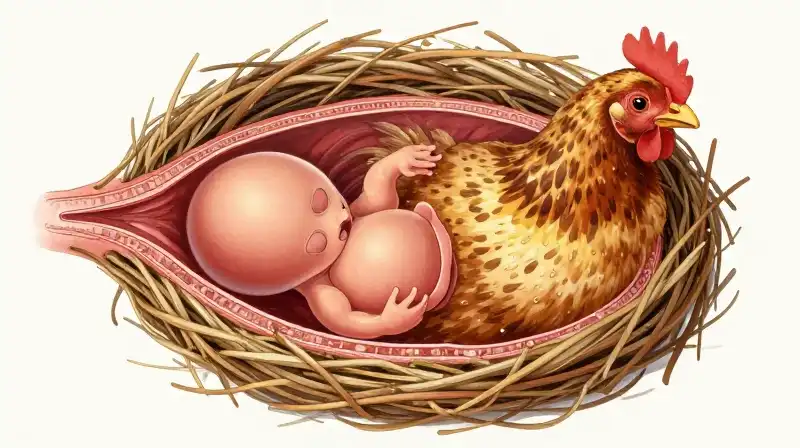
The physical mechanism is efficient. The hen’s oviduct, where the egg is formed, is housed within the cloaca. During egg passage, the oviduct inverts, ensuring that the developing egg minimizes contact with feces, which is safely discharged through the cloaca simultaneously. This evolutionary adaptation promotes sanitation and efficient delivery.
Can a Chicken Lay Eggs Without a Rooster?
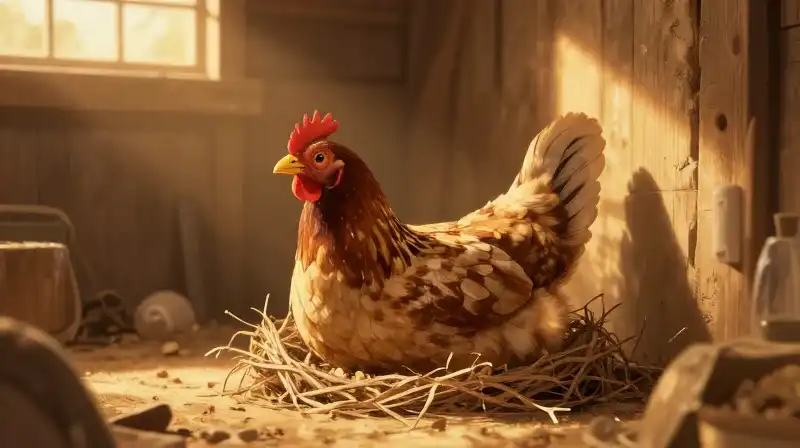
Yes. Hens lay eggs continuously, often daily, as long as they have access to proper nutrition, housing, and light cycles. The presence or absence of a rooster has no physiological impact on the hen’s ability to form and deposit an egg.
However, it is important to clarify the source of the eggs. Eggs laid by a hen who has never been with a rooster will always be unfertilized. For any egg to be considered “fertile,” the hen must have been fertilized by a rooster at some point.
The Biological Necessity of the Rooster for Fertility
While a hen can lay, she cannot generate fertile eggs without a rooster. Fertility is achieved through fertilization, a process where the rooster’s sperm combines with the hen’s ovum (egg cell), merging the mother’s genetics with the father’s.
If the hen has a rooster, the rooster facilitates this process. The act of chicken mating, often referred to as a “cloacal kiss,” is a rapid transfer of sperm between the male and female without actual physical penetration. The cloaca serves as the entry point for the rooster’s sperm and the exit point for the egg. Furthermore, hens possess the remarkable physiological ability to store sperm from previous matings in their bodies for several weeks, meaning successful fertilization doesn’t always need to be immediate.
How Does the Rooster Influence Egg Quality?
The inclusion of a rooster is necessary if the objective is to produce eggs that can hatch. For a hen to produce consistently fertile eggs, mating typically needs to occur between two to three times per week. A single rooster can be highly effective, fertilizing many hens throughout the season, ensuring a steady supply of fertile stock for breeding programs.
Beyond Reproduction: The Multi-Faceted Role of the Rooster
The rooster’s purpose in a flock extends far beyond merely fertilizing eggs. He serves vital roles in maintaining the social and physical integrity of the group.
As the flock leader, the rooster acts as a “sentinel,” actively scanning the environment to detect and warn the flock of predators. He also maintains flock discipline, often preventing hens from wandering too far or interfering with other members. This protective and managing behavior contributes significantly to the overall safety and health of the entire group.
From a practical management perspective, the generally recommended ratio for optimal flock health and reproductive success is one rooster for every ten hens.
Understanding Related Concepts: Common Confusion and Misconceptions
Several common questions often lead to confusion regarding egg production. Clarifying these points provides a clearer picture of poultry biology:
Do Unfertilized Eggs Hatch?
No. Unfertilized eggs do not develop. Incubation merely provides the necessary warmth and environment for a fertilized egg to grow. Without the genetic material from a rooster, the egg remains biologically incomplete and sterile.
While hens do not produce liquid urine, excreting waste as moist uric acid through the cloaca, this biological trait is unrelated to fertilization. It is a physiological adaptation that aids in maintaining a dry, hygienic coop environment.
How Does a Rooster Fertilize Eggs?
The process is quick and occurs during the “cloacal kiss.” Sperm is deposited into the hen’s reproductive tract, where it is stored and later utilized to fertilize the ovum as the egg passes through the reproductive system.
Practical Guidance for Poultry Management and Production
To move beyond simply knowing the biology and apply this knowledge to a practical situation—whether for a hobby or a commercial operation—there are key factors to consider.
Decision Criteria: When Do You Need a Rooster?
The decision to introduce a rooster depends entirely on your goal:
- If the goal is commercial consumption (meat/table eggs): A rooster is not required. Unfertilized eggs are perfectly fine for cooking and consumption.
- If the goal is hatching/breeding: A rooster is essential. Mating must occur regularly to ensure the eggs produced are fertile.
- If the goal is flock management and protection: A rooster is highly beneficial, as they provide defense and flock discipline.
Limitation: Storage vs. Fertility
It is important to note the distinction between storing sperm and ensuring successful pregnancy. While hens can store sperm, fertility is still reliant on successful fertilization. Furthermore, eggs laid too far removed from a rooster or with very infrequent mating may have a lower likelihood of developing into strong, healthy chicks compared to those produced during consistent pairing.
In summary, while a hen is naturally equipped to lay eggs alone, her reproductive potential is limited without the contribution of the rooster. Whether you need a rooster hinges entirely on whether you intend to harvest fertile chicks or merely consume the eggs.
Related Articles