
Washing Dreadlocks Properly: Essential Techniques and Soap Advice

Introduction
The question of whether or how to wash dreadlocks is a central concern for any loc wearer. The reality is that dreadlocks do require washing to maintain scalp health and cleanliness, but the methods used for dreadlocks differ significantly from those used for standard hair. Improper washing techniques or the use of unsuitable products can lead to structural stress, matting, or discomfort. The core principle of caring for dreadlocks is finding a balance between thorough sanitation and preserving the natural integrity of the loc itself.
This guide details the necessary techniques, appropriate cleansing agents, and considerations for frequency to ensure your dreadlocks stay healthy and intact. While aggressive washing can cause distress, proper, targeted cleansing is crucial for long-term loc health.
The Mechanics of Washing Dreadlocks: A Step-by-Step Guide
Washing dreadlocks is less about applying product to the surface and more about saturated cleansing and targeted root hygiene. Standard liquid shampoo applied by pouring is generally not the most effective method for this hair type.
Here is the proper sequence for effective cleansing:
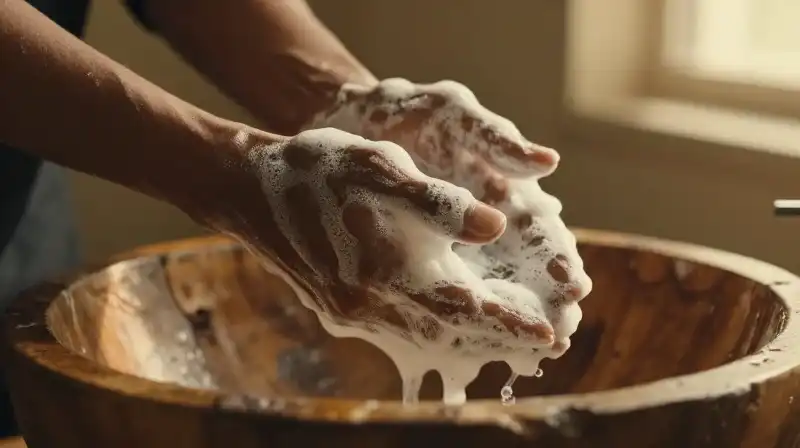
- Saturation: Instead of pouring, utilize a basin or shower to saturate the individual dreadlocks by gently squeezing soapy water deep into the loc from top to bottom. This ensures the core of the lock is clean.
- Scalp Scrubbing: To achieve true hygiene, you must dedicate effort to the scalp. Manually work into the “beginning” of the dreadlocks where they meet the scalp to gently scrub and cleanse the roots. This area collects oils, sweat, and buildup.
- Manipulation Check: If your dreadlocks are very tight or newly formed, gentle manual manipulation, such as palm rolling, may be necessary to ensure the loc does not tighten or knot during the washing process.
- Rinsing: After cleansing, the most critical phase is the rinse. Rinse thoroughly until you are certain all soap residue has been completely removed, as left-behind residue can cause irritation or residue buildup.
Selecting the Right Cleansing Agents
The choice of product is paramount. Traditional, heavy liquid shampoos often contain conditioning agents that are too softening for the dreadlock structure, potentially compromising their integrity. Specialized soaps are often recommended within the loc community.
Appropriate Options:
- Specialized Soaps: Products like Marseille soap or specific low-lather shower gels designed for locs are excellent choices. These provide effective cleansing without the heavy chemical load of standard shampoos.
- Plain Shampoo (Conditional Use): Some find success using standard shampoos, provided they are specifically formulated to be free of heavy conditioners.
- Natural Alternatives: For weekly maintenance, some individuals utilize natural rinses, such as a diluted apple cider vinegar solution, though this should always be followed by a thorough rinsing with plain water.
Addressing Frequency: How Often Should You Wash Your Locs?
The answer to “how often should you wash dreadlocks” is highly individualized, depending on your lifestyle, activity level, and hair texture. There is no universal schedule, and over-washing is as detrimental as under-washing.
Decision Criteria for Washing Frequency:
| Scenario | Recommendation | Rationale |
|---|---|---|
| Sedentary Lifestyle / Low Sweat | Every 2-4 weeks | Allows natural oils time to be absorbed and prevents structural stress. |
| High Activity / Frequent Sweat | As needed, or every 1-2 weeks | Sweat and activity introduce salts and buildup that require more frequent cleansing to prevent odor and scalp issues. |
| Oily Scalp / Heavy Product Use | Every 1-2 weeks | Oils and product buildup necessitate more consistent sanitation. |
It is a common fear that washing dreadlocks will cause them to fall out. Properly executed washing, focusing on gentle saturation and thorough rinsing, does not weaken the loc. The risk of loc loss is generally higher from severe neglect (allowing buildup and infection to form) or from aggressive, damaging handling.
Post-Wash Protocol: Drying and Maintenance
Once the washing and rinsing are complete, the post-wash care is crucial for preventing mildew, frizz, and subsequent matting.
Drying Procedure:
Do not rub your dreadlocks with a towel, as this causes frizz and mechanical damage. Instead, gently squeeze the dreadlocks against a towel to wick away excess water. The goal is to leave them sufficiently damp, not dripping. Allowing them to air dry in a cool, protected area is ideal.
Maintenance Techniques:
- Dread Wax: For hair prone to matting, applying specialized dread wax or balms can help reinforce the structure and manage frizz.
- Backcombing/Re-lacing: Techniques like backcombing or scheduled maintenance sessions (re-lacing or palm rolling) are vital for ensuring the locks maintain their defined structure and don’t become matted.
Avoiding Common Mistakes and Ensuring Longevity
Maintaining healthy dreadlocks requires vigilance against common errors. Understanding these potential pitfalls can prevent unnecessary stress and damage to your locs.
Critical Mistakes to Prevent:
- Incomplete Rinsing: Soap residue trapped inside the loc can cause chemical irritation and compromise the hair structure.
- Over-manipulation: Excessive twisting, pulling, or brushing, especially when the hair is saturated or damp, can lead to breakage or knot formation.
- Ignoring the Roots: Skipping the scalp-scrubbing phase allows buildup to accumulate, leading to itch, irritation, and poor loc health.
By prioritizing specific, targeted cleansing, choosing products that support the loc structure, and respecting the natural drying process, you can maintain the health and longevity of your dreadlocks while addressing the necessary needs of sanitation.
Frequently Asked Questions
Will my dreads come out if I wash them?
Properly executed washing, focusing on gentle saturation and thorough rinsing, does not weaken the loc or cause them to fall out. The risk of loc loss is generally higher from severe neglect or aggressive, damaging handling.
How to Wash Dreadlocks
Saturation
Instead of pouring shampoo, utilize a basin or shower to saturate the individual dreadlocks by gently squeezing soapy water deep into the loc from top to bottom, ensuring the core of the lock is clean.
Scalp Scrubbing
Manually work into the "beginning" of the dreadlocks where they meet the scalp to gently scrub and cleanse the roots, as this area collects oils, sweat, and buildup.
Manipulation Check
If your dreadlocks are very tight or newly formed, perform gentle manual manipulation, such as palm rolling, to ensure the loc does not tighten or knot during the washing process.
Rinsing
After cleansing, rinse thoroughly until you are certain all soap residue has been completely removed, as left-behind residue can cause irritation or residue buildup.
Drying and Post-Wash Care
Do not rub your dreadlocks with a towel; instead, gently squeeze the dreadlocks against a towel to wick away excess water and allow them to air dry in a cool, protected area.
Related Articles