
Thatched Roof Lifespan: Material, Maintenance, and Expected Durability

Introduction
The lifespan of a thatched roof is not a fixed date, but rather a dynamic range determined by material quality, structural integrity, and maintenance. For a well-maintained thatched cottage, the functional life of the thatch itself typically ranges from 20 to 50 years. While some older structures have shown durability stretching over several centuries, modern, high-quality installations generally follow a cycle where a full replacement is required around 25 to 30 years, though the surface can often be “spruced up” or renewed to extend that time. Understanding these variables is essential, as the aesthetic appeal of thatch comes with specific, practical requirements for long-term preservation.
Factors Determining Thatched Roof Lifespan
The longevity of a roof depends on a synergy between the material and the installation. Three critical factors dictate whether a roof reaches its potential lifespan or decays prematurely.
Material Choice and Decay Resistance
The specific material used significantly influences durability. Different materials have different inherent lifespans and protective properties:
- Water Reed: Often considered premium, water reed generally boasts a lifespan of around 30 years.
- Combed Wheat Reed: This material typically lasts approximately 30 years as well, prized for its tight layering and excellent water shedding.
- Long Straw: While popular, long straw typically has a shorter estimated lifespan, often around 20 years.
Durability is also rooted in the material’s chemical composition. Straw, for example, possesses a high Carbon to Nitrogen (C
Construction and Architectural Integrity
The design of the roof plays a major role in its protection. A crucial architectural detail is a steep pitch, which ensures efficient and rapid water runoff. If a roof is too shallow, water remains in contact with the material for longer, increasing the risk of degradation. Furthermore, the underlying wooden frame must be robust. The thatch does not simply hang from a frame; it rests upon and is protected by this supportive structure, preventing the material from falling apart prematurely.
The Critical Role of Maintenance and Care
Maintenance transforms a static roof into a living system that requires proactive management. Diligent upkeep is the primary way owners can extend their roof life beyond standard estimates.
Annual Inspections and Seasonal Care
Regular annual inspections by a qualified thatcher are non-negotiable. These inspections allow specialists to identify and address minor issues—such as small leaks or localized moisture penetration—before they can escalate into major structural failures. Practical maintenance procedures often include:
- Strategic Renewal: Periodically (e.g., every decade), selectively stripping the top layer of the thatch to renew the surface while preserving the durable underlying layers.
- Protection: Historically, the application of linseed or flax oil was sometimes used as a protective, waterproof coat.
- Addressing Minor Damage: Prompt repair of damaged sections before weather and moisture take hold.
By managing the roof consistently, the functional life of a thatched roof can potentially be extended toward the 60-year mark.
Addressing Common Concerns About Thatched Roofing
Beyond the lifespan, potential homeowners often have practical concerns regarding the realities of living with a thatched roof.
Waterproofing and Leak Prevention
Is a thatched roof waterproof? Yes, when correctly installed. The roof’s design inherently limits water penetration, typically allowing only about 20% of the total thatch depth to be exposed to moisture. While every roof has vulnerabilities, the highly effective water shedding and tight layering minimize the risk of leaks. However, like any natural material, water penetration can occur if the roof pitch is insufficient or if the material is compromised due to age or poor installation.
Fire Hazard and Material Vulnerability
The susceptibility of thatch to fire is a valid concern, making fire safety measures paramount. The risk is mitigated significantly through regular maintenance, including the exclusion of flammable debris, and adherence to strict building regulations. Beyond fire, thatch can be vulnerable to damage from wildlife, which is another reason why regular, professional checks are necessary.
Cost of Ownership and Replacement
While specific costs vary heavily based on location, material, and local labor rates, replacing a thatched roof is an intensive investment. Because of the specialized skills required and the heavy materials involved (thatch can weigh approximately 7 lbs per square foot compared to lighter materials like asphalt shingles), it is generally more costly to replace with traditional materials like tiles. Conversely, maintenance sprucing is typically less expensive and serves to maximize the functional life of the current roof.
The Reality of Living with a Thatched Cottage
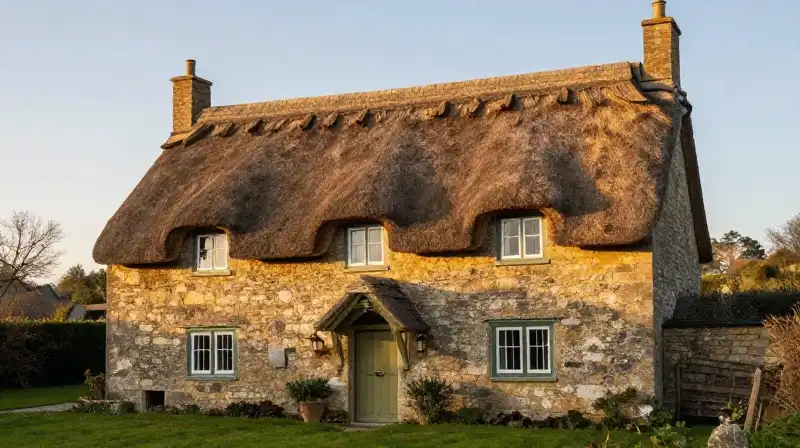
Thatched cottages are widely celebrated for their whimsical, romantic, and distinct aesthetic. In the United Kingdom, only about 60,000 thatched homes exist, making them a unique feature of the landscape. Living in one offers natural breathability and superior insulating properties, contributing positively to the home’s thermal health. However, it is important to distinguish the idyllic image from the practical reality. These properties require a higher level of stewardship. The overall experience requires acceptance of the material’s unique lifecycle—it is not a “set it and forget it” structure, but one that thrives under consistent, expert care.
Summary of Critical Criteria for Longevity
To ensure your thatched roof meets its expected durability, focus on these practical criteria:
- Invest in Quality: Use premium materials like water reed and ensure the initial construction by a skilled thatcher.
- Maintain the Pitch: Verify that the roof angle is steep enough to guarantee rapid water runoff and prevent saturation.
- Commit to Inspection: Schedule annual professional inspections to catch issues before they become structural problems.
- Balance Appearance and Practice: Accept that the unique aesthetic comes with a mandatory maintenance cycle that requires time and resources.
Frequently Asked Questions
How much does a thatch roof cost?
Replacing a thatched roof is an intensive investment, and it is generally more costly than replacement with traditional materials due to specialized skills and the heavy materials involved. Specific costs also vary heavily based on location, material, and local labor rates.
How to Maintain a Thatched Roof
Annual Inspection
Conduct regular annual inspections by a qualified thatcher to identify and address minor issues, such as small leaks or localized moisture penetration, before they escalate into major structural failures.
Strategic Renewal
Periodically, such as every decade, selectively strip the top layer of the thatch to renew the surface while preserving the durable underlying layers.
Application of Protective Coating
Use historical methods, such as applying linseed or flax oil, as a protective, waterproof coat to enhance durability.
Addressing Damage
Promptly repair any damaged sections of the roof before weather and moisture can take hold and cause further degradation.
Related Articles