
Honey Expiration: Does it Go Bad or Just Crystallize?

Introduction
For most people, the question of whether honey expires or goes bad is a common one. The simple answer is that pure, unprocessed honey is chemically stable and will not technically “spoil” in the conventional sense, provided it is stored and handled correctly. Its high sugar concentration and natural low moisture content create an environment that inhibits the growth of virtually all microbes, acting as a natural preservative. However, the term “expiration” rarely refers to the point of safety in honey. Instead, it often relates to the point where the quality—the optimal flavor, texture, or aromatic profile—begins to diminish. Consumers frequently confuse a quality recommendation with a safety warning. This guide clarifies the difference between natural shelf-life progression, chemical quality changes, and actual spoilage, offering practical advice on how long your honey should last.
The Science Behind Honey’s Stability
Pure honey is one of the most naturally durable foods in existence. Its exceptional longevity is rooted in three primary factors:
- Low Moisture Content: Honey contains typically less than 18% water. Most spoilage-causing bacteria and molds require a significantly higher water activity to proliferate.
- High Sugar Concentration: High sugar levels make the water osmotically active, meaning microbes are effectively dehydrated by the environment, preventing them from thriving.
- Acidity and Enzymes: The natural acidity and the presence of specific enzymes within the honey provide an internal defense mechanism that inhibits harmful pathogens.
Because of this unique chemical composition, true food safety expiration is extremely rare unless the honey has been contaminated or adulterated.
Decoding “Best Before” Dates and Labeling
When you purchase honey with a date printed on the label, it is usually a “Best Before” or “Sell By” date. Understanding what this date truly signifies is key to avoiding unnecessary waste or confusion.
These dates are primarily driven by mandatory food labeling regulations, and they serve as proactive quality assurance. They are generally set by manufacturers to indicate when the honey will maintain its absolute peak organoleptic characteristics—such as its distinct, vibrant flavor and desired consistency.
It is crucial to recognize that a “Best Before” date does not mean the honey is unsafe after that date. Even months past the stated date, a properly stored jar of pure honey should remain perfectly safe to consume. The date is a benchmark for optimal culinary experience, not a threshold for microbial safety.
Natural Changes vs. True Spoilage
A common source of confusion in the culinary world is mistaking a natural change in honey for a sign that it has gone bad.
Crystallization: A Natural Process
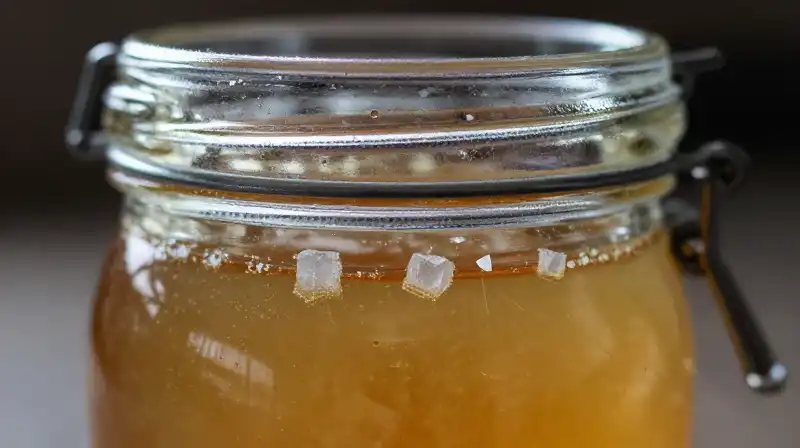
The most frequent “expiration” myth relates to crystallization. Honey naturally transitions from a liquid to a crystalline solid as the free glucose concentration changes over time and temperature fluctuates. This is not spoilage; it is simply a change in the internal structure of the sugar.
- Does it spoil? No.
- How to fix it? The crystallized honey can be easily returned to a liquid state by placing the jar in a warm bowl of water (not boiling) and gently stirring. Do not use heat directly on the honey itself.
- Quality impact: The flavor remains unchanged.
Accumulation of HMF
Over prolonged periods, even high-quality honey can undergo minor chemical transformations, resulting in the accumulation of compounds like HMF (5-hydroxy-methyl-furfural). This is a natural byproduct of heat and exposure to light over time. While HMF is a chemical indicator of some chemical stability, its presence is rarely dangerous and is more of a signal that the honey has been stored for a very long period rather than a sign of microbial decay.
Identifying Genuine Spoiled Honey
While honey is chemically stable, it can be compromised. If you suspect your honey is actually spoiled or contaminated, ignore the date and test the following signs:
- Foaming: A sudden, persistent foamy texture on the surface of the honey, often accompanied by a sweet but slightly off smell. This can indicate fermentation or bacterial activity.
- A Strong Alcohol Odor: A pronounced, sharp alcoholic smell suggests fermentation has occurred.
- Mold or Discoloration: Any visible fuzz (mold) or extreme, unnatural discoloration is a definitive sign of spoilage.
- Improper Packaging Degradation: If the plastic container has been compromised or leaching foreign substances, this could affect quality and safety.
Storage and Handling Recommendations
Proper storage is the single most effective action you can take to maximize the shelf life of your honey and preserve its quality.
Optimal Storage Environment
The ideal place for honey is any cool, dry, and dark cabinet. These conditions ensure the integrity of the honey and prevent it from absorbing odors or sugars from the surrounding environment.
- Airtight Containers: Always keep the jar tightly sealed to prevent moisture exchange or contamination.
- Avoid Direct Heat: Never store honey near ovens, stovetops, or windows where direct sunlight can cause accelerated chemical changes.
- Limit Humidity: Although pure honey resists moisture, excessive humidity in the storage area can potentially encourage other contaminants in the environment.
Final Synthesis: The Takeaway
To summarize the determination of whether honey expires or goes bad:
- Is it safe to eat? Yes, if it is pure, unprocessed honey and has been properly stored in a cool, airtight location, it will remain microbiologically safe for an indefinitely long time.
- Does it “expire”? It technically has an internal “Best Quality” date, but this date is a recommendation, not a safety deadline.
- What is the warning? Do not confuse crystallization (natural) with spoilage (bad). Only discard honey if it develops visible mold, smells strongly of alcohol, or exhibits an unexplained foamy texture.
By understanding that the dates on the label relate to quality optimization rather than the absolute limit of safety, and by maintaining clean, dry storage conditions, you can enjoy your honey safely and for the longest possible time.
How to Store Honey Properly
Select Optimal Location
Place the honey in a cool, dry, and dark cabinet to ensure its integrity and prevent it from absorbing external odors or sugars.
Seal the Container
Always keep the jar tightly sealed in an airtight container to prevent moisture exchange and contamination.
Avoid Heat Sources
Never store honey near direct heat sources such as ovens, stovetops, or windows where sunlight can cause accelerated chemical changes.
Control Humidity
Maintain a controlled environment by limiting excessive humidity in the storage area.
Related Articles