

How many teaspoons of sugar are in a can of Coke and why you should limit it

Introduction
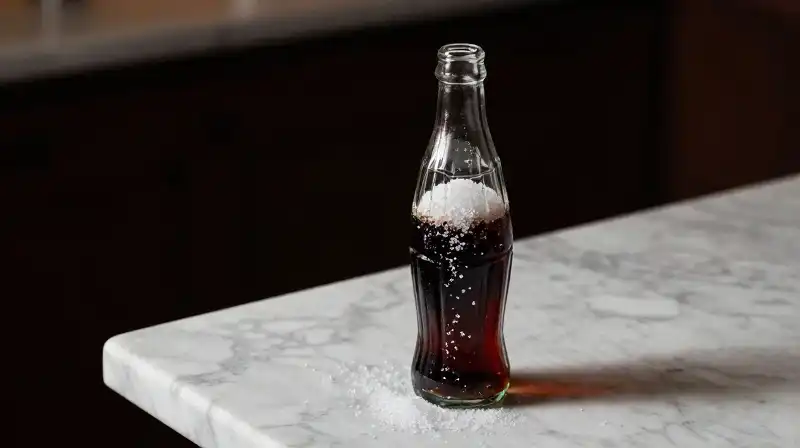
A standard 355ml can of regular Coca-Cola contains 39 grams of added refined sugar, which is equivalent to approximately 10 teaspoons of sugar. This significant concentration of fast-burning carbohydrates is a core element of why beverage consumption is often linked to long-term health risks.
Understanding the precise amount of sugar in a single can is the first step in making informed decisions about dietary intake. While sugar is a source of energy, the quantity present in soft drinks, particularly in routine consumption, is far higher than most daily health guidelines recommend.
Detailed Sugar Content by Drink Size and Variant
The exact sugar content of a Coca-Cola changes depending on the specific size and type of the drink. Consumers must pay close attention to both the volume and whether the product is sweetened with sugar or artificial alternatives.
Standard vs. Zero-Calorie Options
Regular Coca-Cola is heavily sweetened with sucrose, yielding the high amount of sugar detailed above. In contrast, Coca-Cola Zero and other diets utilize artificial sweeteners (such as aspartame or sucralose) and contain zero grams of sugar. However, even these zero-calorie options are not without nutritional debate, as some research suggests they may contribute to changes in glucose tolerance.
Sugar Breakdown by Size
Because the concentration of sugar remains the same, the total grams (and teaspoons) vary proportionally with the serving size. For context, here is how the sugar content compares across common beverage sizes:
- 330ml Can: Approximately 30–35 grams of sugar (around 7-8 teaspoons).
- 355ml Can: Approximately 39 grams of sugar (about 10 teaspoons).
- 500ml Bottle: Approximately 56 grams of sugar (around 14 teaspoons).
Comparing Coca-Cola to Other Popular Drinks
When discussing sugar intake, Coca-Cola is not the only high-sugar culprit. Other popular soft drinks and beverages can exceed the sugar content of a standard Coke. This comparison helps highlight the severity of sugar intake across different beverage categories.
Pepsi and Other Soft Drinks
Regarding the query about Pepsi, a standard can of Pepsi contains a similar amount of sugar to Coca-Cola—approximately 39 grams in a 355ml serving. The difference between major carbonated soft drinks often lies more in their flavoring and perceived taste profile than in their base sugar content.
The Risk from Other Liquid Calories
While soft drinks are often the primary focus, other liquid sources of sugar are significant. For example:
- Large Fountain Drinks: These can contain upwards of 30-36 teaspoons of sugar.
- Energy Drinks: Depending on the brand and size, these often contain massive amounts of sugar alongside caffeine.
- Fruit Juices: While natural, many tropical or orange juices contain high levels of natural sugars (fructose) and lack the fiber found in whole fruit, making them nutritionally similar to soda.
The Mechanism: Why Limiting Sugar Intake is Vital
The primary concern regarding excessive sugar consumption is not the sugar itself, but how the body metabolizes large quantities of refined carbohydrates. Consuming high-sugar drinks frequently forces the body into a constant state of high blood glucose, which triggers a cascade of metabolic changes.Conversion to Fat and Insulin Resistance
When the body receives more sugar than it can immediately use for energy, the surplus is converted into triglycerides, a form of body fat. Over time, consistent high intake contributes to a condition called insulin resistance. In insulin resistance, the cells become less responsive to the hormone insulin, forcing the pancreas to pump out even more insulin to manage the continually spiking blood sugar. This sustained stress on the metabolic system is a precursor to Type 2 diabetes.
Long-Term Health Consequences
Unmanaged, chronic high blood sugar is associated with several serious, long-term health risks, including:
- Obesity and Weight Gain: Due to high caloric density and low nutritional value.
- Heart Disease: Linked to insulin resistance and high triglycerides.
- Kidney Failure: Caused by the sustained strain of high blood pressure and blood sugar.
- Peripheral Neuropathy: Nerve damage resulting from prolonged glucose imbalance.
Navigating the Nuances: Zero Sugar and Acidity
It is crucial to understand that the health impacts are generally tied to the excess consumption of refined sugars and the combination of sugar/acid, rather than the beverage itself. However, there are specific conditions and nuances to consider.The Zero-Calorie Debate
While sugar-free sodas do not contain sugar, their long-term effects are still debated. Some studies suggest that the consistent presence of artificial sweeteners may subtly affect gut bacteria and potentially contribute to glucose intolerance in susceptible individuals. This underscores the need for moderation regardless of the sweetener type.
The Acid Content Factor
Both high sugar and high acid content in soft drinks (which are naturally acidic) are cited in health warnings. Frequent consumption can contribute to dental erosion and may affect digestive health in certain individuals.
Practical Steps for Reducing Sugar Intake
Reducing your dependence on sugary drinks does not require radical changes overnight. Focus on these practical steps to manage your daily intake and mitigate the risks associated with soft drinks:
- Prioritize Water: Make plain water your default beverage for hydration.
- Check the Labels: When opting for fruit juices or flavored drinks, look closely at the nutrition label to identify hidden sugars.
- Portion Control: If you must consume a sugary drink, stick strictly to the standard can size rather than opting for large fountain servings.
- Substitutions: Try sparkling water with slices of lemon, lime, or cucumber to achieve a similar sensory experience without the caloric load.
Frequently Asked Questions
How many spoons of sugar are in Pepsi?
A standard 355ml can of Pepsi contains approximately 39 grams of sugar. This amount is similar to a standard Coca-Cola, which is equivalent to approximately 10 teaspoons of sugar.
How to Reduce Sugar Intake
Prioritize Water
Make plain water your default beverage for hydration.
Check the Labels
When opting for fruit juices or flavored drinks, look closely at the nutrition label to identify hidden sugars.
Portion Control
If you must consume a sugary drink, stick strictly to the standard can size rather than opting for large fountain servings.
Substitutions
Try sparkling water with slices of lemon, lime, or cucumber to achieve a similar sensory experience without the caloric load.
Related Articles