

How Does an A/C Compressor Work? A Step-by-Step Breakdown

Introduction
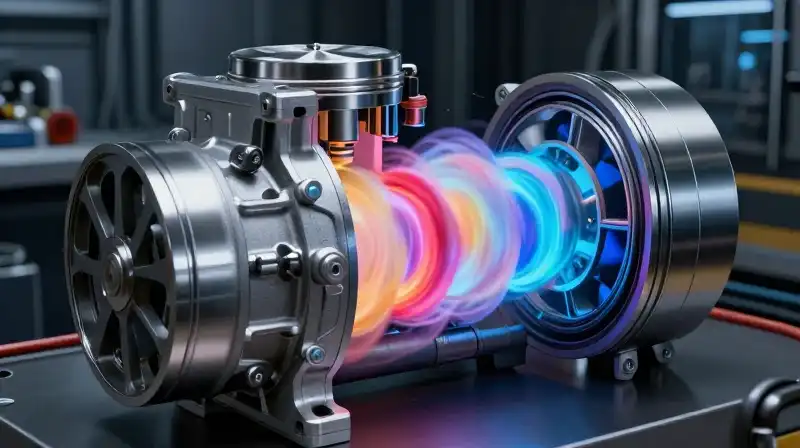
The air conditioner (A/C) compressor is arguably the most critical component in the entire cooling system; it acts as the mechanical heart that drives the entire refrigeration cycle. Its primary function is to convert the mechanical energy supplied by the vehicle’s engine or the house’s power source into the high-pressure gas required to move the refrigerant. Without the compressor, the system remains static, unable to cycle and transfer thermal energy. To understand how an A/C compressor works, one must look beyond its simple casing and examine its role as a pressurized pump, orchestrating fundamental changes in the refrigerant’s state.
The Core Function: Pressure and Phase Change
At its most basic level, the compressor’s operation is a controlled process of compression. It intakes low-pressure, low-temperature refrigerant vapor and squeezes it into a much smaller volume. This mechanical action drastically increases the gas’s pressure. According to the principles of thermodynamics, this rapid pressure increase causes a corresponding and significant rise in the refrigerant’s temperature. This pressurized, hot vapor is then forced into the high-pressure side of the condenser. This is the initiating step of the cycle: the compressor takes a cool gas and turns it into a hot, high-energy fluid, ready to dump its absorbed heat into the outside air.
Step-by-Step Mechanical Operation
To understand the inner workings, the process must be viewed as a series of internal actions:
- Intake and Suction: The compressor draws low-pressure, low-temperature refrigerant vapor from the evaporator (the indoor coil).
- Compression: Using internal mechanisms—typically pistons in reciprocating compressors or scrolls/rotors in rotary compressors—the gas is rapidly compressed.
- Heating and Pressure Increase: As the gas is squeezed, its pressure and temperature climb sharply. This high-pressure state is crucial for the refrigerant to efficiently reject heat in the outdoor condenser.
- Output Discharge: The highly pressurized, hot refrigerant is forcefully discharged into the high-side lines, ready to circulate through the heat exchanger to begin the process of heat rejection.
The entire mechanism is designed to maintain a sealed, closed-loop system, ensuring that the refrigerant travels from the low-pressure intake to the high-pressure output, completing the thermal exchange necessary for cooling.
Internal Components Driving Compression
A modern A/C compressor, whether in a car or a residential unit, relies on several key components to execute its function:
- Compressor Body/Housing: The protective casing that contains the moving parts and seals the system.
- Pistons/Rotors/Scroll: These are the core elements that perform the actual compression. They physically reduce the volume of the gas.
- Valves: These regulate the flow of refrigerant, ensuring it enters and exits the compression chambers at the correct time and pressure.
- Pulley and Clutch (Automotive Systems): In vehicles, the pulley connects the compressor to the engine’s belt, while the clutch engages and disengages the compressor, turning the pump on and off based on A/C demand.
- Lubricating System: The compressor requires specialized refrigerant oil to maintain the integrity of its moving parts and ensure efficient heat transfer.
The Compressor’s Role in the Overall Air Conditioner Cycle
It is vital to recognize that the compressor is not the cooling mechanism itself; it is the *enabler* of the cooling mechanism. The A/C unit functions by moving thermal energy from a cold indoor region to a warmer outdoor region, and the compressor is the pump that facilitates this movement. Here is how the compressor interfaces with the rest of the system:
| System Component | Action | Compressor’s Role |
|---|---|---|
| Evaporator (Indoor Coil) | Absorbs heat from indoor air (Refrigerant absorbs heat and turns to gas). | Re-pressurizes the resulting gas to make it hot enough to discard heat outside. |
| Compressor | Converts mechanical energy to high-pressure thermal energy. | The central driver of the pressure differential that forces the cycle forward. |
| Condenser (Outdoor Coil) | Rejects heat to the surrounding environment (Refrigerant condenses back into liquid). | Provides the high-pressure state necessary for the efficient release of this absorbed heat. |
Diagnosis: Signs of Compressor Failure
Identifying a faulty compressor is critical because the damage is often extensive. Since the compressor is the driving force, its failure typically manifests as a complete lack of pressure and cooling.
The primary symptoms include:
- Consistent Hot Air: Even when the unit is running, the expelled air remains warm or hot, indicating the compressor is not pressurizing the refrigerant.
- Audible Abnormal Sounds: Sounds such as rattling, grinding, or excessive clicking often suggest internal component failure or bearing wear. A rhythmic, characteristic humming is normal, but sharp, metallic noises are a red flag.
- Lack of Cool/Teepid Air: While a leak might cause this, a complete lack of pressure due to a broken compressor yields the same symptom.
A compressor that fails to compress gas adequately is the direct cause of hot air coming from the indoor unit. In many cases, significant compressor damage requires replacing the entire AC unit rather than just the component, due to the complex nature of the sealed system and refrigerant charge.
Maintaining Compressor Longevity
The operational life of a compressor is generally estimated to be between 10 and 15 years, but this lifespan is heavily dependent on maintenance and usage conditions. Proactive care significantly extends its operational life.
To ensure longevity and proper function, consider these maintenance points:
- System Inspection: Regularly check for external signs of damage or excessive wear.
- Coil Cleaning: Keeping both the indoor evaporator and outdoor condenser coils clean is paramount. Dirty coils force the compressor to work harder and operate under inefficient thermal conditions.
- Proper Installation: The quality of the initial system installation and the correct use of specified refrigerants are critical factors in preventing premature failure.
- Avoid Abuse: Running the A/C system continuously in extremely hot environments without allowing for adequate cooling periods can put undue strain on the compressor.
Practical Synthesis: When to Seek Professional Help
While monitoring performance and ensuring the surrounding coils are clean can prevent many issues, diagnosis of a faulty A/C compressor is highly specialized. Because the system is a closed loop and requires precise pressure testing, most users should treat persistent lack of cooling as a signal for a technician.
The following conditions require professional intervention:
- When air from the vents is consistently hot despite the system running.
- If you detect unusual mechanical noises (ticking, clattering, grinding).
- If you suspect a refrigerant leak that may have contributed to inadequate compression.
Proper system maintenance ensures that the mechanical energy conversion process remains efficient, allowing the compressor to perform its vital task: maintaining the temperature differential between the inside and outside for maximum comfort.
Frequently Asked Questions
How does an AC compressor work step by step?
The compressor draws low-pressure, low-temperature refrigerant vapor and uses internal mechanisms to rapidly compress it. This mechanical action causes the gass pressure and temperature to climb sharply, forcing the highly pressurized, hot refrigerant into the high-side lines.
How to Maintain AC Compressor Longevity
System Inspection
Regularly check for external signs of damage or excessive wear.
Coil Cleaning
Keeping both the indoor evaporator and outdoor condenser coils clean is paramount to ensuring efficient heat transfer.
Proper Installation
Ensure the quality of the initial system installation and the correct use of specified refrigerants to prevent premature failure.
Avoid Abuse
Do not run the A/C system continuously in extremely hot environments without allowing for adequate cooling periods, as this puts undue strain on the compressor.
Related Articles