
Why Batteries Corrode: Causes, Symptoms, and How to Prevent Damage

Introduction
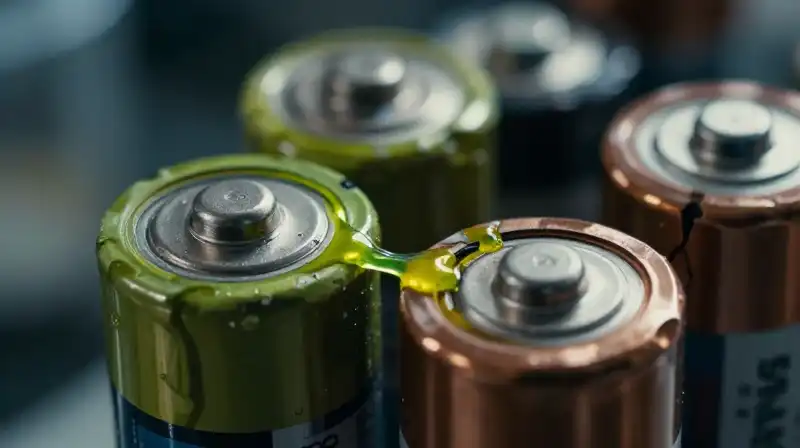
Battery corrosion is not merely a sign of degradation; it is a chemical failure resulting in the buildup of corrosive compounds that can destroy electronics and compromise vehicle performance. While often misunderstood as simple acid leakage, battery corrosion—especially in alkaline types—is typically caused by the formation of strong bases or salts that destabilize the internal chemistry. This process is fundamentally driven by self-discharge and the pressure of gases accumulating within the cell over time.
Understanding why this happens allows you to properly diagnose the issue, whether you are dealing with a vehicle battery or a delicate electronic device. The resulting white or blue, crumbly residue poses a chemical hazard and acts as an electrical insulator, preventing proper function and accelerating damage to sensitive components.
Understanding Battery Corrosion Mechanisms
To grasp why batteries corrode, it is vital to understand the chemical shift occurring inside the casing. In typical alkaline batteries, the primary components are designed to maintain a stable chemical environment. When this stability is lost, leakage occurs.
The core mechanism involves several chemical reactions:
- Self-Discharge and Gas Production: As a battery slowly loses voltage through normal self-discharge, the internal chemical equilibrium shifts. This slow process can generate gases inside the sealed cell, increasing internal pressure.
- Base Formation: This internal pressure forces corrosive substances out. Unlike the common assumption, the resulting leakage is often not sulfuric acid. Instead, in many alkaline batteries, the corrosion material consists of a strong base, such as potassium carbonate or potassium hydroxide, which is highly corrosive.
- Oxidation: Once these bases or salts contact the exterior metal terminals (like copper or brass), they initiate a rapid oxidation reaction. This reaction creates the characteristic ashy residue and chemically attacks the terminal itself.
Why Batteries Corrode: Storage Versus Usage
Battery corrosion can stem from two primary scenarios: long-term storage (time-based) or improper operational use (usage-based).
The Effect of Storage and Age
When batteries are left in devices for extended periods, often exceeding four weeks, the self-discharge rate allows the internal chemistry to degrade significantly. This is particularly true if the batteries are exposed to extreme conditions. High temperatures (above 130°F) dramatically accelerate chemical breakdowns, while low temperatures can slow the process but still allow for slow degradation.
The average lifespan of a battery is typically three to five years, after which natural aging makes corrosion more likely. Furthermore, batteries damaged or cracked before storage can allow external moisture or substances to initiate corrosion at the terminals, regardless of their operational history.
The Impact of Over and Undercharging
In vehicle applications, misuse during charging is a major trigger for corrosion. The state of charge relative to the charging process dictates where the corrosion manifests:
- Overcharging: When a battery is pushed beyond its capacity—often due to faulty alternators or incorrect charging processes—excess heat and chemical stress lead to corrosion, typically appearing on the positive terminal.
- Undercharging: When a battery is used for periods of heavy discharge (such as short trips without letting the engine fully charge it) or left draining, the lack of sufficient charge can also promote corrosion, often seen on the negative terminal.
Identifying Symptoms and Risks
The symptoms of battery corrosion manifest visually and functionally, depending on whether the battery is in an electronic device or a complex system like a vehicle.
Visual and Physical Symptoms
Corrosion typically appears as:
- A crumbly, ashy, or powdery residue (usually white or bluish-white) around the battery terminals.
- Discoloration of the metal casing itself.
- Physical deterioration or pitting of the terminal material.
Functional Consequences
The presence of this residue introduces significant functional problems. In both automotive and electronic contexts, the corrosion acts as an electrical barrier:
For Vehicles: In car batteries, corrosion hinders the flow of electricity, leading to poor engine performance, fluctuating headlights, failure to start, or unreliable function of onboard electronics (like backup cameras or HVAC systems). In severe cases, internal chemical buildup can lead to localized heating or dangerous short-circuit conditions.
For Electronics (Toys, Gadgets): When corrosive leakage reaches the PCB (Printed Circuit Board) traces, the bases or salts cause severe oxidation. This increases electrical resistance, destroying delicate device leads and causing permanent, irreversible failure.
How to Treat and Prevent Corrosion Damage
If corrosion is discovered, prompt action is necessary. Treatment involves removal and neutralization; prevention requires proper storage and maintenance.
Cleaning and Neutralizing Corrosion
Because the corrosion is often a base (like potassium hydroxide), it must be neutralized with a mild acid:
- Safety First: Wear gloves and eye protection. Corrosive materials can cause chemical burns.
- Scrape and Brush: Carefully use a non-metallic tool (like a plastic scraper) to remove the bulk of the powdery residue. Use an old toothbrush to gently clean the affected terminals.
- Neutralize: Apply a mild acid solution, such as white vinegar or lemon juice, to the cleaned areas using a cotton swab. The acid will react with and neutralize the alkaline residue.
- Dry Thoroughly: It is crucial to allow the device or battery compartment to dry completely before installing a new, clean battery. Residual moisture can lead to rapid re-corrosion.
Note: If the corrosion has already seeping into the circuitry of a delicate electronic device, the damage may be too severe for simple cleaning and replacement, potentially requiring professional repair.
Preventative Storage and Best Practices
To prevent corrosion from starting in the first place, adopt these habits:
- Long-Term Storage: If a device or vehicle will not be used for more than a month, the batteries must be removed. Storing alkaline batteries in a cool, dry environment (ideally between 30°F and 70°F) is essential.
- Maintain Balance: Never mix different types of batteries or only replace some of a series. This imbalance accelerates internal degradation and uneven discharge.
- Vehicle Care: When maintaining a car, avoid abrupt acceleration and unnecessary stopping, as this ensures the electrical system can maintain proper charging cycles, reducing the risk of undercharging and terminal corrosion.
Synthesis: Protecting Your Devices and Systems
Preventing battery corrosion is a proactive process of managing chemistry and environment. The key takeaway is that the white, ashy residue you observe is rarely just ‘acid’; it is often a base formed through the internal chemical stress of self-discharge or improper charging. For electronics, removal and neutralization with vinegar is a viable first step, but severe penetration into the circuitry is often terminal. For vehicle owners, regular inspections and proper charging habits are the most effective deterrent. By adhering to strict storage conditions and understanding the chemical nature of the corrosion, you can significantly extend the lifespan of your batteries and protect your sensitive devices from failure.
Frequently Asked Questions
Why do batteries corrode when not used?
Battery corrosion is fundamentally driven by self-discharge and the accumulation of gases within the cell, leading to a destabilization of internal chemistry. This process typically results in the formation of strong bases or salts that then oxidize the metal terminals upon contact with the exterior.
How to Clean and Neutralize Battery Corrosion
Wear Safety Gear
Wear gloves and eye protection, as corrosive materials can cause chemical burns.
Remove Residue
Carefully use a non-metallic tool (like a plastic scraper) to remove the bulk of the powdery residue. Then, use an old toothbrush to gently clean the affected terminals.
Neutralize the Corrosion
Apply a mild acid solution, such as white vinegar or lemon juice, to the cleaned areas using a cotton swab. The acid will react with and neutralize the alkaline residue.
Dry Thoroughly
Crucial to allow the device or battery compartment to dry completely before installing a new, clean battery to prevent rapid re-corrosion.
Related Articles