
The Burnout Car Explained: Why Its Used and How to Perform It

Introduction
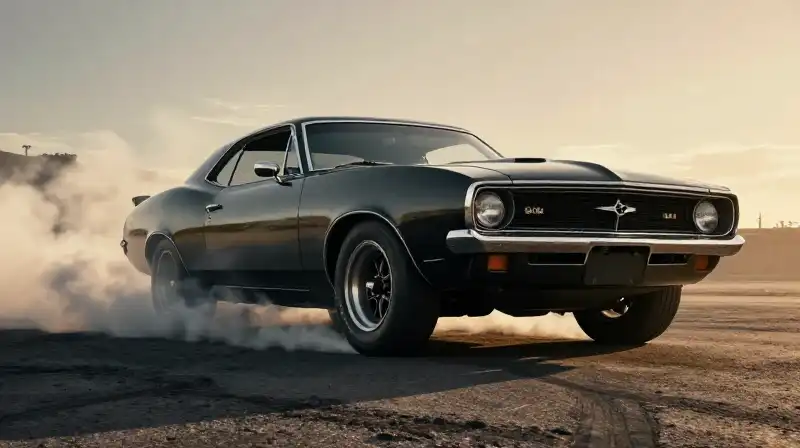
A burnout is the act of intentionally spinning a vehicle’s wheels while it remains stationary or moving very slowly. While often perceived as a theatrical display of automotive power, the term refers to a precise mechanical action that generates extreme heat and friction. A “burnout car” refers to any vehicle capable of sustaining this maneuver, whether it is a specialized stunt vehicle or a high-performance track machine. Understanding what is a burnout car requires looking beyond the smoke and recognizing the dual function of the maneuver: it can be an intense performance optimization technique or a purely aesthetic demonstration of engine power.
The Purpose: Why Perform a Burnout?
The rationale behind executing a burnout varies dramatically depending on the context. Its function is not monolithic, differentiating between practical, highly technical applications and purely demonstrative, lifestyle activities.
Performance Optimization in Racing
In professional racing, particularly drag racing, the burnout serves a critical, measurable function. When performed correctly, it is used to rapidly elevate the temperature of performance tires (such as slicks). This intense friction softens the tire’s rubber compound, making it extremely pliable. A properly heated tire exhibits superior adhesion to the road surface, resulting in the maximum static friction necessary for a powerful and effective launch from a standstill. In this context, the goal is achieving optimal grip to maximize speed.
Aesthetic Display and Celebration
Outside of competitive racing, the burnout is frequently utilized as a form of competitive entertainment or celebratory gesture. Drivers may use the maneuver to impress spectators, showcase a vehicle’s powerful motor, or mark a successful finish. In this role, the function is less about maximizing traction for racing and more about the visual impact and the sheer display of a car’s capabilities.
The Mechanics: How the Burnout Occurs
Technically, a burnout occurs when the torque delivered by the engine exceeds the maximum available static friction between the tire and the road. The tires begin to slip and spin, losing forward motion while the engine continues to push rotational force onto the ground. This continuous slippage is the root cause of the maneuver.
The primary byproduct of this high-speed slippage is friction. The energy is converted into heat, causing the rubber compound to rapidly warm up. As the temperature rises significantly, the volatile compounds within the rubber begin to break down, which is what causes the visible smoke. The process gradually burns off tire material, changing the tire’s surface characteristics.
Executing the Burnout: Technical Guidance
Executing a burnout requires careful management of the vehicle’s power delivery and ability to control wheel spin while remaining stationary. The required method varies significantly depending on the drivetrain.
Front-Wheel Drive (FWD)
For FWD vehicles, the system relies on one driven wheel. To prevent the car from actually rolling, the driver must engage the parking brake. This locks the opposite wheel and uses the parking brake to counteract the rotational force of the driving wheel, allowing the wheel to spin freely until maximum heat and smoke are achieved.
Rear-Wheel Drive (RWD)
RWD requires more finesse. The driver must simultaneously manage throttle input and brake pressure. By maintaining a slight braking force while applying power, the driver can balance the spinning rear wheel and maintain a stationary position, allowing the drive wheel to spin up while the vehicle remains pinned to the ground.
Automatic vs. Manual Operation
In an automatic transmission, the maneuver is often initiated by placing the car in Drive (D) and applying aggressive throttle while maintaining the necessary braking or counter-locking (depending on the vehicle setup). In a manual transmission, the driver must manage the clutch to disengage the engine’s physical link to the wheels while the engine is still running, allowing the wheels to spin without moving the car until traction is lost.
Challenges with All-Wheel Drive (AWD)
AWD and four-wheel drive (4WD) systems present the greatest challenge. Since torque is distributed across all four wheels, the system’s inherent ability to manage grip makes initiating a clean, controlled burnout significantly more difficult than on RWD or FWD systems.
Crucial Considerations: Legality and Safety Risks
While burnouts are an exciting display of automotive performance, the practice involves significant risks that must not be ignored. These risks are both environmental and legal.
Legal and Regulatory Limits
Performing burnouts on public property is strictly illegal in the vast majority of jurisdictions. These laws are in place due to safety concerns, noise pollution, and property damage. Drivers must only perform this maneuver in designated private areas or controlled professional events. Failure to comply can result in substantial fines and the potential confiscation of the vehicle.
Environmental and Physical Hazards
The burning of rubber is not merely an aesthetic choice; it is a chemically active process. The resulting fumes can release pollutants, posing health risks to those in the vicinity. Furthermore, the process degrades the tire’s structure and composition, shortening the tire’s lifespan and reducing its structural integrity, making the vehicle less safe for regular road use after the practice.
Summary and Practical Precautions
To effectively execute a burnout—whether for a performance boost or a show—the driver must first ensure the vehicle is capable of overcoming its own mass and natural grip with sufficient engine power. It is essential to approach the maneuver with a clear understanding of the mechanical requirements for your specific drivetrain. The key takeaway is that the burnout is a high-risk, high-heat application of engine torque. Always prioritize safety, operate within legal boundaries, and understand that the impressive display comes with legitimate physical and environmental costs.
Frequently Asked Questions
What is the point of a burnout car?
The purpose of a burnout car maneuver is dual: it functions as an intense performance optimization technique or a purely aesthetic demonstration of engine power. In racing, it is used to rapidly heat tires to maximize grip and achieve the most effective launch, while outside of competition, it serves as a gesture to showcase a vehicles capabilities.
How to Execute a Burnout Maneuver
Ensure Vehicle Capability
Verify that the vehicle has sufficient engine power to overcome its mass and the natural grip of the tires.
Identify Drivetrain Type
Determine the vehicle's drivetrain (Front-Wheel Drive, Rear-Wheel Drive, or All-Wheel Drive) as the required technique varies significantly.
Executing FWD Burnout
Engage the parking brake to lock the opposite wheel and use the parking brake to counteract the rotational force, allowing the driven wheel to spin freely.
Executing RWD Burnout
Simultaneously manage the throttle and maintain slight braking pressure to balance the spinning wheel and maintain a stationary position while the drive wheel spins up.
Executing Automatic Burnout
Place the car in Drive (D) and apply aggressive throttle while maintaining the necessary braking or counter-locking, depending on the vehicle setup.
Executing Manual Burnout
Manage the clutch to disengage the engine's physical link to the wheels while the engine is running, allowing the wheels to spin without moving the car until traction is lost.
Adhere to Safety and Legal Limits
Always perform the maneuver in designated private areas or controlled professional events to avoid illegal activity, fines, and the environmental hazards associated with rubber burning.
Related Articles