Fingerprint Lifespan: What Dictates How Long They Last

Introduction
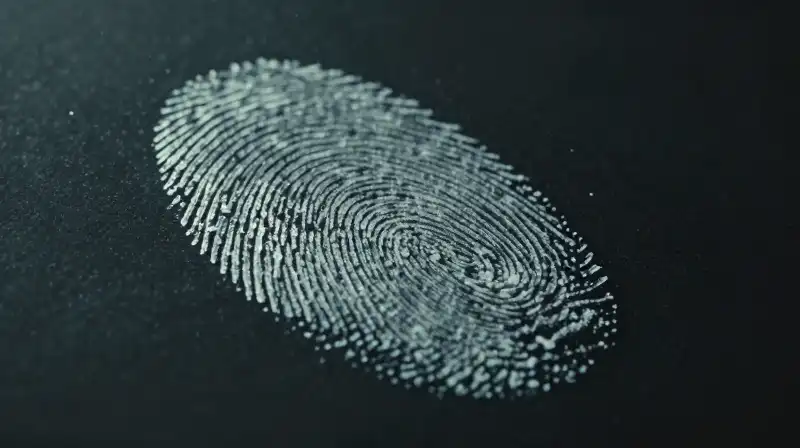
The lifespan of a fingerprint is not determined by a single clock but by a complex chemical and physical interaction between the deposit material and the surface it rests upon. Unlike a permanent mark, latent fingerprints—those left behind without visible ink—are composed of nonvolatile secretions from the skin, primarily oils. These organic residues are constantly subject to degradation. Whether a print persists for minutes or decades depends entirely on the nature of the substrate, the quality of preservation, and the environmental history of the object. While the core answer is highly variable, the central factor dictating longevity is whether the surface is porous, non-porous, or semi-porous.
The Influence of Substrate Type
The physical structure of the material is the primary determinant of a latent print’s endurance. Surfaces are categorized based on their ability to absorb and retain the oils from the skin.
Porous Surfaces (Paper, Fabric, Cardboard)
On porous materials, such as paper, cloth, or unsealed wood, fingerprints typically degrade quickly. These surfaces allow the oily residue to spread and dry rapidly into the capillaries of the material. Without specific chemical development techniques, the oils usually become invisible within minutes to a few hours. The structural integrity of these surfaces is too weak to reliably maintain the impression detail over long periods.
Non-Porous Surfaces (Glass, Sealed Plastic, Polished Metal)
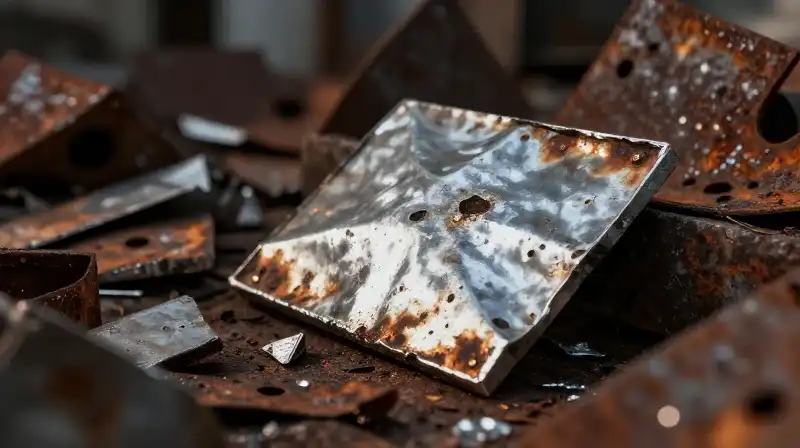
Non-porous, smooth materials—including glass, stainless steel, sealed plastics, and polished metal—are the best candidates for print longevity. Because these surfaces do not absorb the oil, the residue remains on the surface in a stable layer, much like a grease spot. When kept undisturbed and protected from contaminants, fingerprints on these surfaces can persist for weeks, months, or even years.
Semi-Porous Surfaces (Painted Wood, Certain Fibers)
Semi-porous materials present a mix of retention and decay. While the oils may be partially absorbed, allowing for long-term preservation, they often maintain only partial print detail. The rate of decay here is highly dependent on the paint’s composition and sealing methods, generally degrading over hours to several weeks.
The Chemistry of Fingerprint Residue
The longevity of a print is also dictated by the specific composition of the skin oils themselves. Different secretions affect evaporation rates and resistance to chemical breakdown.
Fingerprints are a composite of several types of natural secretions. The most enduring components are often the sebaceous oils—those rich in lipids and organic compounds found mainly at the fingertips. These oils are less volatile, meaning they resist evaporation, allowing the residue to maintain its chemical integrity longer.
Conversely, prints rich in eccrine oils (sweat, which contains water and salts) are subject to faster physical changes. The presence of water allows for quicker evaporation and dissipation, reducing the amount of residue available for detection within a shorter timeframe.
Environmental Factors and Decay
Environmental conditions act as a constant agent of degradation for any organic residue. Exposure to the wrong elements can rapidly destroy a fingerprint, regardless of the material’s porosity.
- UV Light: Ultraviolet exposure and sunlight break down the organic components of the residue, causing the lipids and oils to fade and become chemically unstable over time.
- Moisture and Humidity: High levels of moisture, such as heavy rain or high ambient humidity, can facilitate the breakdown of the residue, making it susceptible to microbial growth and subsequent erosion.
- Temperature Fluctuations: High temperatures accelerate the rate of evaporation and chemical oxidation, speeding up the deterioration of the oils.
- Contamination: Airborne dust, heavy airflow, and aggressive cleaning agents or cleaning chemicals can abrade the fine ridge detail or chemically strip the oils from the surface.
Addressing Common Practical Scenarios
The varying lifespan of prints leads to several common questions regarding their persistence in specific contexts.
Can Fingerprints Last 30 Years?
While extremely rare and contingent upon ideal preservation, prints can theoretically last for decades. This is most plausible on highly stable non-porous surfaces (like sealed metal) when the environment is meticulously controlled—stable temperatures, low humidity, and total protection from light, cleaning, and abrasion. If the print has suffered any form of physical or chemical exposure, its viability decreases exponentially.
How Do Prints Last on Specific Items?
Understanding how long fingerprints last on specific materials requires balancing the material’s porosity with its surface finish:
| Material Type | Typical Persistence | Reason |
|---|---|---|
| Paper / Unfinished Cloth | Minutes to 1 Week | Porous absorption leads to rapid drying. |
| Polished Metal / Glass | Weeks to Years | Non-porous surface retains stable, nonvolatile oils. |
| Painted Wall / Sealed Plastic | Hours to Weeks | Semi-porous absorption and surface sealing. |
| Wet Paint / Blood (Temporary Fluids) | Minutes to Hours | High volatility and liquid evaporation. |
Forensic Recovery and Preservation
The successful retrieval of a fingerprint often hinges on matching the development technique to the print’s age and the surface characteristics.
- Immediate Handling: The most effective way to prevent print loss is to avoid aggressive handling or cleaning. Touching the surface with your bare fingers transfers new residues, obscuring the original print.
- Development Techniques: Different techniques are needed for different ages. For very fresh prints (within hours) on non-porous surfaces, simple dusting or chemical enhancement may suffice. For older, latent prints, specialized chemical reagents (such as powders or fuming) are required to react with and highlight the organic oils remaining on the substrate.
- Optimal Storage: To maximize the chance of recovery decades later, evidence must be stored in a dry, stable environment, away from sunlight, temperature extremes, and potential contamination.
Final Synthesis: Managing Print Longevity
The longevity of any latent fingerprint is a function of its history, not merely its physical deposit. To understand how long a fingerprint lasts, one must ask: *What is it on, and what has happened to it?* The critical variables are:
- Material: Non-porous substrates offer maximum persistence.
- Environment: Stable, dark, and dry conditions are essential.
- Composition: Prints rich in sebaceous oils have a longer intrinsic life than those with high levels of eccrine sweat.
Understanding these chemical and physical criteria allows for informed decisions regarding preservation or the potential window of forensic recovery.
Frequently Asked Questions
Can fingerprints last for 30 years?
Fingerprints can theoretically last for decades, but this is extremely rare and contingent upon ideal preservation on highly stable non-porous surfaces. Such longevity is most plausible when the environment is meticulously controlled with stable temperatures, low humidity, and total protection from light, cleaning, and abrasion.
Do fingerprints eventually disappear?
Fingerprints are constantly subject to degradation, meaning they eventually disappear, though this process is highly variable. Whether a print persists for minutes or decades depends on the substrate, the quality of preservation, and the environmental conditions, such as porosity and exposure to UV light or moisture.
Guide to Fingerprint Preservation and Forensic Recovery
Immediate Handling
To prevent print loss, avoid aggressive handling or cleaning. Transferring new residues by touching the surface obscures the original fingerprint.
Selecting Development Techniques
Match the development method to the print's age and surface characteristics. Use simple dusting for very fresh prints on non-porous surfaces, and specialized chemical reagents for older, latent prints.
Optimal Storage
Store evidence in a dry, stable environment, ensuring it is protected from sunlight, temperature extremes, and any potential contaminants to maximize recovery chances.
Related Articles