How Shaving Cream Works: The Science of Softening and Glide

Introduction
Shaving cream does more than simply lubricate the skin; it is a sophisticated chemical preparation designed to modify both the skin’s surface and the hair itself. The primary function is to ensure a smooth, friction-free glide for the razor while simultaneously preparing the facial hair for clean removal. Understanding how does shaving cream work requires breaking down its dual purpose: creating a cushion and a hydrating, softening layer. The cream functions as an emulsion—a mixture of oils, water, soaps, and surfactants—that works in tandem with your razor to minimize irritation, prevent nicks, and facilitate an easier shave.
The Dual Mechanism: Lubrication and Cushioning
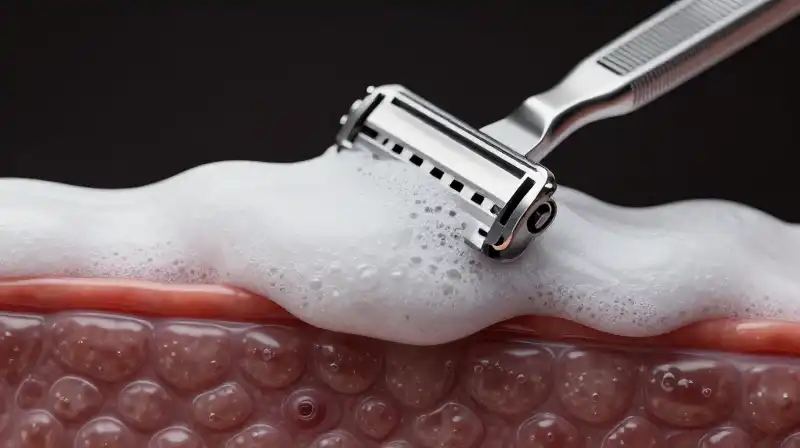
The most immediate and visible function of shaving cream is lubrication. This is achieved by reducing the coefficient of friction between the moving razor blade and the skin.
A traditional shave involves a blade moving across the dermis, which can lead to micro-tears and significant irritation. Shaving cream transforms this interaction in several ways:
- Friction Reduction: By forming a slick barrier, the cream allows the razor to glide over the surface rather than cutting into the skin, which dramatically reduces the likelihood of razor burn.
- Skin Cushioning: The thick layer of cream acts as a physical buffer. Instead of the razor striking the sensitive skin directly, the cream “cushions” the blow, distributing the pressure evenly across the skin’s surface.
- Preventing Clogs: The lubricating properties of the cream help lift the cut hair and debris away from the blade, ensuring the razor remains functional and doesn’t quickly clog with cut hair.
How Shaving Cream Softens Facial Hair
Beyond simply sliding over the skin, shaving cream actively works to break down the structure of the hair. This softening process is essential for a clean shave and relies on two key factors: hydration and chemical composition.
As the cream comes into contact with the beard, it facilitates a process of moisture absorption. The hair, when dry, is stiff and resilient. The ingredients in the cream help the hair absorb water, softening the hair shaft and making it far easier for the blade to slice cleanly rather than pulling or tugging.
The surfactants and mild soaps found in most formulations contribute to this softening effect. These ingredients lift the hair slightly away from the skin and help dissolve natural oils and residues on the hair shaft, allowing the blade to penetrate and cut at an angle that minimizes pulling.
Understanding Shaving Cream Formulas
Shaving creams are not monolithic. The form and chemical structure of the preparation dictate how it behaves and what experience it offers.
Lather-Forming vs. Latherless Creams
The difference between these two types lies primarily in the presence and concentration of soap and surfactants.
| Type | Composition | Application/Benefit | Best For |
|---|---|---|---|
| Lather-Forming | Contains surfactants and soaps that react with water to create foam. | Provides a dense, protective barrier and a sensory foaming experience. | Traditional shaves requiring maximum cushioning and high coverage. |
| Latherless (Brushless) | Oil-in-water mixture; generally lacks soap ingredients. | Provides intense lubrication and moisture without creating foam, keeping the shave clear. | Those who prefer mess-free application or need visibility during the shave. |
Aerosols and Alternatives
Aerosol shaving creams are essentially highly diluted, pressurized versions of traditional creams, utilizing hydrocarbon propellants for easy application. While effective for travel, they are less concentrated than tube creams.
It is important to note that many products marketed as “shaving cream” are, fundamentally, sophisticated soaps. If you prefer a minimalist approach, high-quality body wash or even warm water can achieve significant lubrication, though they lack the specialized cushioning and hair-softening benefits of a dedicated cream.
Practical Considerations: Cream vs. Blade Quality
A common misconception is that the quality of the shave depends entirely on the cream used. While the cream provides the necessary environment, its effectiveness has limits.
Experts suggest that while a high-quality, properly maintained razor blade is the most critical factor for a successful shave, the cream determines the comfort and preparation. A superior cream maximizes the razor’s potential. However, even the richest lather cannot compensate for a dull blade.
If you find that even the best preparation results in nicks, the priority must shift to evaluating blade sharpness and technique. The cream’s job is to make the cut easy; the blade’s job is to execute the cut cleanly.
Addressing Common Shaving Concerns
Users often have specific doubts regarding the effects and safety of shaving creams:
- Does shaving cream remove hair? No. The cream is a preparation that facilitates the razor’s work. It softens the hair and reduces friction so the blade can cut the hair more efficiently, but it does not contain hair removal agents.
- What are the side effects of shaving cream? Generally, when used as intended, shaving cream does not have negative side effects. Irritation or razor burn usually occurs when the cream is insufficient, the blade is dull, or the technique is too aggressive.
- How does it affect my skin? Most formulations include ingredients designed to moisturize the skin while shaving. By preventing the skin from having to fight excessive friction, the cream minimizes dryness, redness, and bumps.
Summary of Best Practices for Shaving
Achieving an optimal shave relies on combining the chemical benefits of the preparation with careful technique. Use this checklist to decide on your best method:
- Assess Your Skin/Hair: If you have sensitive skin, choose a gentle, hypoallergenic, or non-lather formula to avoid irritation.
- Prioritize Lubrication: For maximum comfort and protection against cuts, use a thick, high-quality lather.
- Consider Visibility: If you prefer a clear view of where you are shaving (useful for complex areas), choose a latherless or oil-based formulation.
- Don’t Neglect the Tool: Always pair your chosen cream with a sharp, high-quality razor to ensure the preparation translates into a smooth result.
- Rinse and Follow Up: Always rinse the cream thoroughly and apply a soothing, hydrating aftershave to lock in the skin benefits of the preparation.
How to achieve an optimal shave
Assess Skin and Hair Type
If you have sensitive skin, choose a gentle, hypoallergenic, or non-lather formula to avoid irritation.
Prioritize Lubrication
For maximum comfort and protection against cuts, use a thick, high-quality lather.
Consider Visibility
If you prefer a clear view of where you are shaving (useful for complex areas), choose a latherless or oil-based formulation.
Use a Sharp Razor
Always pair your chosen cream with a sharp, high-quality razor to ensure the preparation translates into a smooth result.
Rinse and Follow Up
Always rinse the cream thoroughly and apply a soothing, hydrating aftershave to lock in the skin benefits of the preparation.
Related Articles