Why Do Your Ears Squeak When Blowing Your Nose? Causes and Fixes

Introduction
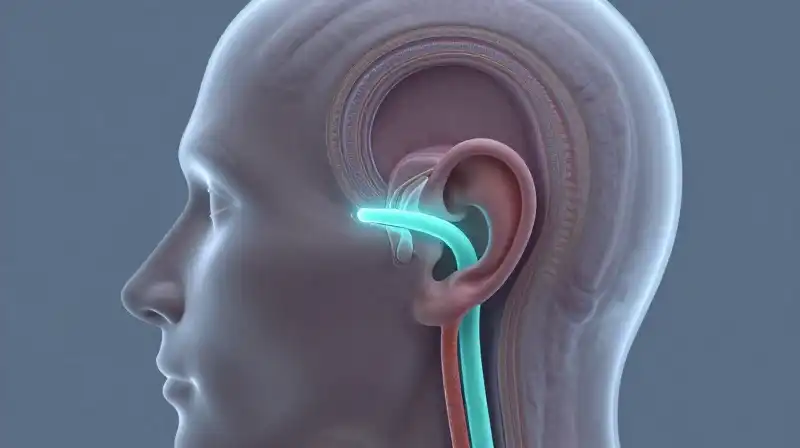
If your ears make a squeaking or whistling sound specifically when you blow your nose, it is fundamentally a pressure phenomenon. This noise is not typically an indication of a permanent ear condition, but rather a mechanical reaction to rapid air movement. As you blow your nose, air is rapidly expelled from your nasal passages. A delicate tube, known as the Eustachian tube, connects your middle ear to the back of your throat, regulating the air pressure in the ear. When the pressure change is sudden or uneven, some of the forceful air from the nose can flow into or vibrate within this system, creating the distinctive high-pitched squeaking sound.
How Pressure Changes Create the Sound
The squeaking sound occurs because the forceful expulsion of air from your nose temporarily disrupts the equilibrium within your ear. The inner mechanism of the ear consists of complex membranes and small bones designed to withstand stable pressure. When air rushes through the partially blocked or vibrating parts of the Eustachian tube and the middle ear cavity, it creates a miniature vibration.
This vibration is the noise. Since the middle ear is filled with air, this transient movement produces a temporary sound, which is why the squeaking usually stops almost immediately once you cease blowing your nose and the pressure equalizes. It is important to note that this sound is often a minuscule internal vibration and may not be audible to anyone standing near you.
Underlying Causes of Ear Pressure Imbalance
While the sound itself is a pressure event, the *likelihood* of it occurring is often determined by the health and function of the surrounding tissues. Excessive or unusual squeaking can be a symptom of underlying issues, particularly related to the Eustachian tube’s ability to perform its primary function of pressure equalization.
Eustachian Tube Dysfunction (ETD)
ETD is a common cause of both the pressure imbalance and the potential for a louder squeak. This dysfunction occurs when the tube fails to open and close properly. Common factors that trigger ETD include:
- Sinus Congestion and Inflammation: Allergies, colds, or sinus infections can cause swelling in the tissue around the Eustachian tube, physically obstructing it.
- Mucus Buildup: Excessive mucus or fluid accumulation can block the tube’s passage, leading to pressure buildup in the middle ear.
- Persistent Swelling: Chronic inflammation makes the pressure regulation process inefficient.
Other Contributing Factors
Beyond ETD, several other scenarios can increase the likelihood of a whistling or squeaking sound:
- Forceful Nose Blowing: Exhaling air with excessive force can create uneven pressure in the middle ear, significantly increasing the risk of damage.
- Blocked Ear Canals: When the ear canal is partially blocked by earwax or mucus, the sudden shift in pressure during nose-blowing can intensify the resulting sound.
- Earwax Impaction: A blockage in the outer ear can also contribute to strange acoustic sensations when pressure changes occur internally.
Managing the Noise and Preventing Damage
The primary goal when experiencing ear squeaking after blowing your nose is to reduce the sudden influx of air and alleviate the underlying pressure. Avoiding harsh practices is the most critical step in preventing damage to the ear structure.
Immediate Techniques
To minimize the squeaking sound and protect your eardrum during a bout of congestion, follow these tips:
- Gentle Blowing: Always blow your nose gently and slowly. Do not attempt to blow forcefully.
- One Nostril at a Time: Blow through one nostril at a time and then alternate. This directs the airflow and reduces the chance of extreme, sudden pressure changes.
- Stay Hydrated and Use Steam: Drinking plenty of water and inhaling steam (such as from a hot shower) helps to thin the mucus, making it easier to clear the nasal passages without excessive force.
Addressing Underlying Congestion
If the squeaking is persistent, it suggests the underlying cause—usually ETD—needs broader management:
| Action | Purpose | When to Use |
|---|---|---|
| Saline Nasal Rinses | To mechanically clear mucus and inflammation. | During sinus congestion. |
| Allergy Management | To reduce chronic inflammation that causes ETD. | If you have a history of allergies or seasonal congestion. |
| Decongestants (Consult a Pharmacist) | To temporarily shrink swollen tissues in the nose and Eustachian tube. | Short-term relief for severe congestion. |
Recognizing High-Risk Scenarios and Warning Signs
While temporary squeaking is usually harmless, extreme pressure changes can pose a risk, and persistent noise can indicate a serious issue. Understanding these limits is essential for timely medical care.
Risk of Eardrum Rupture
Excessive and forceful nose-blowing significantly increases the internal pressure within the middle ear. This pressure can, in rare cases, lead to a rupture of the eardrum (tympanic membrane). If this occurs, the eardrum can eventually heal and regrow, though some minor damage may result. Therefore, limiting force is a crucial safety measure.
When to Seek Medical Attention
If the squeaking or whistling sound changes quality, persists for days, or is accompanied by other symptoms, it is no longer a benign pressure event and requires an Ear, Nose, and Throat (ENT) specialist evaluation. Seek immediate care if you experience:
- Acute Pain or Discomfort: Sharp ear pain that is not related to sinus pain.
- Sudden Hearing Loss: A sudden, significant drop in auditory function, especially coupled with persistent noise.
- Fluid Drainage: Any discharge (clear, yellow, or bloody) from the ear.
- Severe Dizziness (Vertigo): This may indicate significant pressure imbalance or fluid in the inner ear.
A Note on Tinnitus vs. External Sounds
It is important to distinguish the “squeaking” from tinnitus. Tinnitus is a constant or intermittent internal perception of sound (ringing, buzzing, clicking) that does not originate from external objects or activities. When you hear a squeak *only* during the act of blowing your nose, it is generally attributed to the external mechanical action. If you hear a high-pitched squeak regardless of nasal activity, it may be a manifestation of tinnitus, which is often linked to earwax impaction or middle-ear issues.
Synthesis: Prioritizing Ear Health
To summarize, the squeaking ear sound when blowing your nose is a physiological side effect of rapid air pressure change disrupting the middle ear mechanism. The most effective strategy is prevention: maintain gentle blowing habits and use steam and rinses to clear underlying congestion. If the noises are constant, painful, or if you notice accompanying hearing loss, treat the symptom not as a passing noise, but as a diagnostic sign requiring professional medical assessment to rule out ETD, infection, or permanent eardrum issues.
How to Minimize Ear Squeaking from Nose Blowing
Blow Gently
Always blow your nose gently and slowly; do not attempt to blow forcefully.
Alternate Nostrils
Blow through one nostril at a time and then alternate to direct the airflow and reduce extreme pressure changes.
Use Hydration and Steam
Drink plenty of water and inhale steam from a hot shower to thin the mucus, making it easier to clear the nasal passages without excessive force.
Related Articles