Penguins: The Science of How They Survive Extreme Cold

Introduction
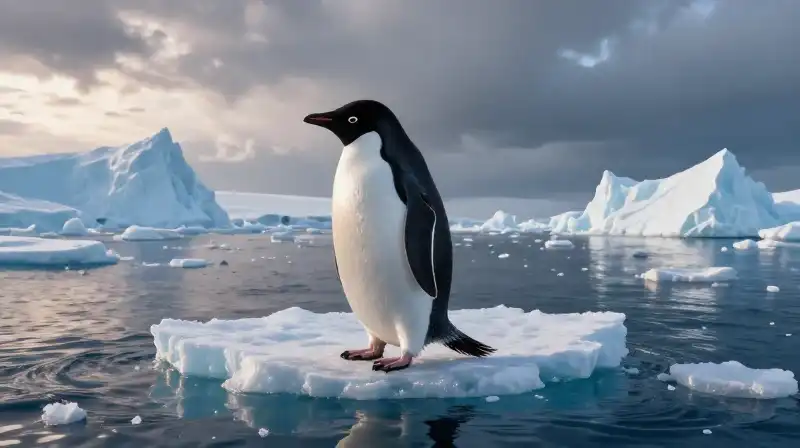
Penguins do, in fact, experience extreme cold in their native environments, ranging from the frigid waters of Antarctica to the misty shores of warmer sub-Antarctic islands. However, the question of whether they “get cold” requires nuance; they do not succumb to freezing, and their physiological systems are remarkably adept at managing the constant threat of hypothermia. Penguins have evolved a suite of sophisticated biological adaptations that allow them to maintain a warm core temperature while their extremities—particularly their exposed feet—are constantly exposed to sub-zero temperatures. They are not designed to ignore the cold, but rather to manage it with immense metabolic and circulatory precision.
The Primary Defense: Circulatory Heat Management
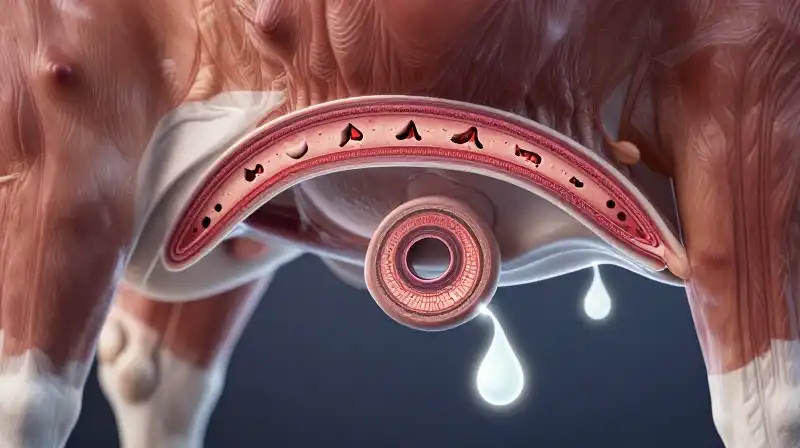
The core strategy penguins use to combat extreme cold is highly controlled blood flow, a mechanism fundamentally similar to vasoconstriction observed in humans, but perfected for extreme survival. Penguins control the diameter of their arterial vessels, effectively regulating how much warm blood reaches the vulnerable peripheral tissues. To prevent heat from escaping when blood is slowed, penguins utilize a specialized structure known as the countercurrent heat exchanger, located predominantly in the legs and flippers. This system operates through the following process:
- Warm arterial blood flows from the core toward the feet.
- It comes into close proximity with the cold venous blood returning from the feet.
- Heat is transferred directly from the warm outgoing blood to the cold returning blood before the heat is lost to the environment.
This efficient exchange ensures that by the time the arterial blood reaches the toes, it is significantly cooled, preventing chilling and protecting tissues, while simultaneously warming the blood before it cycles back to the heart. This system minimizes overall heat loss from the extremities, keeping the feet just above freezing without requiring a massive energy expenditure to maintain constant, high temperatures.
Advanced Thermoregulation: Heterothermy and Energy Conservation
While maintaining a high, constant body temperature is metabolically expensive, some penguins employ a more strategic approach to energy conservation known as heterothermy. Heterothermy is the ability to vary internal body temperature, which is a critical adaptation for surviving long, resource-scarce winters. In certain circumstances—such as when inactive, resting in cold conditions, or after consuming cold food—some penguin species can voluntarily reduce their internal body temperature. Studies have shown that certain chicks can reduce their body temperature by as much as 15.7°C. This controlled reduction in internal heat production allows the penguins to drastically conserve vital energy. For large species like the King penguin, where extreme physiological shifts are usually harder to achieve, this ability is a profound evolutionary advantage, ensuring survival through long periods of minimal activity.
Behavioral Strategies Against Cold
Physiology is not the only defense; penguins also employ highly specific behavioral techniques to manage their heat loss, especially when stationary on ice or snow.
One key behavioral adaptation involves their posture. Emperor Penguins, for instance, often hunch over. This posture allows their denser feathers and their belly to cover their legs, drastically reducing the surface area of the feet exposed to direct cold air. They also minimize contact with the ground by rocking onto their heels, which serves to lift their webbed feet off the freezing ice and snow for periods of time, limiting conductive heat loss.
Furthermore, while primarily a comfort mechanism, huddling among groups of penguins is also observed in juveniles. This communal behavior is an effective microclimate management strategy, trapping body heat within the group and providing both thermal and protective benefits.
Climate Variation: From Cold Antarctic to Warm Shores
The circulatory heat exchange mechanism is not merely a cold-weather adaptation. This system is a versatile evolutionary tool for managing thermal balance across various environmental extremes.
In freezing environments, the circulation contracts and manages heat retention. Conversely, in species that live in warmer climates, such as some Galápagos Penguin populations, the heat exchange system operates in reverse. In these warmer conditions, their blood vessels expand and blood flow increases, allowing them to dissipate excess body warmth effectively and prevent overheating—a testament to the highly refined and dual purpose of their circulatory system.
Practical Synthesis: How Penguins Prevent Freezing
The key to understanding penguin survival is shifting focus from the absolute temperature of their environment to the efficiency of their energy management systems. They do not resist the cold through massive, continuous heat generation; instead, they manage it through a sophisticated interplay of systems:
| Adaptation Type | Mechanism | Function |
|---|---|---|
| Circulatory | Countercurrent Heat Exchanger | Minimizes heat loss from feet to environment. |
| Physiological | Heterothermy/Vasoconstriction | Controls blood flow and lowers body temp for energy savings. |
| Behavioral | Huddling and Posture Changes | Reduces surface area exposure and conserves heat locally. |
Penguins remain robust and survive extreme cold because their bodies are energy conservation machines. By utilizing sophisticated circulation to shield vulnerable areas and employing controlled temperature regulation to save energy, they maintain vital functions without the costly continuous effort of heating every single exposed cell. They are perfectly adapted to exist within a state of intense environmental cold.
How the penguin's circulatory system manages extreme cold
Start Warm Arterial Flow
Warm arterial blood flows from the core toward the feet.
Proximity Exchange
The warm arterial blood comes into close proximity with the cold venous blood returning from the feet.
Heat Transfer
Heat is transferred directly from the warm outgoing blood to the cold returning blood before the heat is lost to the environment.
Related Articles