

What is Malt Vinegar? Definition, Production, and Uses

Introduction
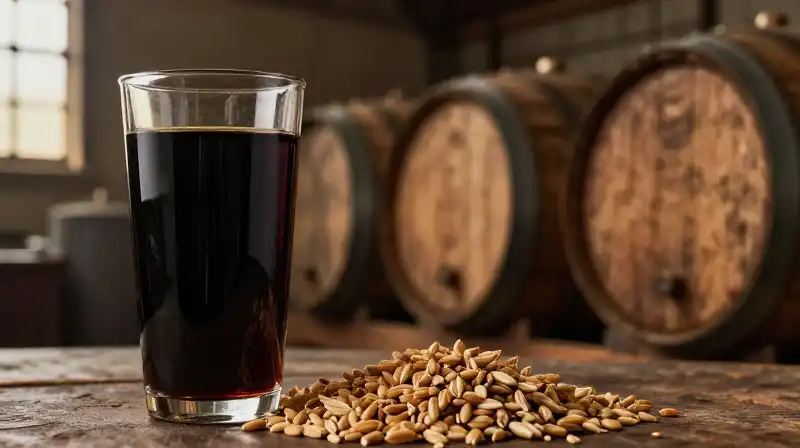
>Malt vinegar is a specialized vinegar derived from malted barley, recognized primarily for its distinctive tartness and complex flavor. Unlike standard white or cider vinegar, it carries unique notes of nuttiness, subtle caramel, and a bright, lemony tang due to its brewing heritage. It is widely considered a staple in British and Canadian culinary traditions, serving as a potent flavor enhancer in savory dishes. The vinegar is not merely a strong acid but a fermented product, making its profile distinct from non-brewed alternatives.
The Brewing Process: How Malted Vinegar is Made
Malt vinegar production follows a specific multi-stage process that transforms simple grain into a complex acidic condiment. The journey begins not with vinegar, but with a form of beer.
Malting the Barley
The process starts with barley grains, which are first “malted.” Malting involves soaking the grain, sprouting it (germination), and then drying it. This transformation converts the starches in the grain into maltose, or “malt sugar.” Malt itself is the foundational ingredient in the brewing phase.
Fermentation and Aging
The resulting malt is then brewed into an ale. This ale undergoes a controlled double fermentation. The crucial step is the aging process, where specific bacteria are introduced. These bacteria facilitate the conversion of ethanol within the ale into acetic acid—the compound that gives vinegar its characteristic sour taste. This aging process is what gives malt vinegar its depth of flavor.
Flavor Profile and Characteristics
Malt vinegar offers a flavor profile far more nuanced than typical sharp vinegars. > Unlike sharply acidic varieties, malt vinegar balances strong tartness with savory, toasted background notes. This unique combination—nutty, lemony, and caramel—allows it to complement a wide range of ingredients. Its strong acidity also makes it highly effective for the preservation and seasoning of produce, making it a versatile tool in a kitchen.
Culinary Uses for Malt Vinegar
Malt vinegar serves several primary roles in cooking, extending beyond its traditional use on fish and chips.
Savory Topping and Seasoning
Its most common use is as a finishing condiment. It is frequently poured over oily fish, particularly when paired with chips, to cut through richness and add a sharp, complex contrast.
Pickling and Preservation
Due to its high acidity, malt vinegar is an effective agent for pickling. It is used to preserve and flavor various fruits and vegetables, from traditional British pickles to tangy pickled onions.
Dressings and Marinades
The vinegar’s ability to complement sweet elements makes it useful in various liquid preparations:
- Salad Dressings: It mixes well with various oils (like olive or rapeseed oil) to create bright, tangy dressings.
- Marinades and Brines: It is a core component of brines for meats, providing a deep, savory undertone while tenderizing the protein.
- Chutney Bases: Its acidity balances sweetness in homemade chutney sauces.
Common Questions About Malt Vinegar
Readers often have specific questions regarding the nature of the vinegar, its limitations, and alternatives.
What is a Substitute for Malted Vinegar?
If malt vinegar is unavailable or if you are looking for a different flavor profile, the best substitute depends on the application:
- For flavor profile: A high-quality sherry vinegar or a slightly sweeter cider vinegar can mimic the tartness, though you will lose the specific malt/caramel notes.
- For pickling/acidity: Apple cider vinegar provides a similar high acidity, though it will be noticeably less complex.
Is Malt Vinegar Alcoholic or Does It Contain Gluten?
Malt vinegar is a byproduct of brewing, which means it has trace amounts of residual alcohol from the aging process, but it is not intended to be consumed as a beverage. Regarding ingredients, it is important to note that malt vinegar is not considered gluten-free. Since its base ingredient is malted barley (a type of wheat), it contains gluten.
What is the Difference Between Non-Brewed Vinegar and Malt Vinegar?
The primary distinction lies in the source and production. Non-brewed vinegars (like white vinegar or plain balsamic) are typically fermented directly from grapes, apples, or grain without the extensive “ale-to-vinegar” brewing stage. Malt vinegar, conversely, is an aged byproduct of an ale; its unique, complex flavor comes directly from the specific transformation of malted grains.
Practical Precautions and Quality Notes
When using malt vinegar, it is essential to understand its practical limits and optimal application.
Due to its strong and acidic nature, malt vinegar should be used as a finishing flavor, not as a primary cooking liquid that needs to be cooked down. When preparing sauces, adding it near the end of the cooking process or utilizing it as a marinade ensures the full flavor is retained.
For optimal flavor, quality varies based on aging and sourcing. Traditional regional producers use time and method to ensure the deepest flavor, making “double fermentation” a key indicator of quality. If you are incorporating it into a recipe where you need to control acidity (like a baking recipe), use it in small amounts, as its flavor profile is much stronger than standard vinegars.
Summary of Use and Selection Criteria
Malt vinegar should be viewed not just as an acidic agent, but as a savory, flavor-enhancing ingredient rooted in brewing science.
| Attribute | Description | Application |
|---|---|---|
| Flavor Profile | Tart, nutty, lemony, and caramelized. | Finishing condiment for savory dishes. |
| Origin | Malted barley, produced via ale fermentation. | Traditional British/Canadian cuisine. |
| Gluten Status | Contains gluten (derived from malted grains). | Avoid in gluten-restricted diets. |
| Primary Use | Enhancing the savory depth of paired foods. | Fish and chips, chutneys, and brine. |
Frequently Asked Questions
What is a substitute for malted vinegar?
For mimicking the flavor profile, a high-quality sherry vinegar or a slightly sweeter cider vinegar can be used, although these will lack the specific malt/caramel notes. For pickling or acidity, apple cider vinegar provides a similar high acidity but will be noticeably less complex.
What is the difference between non-brewed vinegar and malt vinegar?
The primary distinction lies in source and production: non-brewed vinegars are typically fermented directly from grapes, apples, or grain without the extensive ale-to-vinegar brewing stage. In contrast, malt vinegar is an aged byproduct of an ale, and its complex flavor results from the specific transformation of malted grains.
How to Make Malt Vinegar
Malting the Barley
Soak the barley grains, allow them to sprout (germination), and then dry them. This process converts the grain's starches into maltose, or malt sugar.
Brewing the Ale
Brew the resulting malt into an ale.
Fermentation
Subject the ale to a controlled double fermentation.
Aging and Aciding
Introduce specific bacteria during the aging process. These bacteria facilitate the conversion of ethanol into acetic acid, giving the vinegar its characteristic sour taste.
Related Articles