

Sirloin vs. Ribeye vs. Filet Mignon: Which Cut Is Best?

Introduction
Choosing a steak often revolves around a simple question: what kind of experience are you looking for? Whether you prioritize the velvet-like texture of a premium tenderloin or the robust, smoky richness of heavy marbling, the “best” cut—Filet Mignon, Ribeye, or Sirloin—is entirely dependent on your culinary goals.
These three major beef cuts represent distinct regions of the animal and contain vastly different levels of muscle usage, intramuscular fat (marbling), and connective tissue. Selecting the right option means balancing tenderness, bold flavor, and budget. Here is a detailed breakdown of how these cuts compare across quality, taste, and utility, helping you decide which steak fits your needs.
Detailed Cut Profiles
Filet Mignon (Tenderloin)
Derived from the tenderloin, this cut originates from a central, relatively inactive area of the animal’s profile. Because the muscles in the tenderloin are minimally exercised, Filet Mignon is renowned for its extreme tenderness. It is typically lean and features very low marbling, which provides a subtle, delicate flavor profile. This leanness makes it the ideal choice for those who want the most “melt-in-your-mouth” experience. Because its natural fat content is low, it requires precise cooking to ensure it doesn’t dry out, and its mild flavor often benefits from external enhancements like sauces or bacon wraps.
Ribeye (Rib Section)
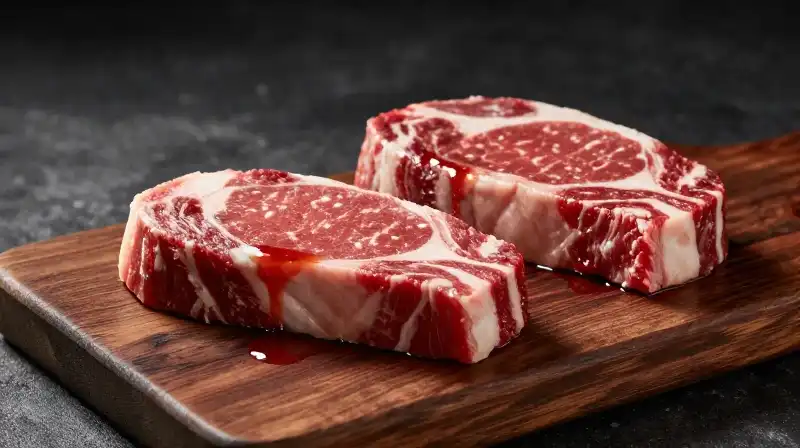
The Ribeye cut is harvested from the rib section of the cow and is famous for being the largest and fattiest of the major cuts. It boasts significantly higher levels of marbling than either the Filet or Sirloin. This intramuscular fat is the primary driver of its robust and intense flavor; when cooked, it melts, basting the meat with a rich, buttery taste and imparting a juicy, decadent texture. Ribeye is the undisputed choice for flavor intensity and is particularly well-suited for high-heat cooking methods like grilling or pan-searing, which helps develop a flavorful crust.
Sirloin (Hip Section)
Sirloin cuts are generally located along the hip area of the animal. Unlike the delicate Filet or the intensely marbled Ribeye, Sirloin offers a highly versatile middle ground. It provides a strong, meaty flavor combined with a respectable level of tenderness, positioning it as an excellent balance between premium cuts and economical options. Sirloin is categorized into sub-sections (like Top Sirloin or Bottom Sirloin) to meet specific consumer preferences. It is highly adaptable and works equally well on the grill or in various cooking preparations, offering a satisfying experience without the extreme price point of filet or the excessive fat of the ribeye.
Comparative Analysis: Which Steak to Choose?
The primary difference between these cuts lies in their muscle usage and fat distribution, directly impacting their flavor and texture. To help navigate these differences, consider the following comparative table:
| Cut | Primary Origin | Defining Characteristic | Optimal Culinary Use |
|---|---|---|---|
| Filet Mignon | Tenderloin (least used muscle) | Extreme tenderness, very lean, subtle flavor | Fine dining, light sauces, medium-rare perfection |
| Ribeye | Rib Section | Highest marbling, robust and fatty flavor, juicy | Grilling, high-heat searing, bold flavor preference |
| Sirloin | Hip/Rear | Versatile, balanced flavor and tenderness, great value | General grilling, pan-frying, broader culinary applications |
Decision Guide: When to Buy Each Cut
The concept of “best” in steak is highly subjective. Instead of a single winner, here is a guide based on what you want from your meal:
- Prioritizing Tenderness Above All Else? Choose Filet Mignon. If your top priority is a supremely soft, almost buttery texture and a subtle flavor profile, the Filet is the correct choice. It is the best option for those seeking a delicate, refined culinary experience.
- Prioritizing Robust Flavor and Juiciness? Choose Ribeye. If you crave a bold, rich, and intensely savory flavor, Ribeye’s abundance of marbling is unmatched. This is the steak for those who love the decadent, fatty taste of high-quality beef.
- Prioritizing Value and Versatility? Choose Sirloin. For consumers looking for a dependable steak that delivers strong flavor and good tenderness without the significant cost premium of the other two, Sirloin is the highly versatile and economical choice.
Practical Selection Criteria and Cooking Considerations
Understanding Marbling and USDA Grading
When purchasing, understanding marbling—intramuscular fat—is essential for setting expectations. High marbling (common in Ribeye) leads to a juicy, richer texture. The USDA grading system (Prime, Choice, Select) helps consumers quantify this quality. Prime beef indicates the highest level of marbling and expected tenderness, whereas lower grades indicate less fat and a more uniform, leaner structure. This external grading is your best indicator of the cut’s quality, regardless of whether it is a Filet, Ribeye, or Sirloin.
Avoiding Common Steaks Errors
Each cut has specific requirements to avoid becoming overcooked or dry:
- Filet Mignon: Because it is lean and highly prized for its tenderness, it should be cooked quickly and precisely (rare to medium-rare) to preserve its “buttery” texture and prevent it from drying out.
- Ribeye: While its fat provides moisture, overcooking can cause the external fat to become dry or crunchy. Using a high-heat sear (like a cast-iron pan or grill) allows the internal fat to render while protecting the core tenderness.
- Sirloin: This cut benefits from thorough cooking compared to the Filet, but even it should be cooked quickly (medium or medium-well) to maintain its juiciness and versatile texture.
Final Synthesis
To conclude, there is no universal “best” steak; there is only the steak that best suits your flavor preferences and cooking style. If you seek elegance and unparalleled tenderness, the Filet Mignon is your answer. If your palate demands rich, bold flavor and high fat content, Ribeye is the premium choice. And if you want a robust, balanced, and economical option for everyday meals, Sirloin provides that perfect intersection of quality and value.
By assessing your priorities—tenderness versus taste intensity versus budget—you can confidently select the steak that transforms your next meal.
Frequently Asked Questions
Which is best, sirloin, ribeye or fillet?
The article specifies that there is no universal best cut, as the ideal choice depends on the consumers culinary goals. Filet Mignon is best for extreme tenderness, Ribeye is best for robust flavor and juiciness, and Sirloin offers a versatile and economical balance of flavor and value.
Related Articles