

Shaken vs. Stirred: When to Use Which Technique in Cocktails

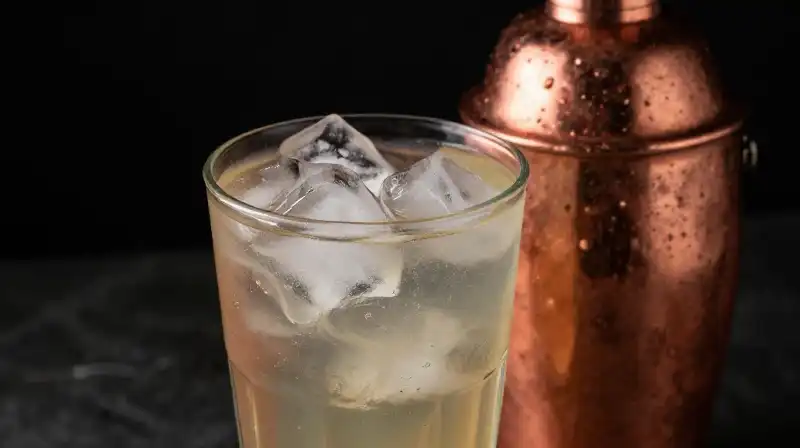
Introduction
The distinction between shaking and stirring is more than a debate—it is a foundational principle of cocktail craft. While both methods successfully combine ingredients, they fundamentally alter the structure, temperature, dilution, and final flavor profile of a drink. The choice between these two techniques is entirely dependent on the cocktail’s composition and the desired sensory experience.
In essence, shaking provides a vigorous, aerated, and cold emulsion, ideal for drinks that require citrus or eggs. Stirring, conversely, is a measured, gentle process that preserves the liquid’s smoothness and allows the character of the base spirit to remain the undisputed focus.
The Chemistry of Preparation: How Shaking and Stirring Differ
Understanding the physical difference between the methods reveals why specific ingredients dictate a specific technique. Shaking involves high-speed, forceful agitation, which drives oxygen into the drink and rapidly introduces small amounts of melted ice into the liquid. Stirring, by contrast, involves a controlled rotation and gentle introduction of temperature through a cold metal spoon, without the violent disruption of aeration.
Here is a functional breakdown of how each method interacts with your ingredients:
- Shaking: Aeration and Emulsification. The intense movement breaks down ice rapidly, leading to faster chilling and dilution. It is the only technique capable of emulsifying non-alcoholic ingredients like fresh citrus juice, eggs, or cream, blending them into a unified, often cloudy texture.
- Stirring: Preservation and Chill. Stirring uses the consistent, gentle motion of cold liquid and ice chips to chill the cocktail. It minimizes the intake of air and keeps the ice intact, resulting in a smoother, denser consistency that preserves the distinct spirit profile.
Decision Criteria: When to Shaking vs. When to Stir
While cocktail culture often proposes a “rule” based on ingredient types, the decision-making process should focus on the desired texture and preservation of flavor. Use the following guidelines to select the appropriate method:
| Method | Primary Goal | Ideal Ingredients | Example Cocktails |
|---|---|---|---|
| Shaking | Chill quickly, aerate, emulsify, introduce froth. | Citrus juices, egg whites, cream, dairy, fruit purees. | Margarita, Daiquiri, Whiskey Sour |
| Stirring | Chill slowly, preserve integrity, minimize dilution and aeration. | Straight spirits, vermouth, liqueurs (spirit-forward drinks). | Martini, Manhattan, Old Fashioned |
The Spirit-Forward Rule vs. Ingredient Necessity
The common rule holds that you shake drinks with “sour” ingredients and stir drinks made of only alcohol. This remains a highly reliable starting point. If a cocktail relies heavily on non-alcoholic components that must be properly integrated (like a cream-based drink or one containing a lot of juice), shaking is necessary to achieve homogeneity. If the drink’s defining characteristic is its spirit and the addition of other base spirits, stirring is preferred.
Impact on Flavor, Texture, and Dilution Rate
The choice of technique has tangible consequences for the final sip, affecting more than just the visual clarity.
Texture and Mouthfeel: Shaking generates micro-foam and tiny ice fragments, resulting in a lighter, sometimes frothy, and uniformly “softened” flavor profile as the components blend completely. Stirring results in a velvety, denser, and silki texture, allowing the nuanced, complex notes of the primary spirit to stand out sharply against the slight chill of the ice.
Dilution: Shaking guarantees a faster rate of chilling and a more rapid initial rate of dilution due to the higher surface area contact between the liquid and fragmented ice. Stirring controls this process, leading to a slower, more deliberate rate of dilution—a preference for those who enjoy the full, potent flavor of a spirit-forward drink without it becoming watery.
Carbonation: If a drink like a Gin & Tonic requires the maintenance of carbonation, neither shaking nor stirring should be used. These are often referred to as “built” cocktails, served simply over ice to preserve their fizz.
Practical Application: Beyond the Standard Cocktails
Not every preparation begins with a shaking or stirring motion. It is useful to consider these variations:
- Built Cocktails: Drinks served as a mixture (e.g., soda and spirits) are kept carbonated by avoiding agitation.
- On the Rocks: Served over fresh, large ice cubes in a short glass (like a Rocks or Old Fashioned glass). This style keeps the chilling minimal but maintains a dynamic flavor experience.
- Up/Straight Up: Served without ice, typically in stemmed glassware like a coupe or martini glass. This is common for strong, spirit-forward cocktails served neat after chilling.
Whether you use a Boston shaker (a classic two-tin design) or a more complex cobbler shaker (often featuring an integrated strainer and cap), the primary goal remains the same: consistent, controlled motion.
Summary and Best Practice Guidelines
Ultimately, the most refined approach to cocktail making is to treat shaking and stirring as tools, not as dogma. If you are in doubt, the ingredient profile of the liquid should guide your hand.
- Prioritize Flavor Integrity: If the spirit is the star (Martini, Negroni), stir.
- Prioritize Integration: If the drink uses juice, cream, or egg (Sour, Daiquiri), shake.
- Prioritize Texture: Choose shaking for a light, frothy texture and stirring for a dense, velvety mouthfeel.
- Avoid Excessive Agitation: Over-shaking can introduce too much air, leading to excessive dilution and an overly “light” mouthfeel. Over-stirring can result in inadequate chilling, meaning the drink remains too warm to be properly consumed.
Experimental adaptation is encouraged, but applying these principles ensures that the technique you choose enhances, rather than compromises, the recipe you have crafted.
Related Articles