
Scotch vs. Whiskey: Defining the Differences in Origin, Grain, and Taste

Introduction
The term “whiskey” is the broadest designation for a distilled spirit made from fermented grain, typically aged in wood. However, when someone asks for the Scotch whiskey difference, they are usually comparing a specific geographical style to other spirits that share the “whiskey” umbrella. The critical distinction is this: “Whiskey” is a category of spirits, while “Scotch” is a specific, legally defined style that must adhere to strict requirements regarding where and how it is made. A misunderstanding of this distinction is common. Just as a “car” is a category and “Ford” is a specific model, “whiskey” is the category and “Scotch” is a specific regional model. To understand the difference, you must examine the rules of origin, grain selection, and maturation process that separate a robust Scotch from other popular varieties like American Bourbon or Irish Whiskey.
Defining the Terms: Category vs. Origin
The fundamental difference between the broad term “whiskey” and the specific term “Scotch” lies in legal production requirements.
Whiskey (or Whiskey) is a global category encompassing spirits distilled from grain (including corn, rye, wheat, and barley) and aged in wood. It is a functional term for a type of beverage.
In contrast, Scotch is not simply a “type” of whiskey; it is a specific, regulated product that must meet stringent legal criteria. Scotch whiskey is a style that can only be produced within Scotland. This geographic restriction is the single most important determinant of a Scotch’s identity, mandating specific materials and aging periods unique to the Scottish tradition. The spelling itself is a matter of regional preference and origin. “Whisky” is the preferred and legally recognized spelling in Scotland, while “Whiskey” is commonly used in the United States, Ireland, and elsewhere. Regardless of the spelling, the core rules of production define the product.
The Strict Rules of Scotch Whisky Production
To be legally classified as Scotch, a spirit must follow a defined set of guidelines that influence its character and flavor.
- Geographic Origin: It must be distilled and aged exclusively in Scotland.
- Grain: Traditionally, Scotch utilizes malted barley.
- Aging: It requires a minimum aging period of three years in wooden barrels.
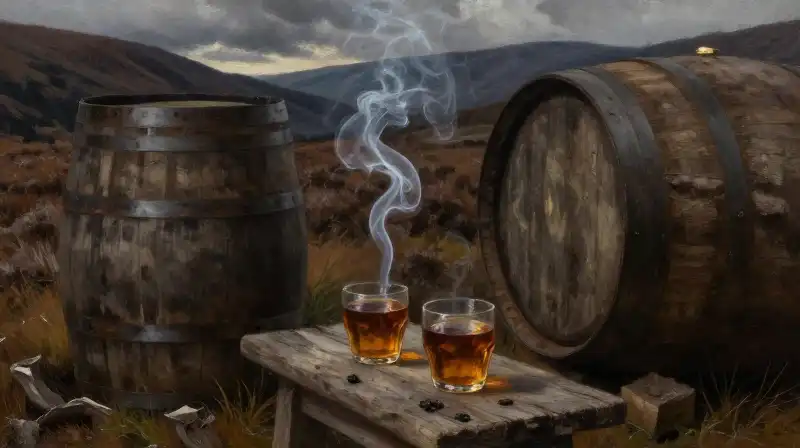
- Production Methods: The process often involves the use of peat, a moss used to fuel kilns. This peat provides the distinctive smoky flavor that is often considered a hallmark of Scotch.
These regulations dictate a consistent flavor profile for a specific origin, but they allow for variation between different distilleries, leading to categories such as Single Malt or Blended Scotch.
Comparing Styles: Scotch vs. Key Whiskey Types
To clarify the Scotch whiskey difference, we can compare Scotch to other major styles like Bourbon and Irish Whiskey.
| Feature | Scotch Whisky | Bourbon (American) | Irish Whiskey |
|---|---|---|---|
| Origin Requirement | Scotland | United States | Ireland |
| Primary Grain | Malted Barley | At least 51% Corn | Various (often barley, oats, or wheat) |
| Aging | Minimum three years in oak; often uses used casks. | Minimum three years in new, charred American oak. | Typically three years, often in traditional small pot stills. |
| Defining Characteristic | Smoke (peat) and complex, often dried, herbal notes. | Sweet, vanilla, and caramel notes due to corn base and new wood. | Smooth and light, often distilled multiple times without peat. |
| This table illustrates that while all three are categorized as “whiskey,” they are legally and chemically distinct products, meaning the difference in grain and geographic origin is fundamental to their flavor. |
Taste Differences and Flavor Profiles
The difference in the *taste* between Scotch and other whiskies is largely a result of two factors: the type of grain used and the cask influence. Scotch Flavor: Scotch typically possesses a richer, more complex, and often drier flavor profile. Depending on whether the distillery uses peat, it can range from subtly smoky and earthy (like Islay) to nutty and light (like Speyside). Because Scotch relies heavily on barley, the flavor tends to be highly nuanced. Bourbon Flavor: Due to the high corn content (51% or more), Bourbon often exhibits sweeter, heavier notes—specifically vanilla, caramel, and brown sugar. The requirement to age in “new, charred” oak heavily contributes to this sweet and spicy character. Rye Flavor: Another American style, Rye Whiskey, uses rye grain instead of corn. This results in a flavor profile that is distinctly spicier, sharper, and bolder than bourbon, providing a dry, spicy kick.
Distinguishing Specific Names: Jack Daniel’s vs. Scotch
Addressing related searches like, “Is Jack Daniel’s a Scotch or whiskey?” reveals the importance of specific identification. Jack Daniel’s is an American whiskey, specifically a high-corn-content Bourbon, produced exclusively in Lynchburg, Tennessee. It is *not* a Scotch. Generalizing this across the board: * A drink made in Scotland using malted barley is Scotch. * A drink made in the USA using a high percentage of corn is Bourbon. * A drink made elsewhere using barley is just a general style of whiskey, unless further restricted. This strict adherence to “where it’s made” is what prevents people from confusing a US product with a Scottish one.
Decision Criteria for Choosing a Whiskey
The differences in origin and process dictate the experience. If you are trying to decide which spirit is “better,” the answer is entirely dependent on the desired flavor profile:
- For smoke and complexity: Choose Scotch, particularly Single Malts that have been exposed to peat.
- For sweetness and sweetness: Choose Bourbon. The corn-based, new oak character provides a rich, dessert-like profile.
- For sharp spice and dryness: Choose Rye Whiskey. The rye content delivers a clean, spicy finish that is less sweet than bourbon.
- For smooth, light drinking: Irish Whiskey often offers a gentler, less aggressive profile due to its multiple distillations.
Summary of Key Distinctions
Understanding the Scotch versus whiskey difference requires accepting that “whiskey” is a broad functional term, while “Scotch” is a highly regulated geographical specialty. The choice between these styles is ultimately a choice in flavor: you can select the sweet corn notes of American Bourbon, the peaty complexity of a Scottish Single Malt, or the clean, spicy kick of Rye, each delivered through precise production methods tied to its regional heritage.
Frequently Asked Questions
Is Jack Daniel's a Scotch or whiskey?
Jack Daniels is an American whiskey, specifically a high-corn-content Bourbon produced in Tennessee, and it is not a Scotch. The article emphasizes that a Scotch must be legally produced within Scotland.
How to choose a whiskey based on flavor profile
Define desired flavor profile
Decide whether you prefer smoke and complexity, sweetness, sharp spice and dryness, or a smooth and light drinking experience.
Choose Scotch
Select Scotch if you are looking for smoke and complexity, particularly Single Malts exposed to peat.
Choose Bourbon
Select Bourbon for sweetness and rich notes, derived from its corn-based ingredients and aging in new, charred oak.
Choose Rye Whiskey
Select Rye Whiskey if you prefer sharp spice and dryness, as its rye content provides a clean, spicy kick.
Choose Irish Whiskey
Select Irish Whiskey for smooth, light drinking due to its gentle profile and traditional multiple distillation methods.
Related Articles