

Wedding Officiant Defined: Legal Duties, Ceremonial Role, and Requirements

Introduction
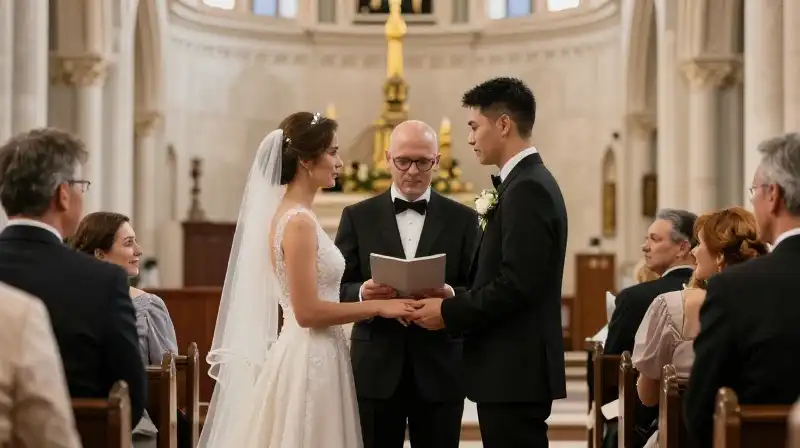
A wedding officiant is the individual responsible for presiding over, conducting, and authorizing the marriage ceremony between two people. While the term is often associated with the creative writing of vows and speeches, the role extends far beyond emotion; legally, the officiant is a critical figure whose primary duty is to witness the mutual consent of the couple and provide the necessary legal validation to make the marriage official. To understand what an officiant does, one must differentiate between the ceremonial aspects—the vows, the rituals, the script—and the legal aspects, which involve administering the marriage license and ensuring the union meets local jurisdiction requirements.
The Dual Role of the Officiant: Legal vs. Ceremonial
The responsibilities of a wedding officiant are inherently dual-layered. They must balance the sacred and personal desires of the couple with the stringent administrative requirements of the state or county.
The Legal Function: Validation and Authorization
The most significant legal duty of the officiant is to ensure the marriage is valid in the eyes of the law. In most jurisdictions, the marriage is not legally binding until the licensed officiant signs the marriage license. This function serves as a legal witness to the mutual consent of the bride and groom. This legal responsibility dictates that an officiant must be appropriately authorized, often requiring ordination or a specific governmental designation. Without the required signature and authentication, the ceremony, regardless of how beautiful or meaningful it was, cannot be legally recognized or recorded by the local county clerk.
The Ceremonial Function: Guiding the Ritual
The ceremonial role focuses on the emotional, spiritual, and creative elements of the wedding. The officiant acts as the master of ceremonies, guiding the couple through the transition into marriage. This function involves:
- **Conduct:** Structuring the entire event, including the procession, the exchange of vows, and the declaration of marriage.
- **Script Customization:** Adapting a predetermined script or creating a wholly original service based on the couple’s personal story, values, and preferences, whether the preference is traditional or deeply casual.
- **Meaning:** Providing reflection, commentary, or jokes designed to create a memorable and meaningful experience that respects the institution of marriage.
Types of Wedding Officiants and Their Authority
The nature of the officiant’s authority is determined by their qualifications. Officiants generally fall into two distinct categories: Civil and Religious.
Civil Officiants
A civil officiant is a government-sanctioned official or a specialized individual granted the legal power to perform ceremonies for legal purposes. Their authority stems directly from a government license and are typically employed by the county or city. Examples of civil officiants often include:
- Justices of the Peace
- Mayors or designated city officials
- Specialized civil celebrants with government-issued authority
Religious Officiants
A religious officiant performs the marriage ceremony based on the doctrines and rites of a specific faith. Their authority is granted by their religious institution. These individuals are equipped to lead services that incorporate religious blessings and adhere to theological traditions. Examples include priests, rabbis, imams, pastors, and ministers. Some non-religious individuals may gain credentials through organizations like humanist groups to serve as humanist celebrants.
The Process of Becoming an Officiant
The decision to become an officiant is often viewed as a significant and serious undertaking, requiring preparation and a clear understanding of the legal requirements in a given region.
Legal and Practical Requirements
The primary requirement for anyone seeking to officiate is authorization dictated by the laws of the country, state, or local government where the wedding will take place. This is not universally standardized, meaning qualifications vary widely. * **Local Certification:** Many local jurisdictions require a specific local license or mandated coursework. * **Religious Ordination:** For religious officiants, this is granted through ecclesiastical bodies and depends entirely on the faith. * **Formal Training:** Seeking professional training is critical to ensure both the ceremonial aspects (like speaking, structure, and flow) and the legal aspects are managed correctly. Comprehensive training ensures that the transition between the symbolic act and the legal document is handled smoothly.
Practical Considerations: Duration and Self-Uniting Marriages
While the general function of an officiant is clear, the execution of the ceremony varies significantly based on the couple’s choices and local customs.
Varying Ceremony Length
The duration of a wedding ceremony is not standardized. It can range from a brief, highly personalized, casual affair of five to ten minutes to a longer, traditional religious service that incorporates elaborate rituals and historical readings. The officiant’s role is to tailor the time to meet the couple’s specific emotional and logistical goals.
The Self-Uniting Marriage Option
Some couples choose a “self-uniting marriage.” This means the marriage is conducted without any third-party officiant. However, even in this scenario, there are stringent legal protocols. Some jurisdictions require the couple to follow a specific state-mandated script or process to legally validate the marriage themselves, while other areas mandate the involvement of a licensed official to act as a witness. It is essential to verify local statutes regarding self-officiation to ensure the union is legally recognized.
Navigating the Decision: Checklist for Choosing an Officiant
When looking for an officiant, couples should evaluate options based on their vision for the day, recognizing that the choice of a celebrant impacts the entire tone of the event.
| Criterion | Focus | Practical Implication |
|---|---|---|
| Legal Standing | Verification of Authorization | Confirm the officiant holds a current, valid license in the specific county where the ceremony will occur. |
| Ceremonial Style | Tone and Personalization | Ensure the officiant’s writing style aligns with the couple’s desired atmosphere (e.g., humorous, solemn, spiritual, or deeply personal). |
| Cultural Fit | Faith and Tradition | For religious ceremonies, verify the officiant’s adherence to the specific doctrines of the chosen faith. |
| Preparation | Pre-Wedding Coordination | A good officiant will conduct extensive pre-ceremony planning, including meeting the couple to gather stories and set expectations. |
Ultimately, securing an officiant is a two-step process: first, ensuring the necessary legal credentials are met to prevent the marriage from being considered void; and second, selecting a person whose ceremonial skills and philosophy genuinely reflect the couple’s hopes and commitment.
How to choose a wedding officiant
Verify legal standing
Confirm that the officiant holds a current, valid license or governmental designation in the specific county or jurisdiction where the ceremony will take place.
Evaluate ceremonial style
Ensure the officiant’s writing style and tone aligns with the couple's desired atmosphere, whether that is humorous, solemn, spiritual, or deeply personal.
Assess cultural and religious fit
For religious ceremonies, verify the officiant’s adherence to the specific doctrines of the chosen faith. Otherwise, ensure the style reflects the couple's traditions.
Confirm preparation and coordination
Evaluate whether the officiant will conduct extensive pre-ceremony planning, including meeting the couple to gather stories and set expectations.
Related Articles