
How Thinning Shears Work to Reduce Hair Bulk and Density

Introduction
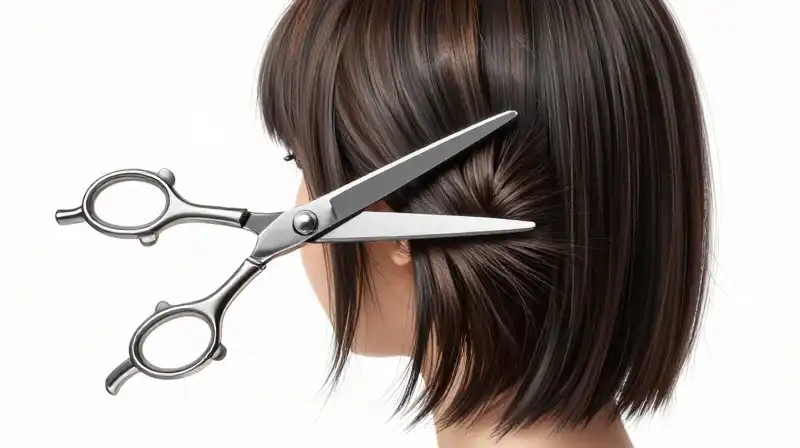
Thinning scissors, often referred to as thinning shears or texturizing shears, are specialized tools designed to fundamentally alter the visual density and weight of a hairstyle without dramatically compromising the overall length. Unlike standard cutting scissors, which cut through the entire thickness of a strand to shorten it, thinning shears use a unique serrated or slotted mechanism to selectively remove bulk. The primary purpose of using these shears is not to create severe, choppy layers, but to strategically reduce hair density, helping overly thick hair appear lighter, more voluminous, and less heavy. Understanding how these tools work is essential for achieving a desired style while preventing unwanted damage or uneven thinning.
The Mechanics of Thinning Scissors
The functionality of thinning scissors relies entirely on the design of their blades. The key difference from regular scissors is the presence of teeth or strategic slots along the cutting edge, which resemble a comb. These teeth do not engage the hair at its full width. Instead, they allow the blades to meet and cut only in the gaps or between the teeth.
When styling thick hair, the scissors are positioned so that the blades only partially penetrate a section of hair. The teeth ensure that a certain portion of the hair—often every other hair—is cut shorter than the rest. Because the hair that is caught within the slots or missed by the teeth remains at its original length, the result is varying lengths within a single section. This selective cutting process is what creates the illusion of thinning; the bulk is removed, allowing light to penetrate the hair more easily, thus making it look less dense.
What Do Thinning Shears Do for Hair Density?
The core benefit of using thinning scissors is managing density. They are most effective when dealing with hair that is naturally very thick or coarse, which can often lead to an overwhelming, triangular, or overly heavy silhouette. By gradually reducing the internal density, the stylist achieves several effects:
- Weight Reduction: Removing the internal mass allows the hair to move and lay more naturally, preventing it from appearing “muddy” or too heavy at the ends.
- Volume Enhancement: While it sounds counterintuitive, reducing bulk often adds perceived volume, especially in areas that are too dense to allow for proper lift.
- Controlling Heaviness: For very thick hair, thinning provides control, ensuring the style remains balanced and does not overwhelm the wearer’s frame.
- Creating Movement: The varied, staggered lengths introduced by the selective cut encourage natural bounce and movement, preventing the hair from looking monolithic.
Addressing Common Concerns and Application Scenarios
A common concern when using thinning shears is potential damage. While the tool is designed for a controlled cut, overuse or improper technique can lead to frizz or a compromised texture. It is important to understand that the scissors are designed to reduce internal bulk, not to drastically shorten the overall style.
Different hair types require different approaches:
- Very Thick Straight Hair: This is the ideal scenario. Thinning shears are excellent here for creating internal lift and reducing visual weight.
- Fine Hair: Thinning shears are generally not recommended for fine or thin hair, as they can make the style look wispy and sparse rather than voluminous.
- Curly or Wavy Hair: Because curls thrive on volume, thinning must be approached with extreme caution. Texturizing curly hair often requires much shorter, targeted cuts rather than broad use of thinning scissors. Over-thinning curls can lead to dryness and a loss of natural curl definition.
- Short Hair: For short hair, the technique focuses on removing the underlying density that can weigh down the style, allowing the shape to be clearer and more defined.
Thinning Shears vs. Texturizing Shears: A Distinction in Intent
While the terms are often used interchangeably in the industry—and the tools are mechanically similar—it is helpful to understand the nuance in their application. Many professionals view the two as having distinct goals:
Thinning Shears (Density Reduction): The primary focus is targeted bulk removal. The goal is structural lightness—to make hair feel less dense. The effect is localized density reduction.
Texturizing Shears (Structure Manipulation): This is a broader concept. The use of these shears is designed to manipulate the overall structure of the hair, which can include blending harsh lines, creating internal movement, or achieving a specific, often softer, texture. This manipulation can extend beyond simple density reduction to include blending and adding depth.
In practical terms, both tools achieve density reduction, but the term “texturizing” implies a more artistic, structural consideration regarding how the hair feels and moves, while “thinning” is often a straightforward description of the action taken (removing weight).
Strategic Use and Avoiding Thinning Errors
To utilize thinning scissors effectively and prevent common mistakes, consider these practical guidelines:
- Identify the Overload: Assess the hair for heaviness. If the hair is fine or lacks natural bulk, the shears are likely unnecessary and potentially harmful.
- Work in Small Sections: Never apply thinning shears globally. Work in small, controlled sections, applying the tool only where excessive density is felt, usually in the mid-lengths or ends.
- Understand the Outcome: Accept that the tool creates varying lengths within a section. The goal is controlled lightness, not an immediate, choppy, uneven style.
- Pair with Proper Styling: Since thinning shears encourage movement and volume, the styling process (products, blow-drying, etc.) must be robust to maximize the intended effect.
Ultimately, the success of thinning shears depends on a balanced application. The tool should be used to allow the hair’s natural shape and movement to shine through without being weighed down by excessive internal density.
How to Use Thinning Shears Effectively
Identify the Overload
Assess the hair for heaviness. If the hair is fine or lacks natural bulk, the shears are likely unnecessary and potentially harmful.
Work in Small Sections
Never apply thinning shears globally. Work in small, controlled sections, applying the tool only where excessive density is felt, usually in the mid-lengths or ends.
Understand the Outcome
Accept that the tool creates varying lengths within a section. The goal is controlled lightness, not an immediate, choppy, uneven style.
Pair with Proper Styling
Since thinning shears encourage movement and volume, the styling process (products, blow-drying, etc.) must be robust to maximize the intended effect.
Related Articles