

Do Fluorescent Lights Get Hot? Analyzing Heat, Efficiency, and LEDs

Introduction
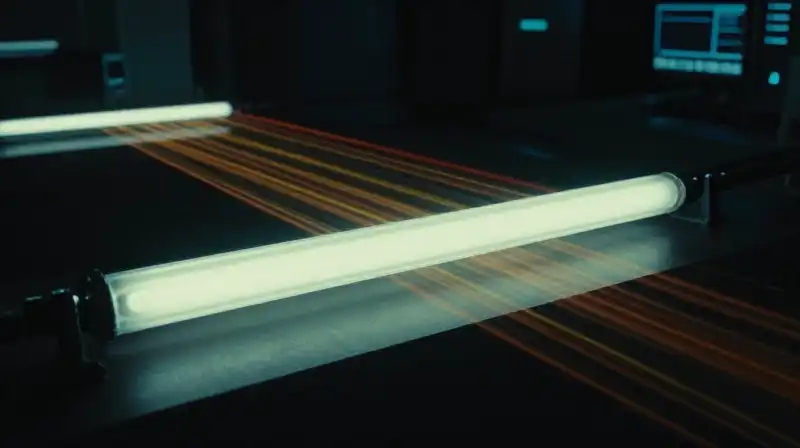
The short answer to the question of whether fluorescent lights get hot is yes; they do generate thermal energy. However, understanding the intensity and nature of this heat requires looking beyond simple power draw. The heat output of any electrical device is fundamentally tied to its efficiency—specifically, the percentage of total power that is converted into light versus the percentage that is converted into waste heat. Fluorescent bulbs are energy-efficient compared to older technologies, but they are still significantly less efficient than LED counterparts. Therefore, while fluorescent lights release heat into a room, the amount generated is typically far less than that produced by traditional incandescent bulbs.
How Fluorescent Bulbs Generate Heat
The primary source of heat in fluorescent fixtures is the conversion of electrical energy into visible light. Fluorescent lighting begins by passing electricity through a gas tube containing mercury vapor. This electrical energy first generates ultraviolet (UV) light within the tube. This high-energy UV light then strikes a phosphor coating, causing the phosphor to emit visible light—the light you actually see. The “waste” energy, the heat, is the energy difference between the high-energy UV photons absorbed by the phosphor and the lower-energy visible light photons emitted. This loss of energy manifests as thermal energy.
It is important to clarify that these lights do emit UV rays as an intermediate step in the conversion process. This is not typically what the consumer perceives as “heat,” but it is a key characteristic of the technology. Furthermore, components within the fixture, such as the ballasts and electronic drivers, also contribute to the overall thermal load. For these reasons, although a fluorescent bulb is designed to be bright and efficient, the operation of the chemical reactions and electronic components inevitably produces noticeable heat.
Thermal Load Comparison: Fluorescent vs. Incandescent vs. LED
To put the heat output into perspective, it is useful to compare the three major lighting technologies. When assessing heat, we are looking at the energy conversion rate. Generally, a bulb’s thermal load can be approximated by its total watt rating minus the percentage of power converted into usable light.
| Technology | Typical Efficiency | Heat Generation Profile | Energy Conversion Focus |
|---|---|---|---|
| Incandescent | Low (e.g., 1–3%) | Very High. Most power is converted directly into radiant heat. | Heat |
| Fluorescent | Medium (e.g., 25–40%) | Medium. Significantly less heat than incandescent due to light conversion, but still a considerable byproduct. | Light |
| LED | High (e.g., 50–80%+) | Low. The most energy is directed into photons of light, resulting in the least wasted heat per watt. | Light |
As the comparison demonstrates, fluorescent lights generate substantially less heat than incandescent bulbs. Conversely, LED lighting, which has the highest efficiency, generates the lowest amount of heat for the same output of light.
Practical Effects on Room Temperature and HVAC Systems
The heat generated by lighting is considered a thermal load. In a typical residential or commercial space, the collective thermal load of all installed light fixtures must be managed by the building’s air conditioning or heating system. The effective heat load introduced by lighting is roughly equivalent to the total wattage of all operational fixtures.
For most standard residential applications with only a few bulbs, the heat generated by a single fluorescent lamp is often minimal and does not substantially impact overall room temperature. However, in dense installations—such as large offices, warehouses, or industrial spaces—the cumulative effect of multiple high-wattage fluorescent fixtures can become a measurable factor. This heat forces air conditioning units to work harder, increasing their energy consumption. The efficiency of the AC unit, often described by its SEER rating, determines how effectively it can compensate for this heat load.
Maintaining Optimal Performance and Safety
While fluorescent lamps run cooler overall than incandescents, their performance is highly sensitive to environmental temperature. To function optimally, fluorescent lamps must maintain specific internal conditions related to the mercury vapor pressure. Manufacturers design these tubes (such as T8 and T5) with recommended operating temperatures because performance and efficiency decline if the environment is too hot or too cold, risking issues like mercury condensation.
If you encounter excessive heat or a decrease in brightness, consider these factors related to the lamp’s operational health:
- Condensation: If the mercury condenses at the coolest spot in the lamp, the light will dim or fail. Temperature consistency is key to preventing this.
- Efficiency Decline: Dust and debris on the exterior of the fixture or lamp can act as thermal insulators, preventing heat dissipation and lowering overall efficiency.
- Power Loss: Inefficient ballasts or damaged drivers can introduce heat and reduce the quality of the light output.
Optimizing Lighting for Thermal Comfort and Energy Savings
To manage the heat output of your lighting systems—and reduce energy costs—a combination of smart design choices and maintenance is necessary:
- Choose LED Alternatives: If reducing heat is a priority, transitioning from fluorescent to LED lighting is the most effective solution. LEDs produce about 75% less heat than comparable fluorescent fixtures.
- Utilize Dimming and Controls: Employing dimmers or smart controls allows you to lower the wattage of the fixtures, directly reducing the heat output and energy consumption.
- Ensure Proper Airflow: In commercial settings, ensure that fixtures are not enclosed in way that traps heat, allowing for optimal thermal dissipation.
- Regular Maintenance: Periodically cleaning dust from fixtures and ensuring that ballast components are free of debris helps maintain the intended heat transfer capabilities of the system.
In conclusion, fluorescent lights do generate heat as an unavoidable byproduct of their conversion process, but they do so much less than their incandescent predecessors. Recognizing this heat load allows facility managers and homeowners to properly account for cooling requirements and, more importantly, makes the case for upgrading to LED technology to achieve a measurable reduction in both energy bills and indoor thermal discomfort.
How to Optimize Lighting for Thermal Comfort and Energy Savings
Choose LED Alternatives
If reducing heat is a priority, transition from fluorescent to LED lighting, as LEDs produce significantly less heat than comparable fluorescent fixtures.
Utilize Dimming and Controls
Employ dimmers or smart controls to lower the wattage of the fixtures, which directly reduces the heat output and energy consumption.
Ensure Proper Airflow
In commercial settings, ensure that fixtures are not enclosed in a way that traps heat, allowing for optimal thermal dissipation.
Regular Maintenance
Periodically clean dust from fixtures and ensure that ballast components are free of debris to maintain the system's intended heat transfer capabilities.
Related Articles