

What Happened at Smalls Lighthouse? The 1801 Tragedy Explained

Introduction
The Smalls Lighthouse Tragedy, a harrowing incident that occurred in 1801, is a stark chapter in the history of British maritime safety. It refers to the events at the isolated Smalls Lighthouse, off the coast of Pembrokeshire, Wales, where the actions of one keeper, Thomas Howell, led to a traumatic psychological ordeal and a fundamental shift in how navigational lighthouses were staffed. This tragedy was not merely a local incident but a catalyst for a nationwide change in operational policy regarding crew size, moving from a two-man system to a required three-person roster.
Setting the Scene at Smalls Lighthouse
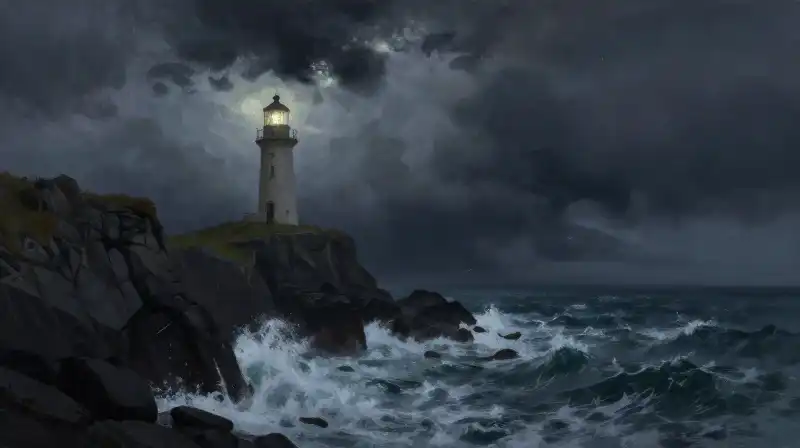
Smalls Lighthouse is a remote navigational structure situated in the rugged waters of Pembrokeshire. In the early 19th century, it served as a vital waypoint for ships navigating the treacherous Irish Sea. The lighthouse was historically manned by a two-man crew, a common practice at the time, though the two keepers, Thomas Howell and Thomas Griffith, were reportedly known to have frequent disagreements or quarrels. The dynamic of the isolated two-man team amplified the tensions. When the death of Thomas Griffith occurred, the highly secluded environment meant that the incident would be immediately fraught with potential for misunderstanding and legal scrutiny.
The Incident and the Fear of Prosecution
The events unfolded when Thomas Griffith died in a freak accident during his shift. Regardless of the official ruling of the accident, Thomas Howell, who was left alone, faced an immense psychological pressure. Due to the isolated nature of the lighthouse and the intense scrutiny placed upon keepers, Howell lived in constant fear of being implicated in foul play or facing charges of murder. His overwhelming anxiety dictated his subsequent actions. To manage the gruesome situation while ensuring the light remained operational, Howell made a desperate decision to conceal the body. He fashioned a makeshift coffin and secured it to the exterior structure of the lighthouse hut, hoping the harsh elements would obscure the evidence.
The Gruesome Cover-Up
The concealment efforts were temporary. The lighthouse environment, characterized by powerful coastal winds and severe weather, eventually damaged the makeshift enclosure. As the body decomposed, the forces of nature worked against Howell’s attempt at secrecy. The structure of the coffin gave way, and the remains were exposed. The true terror for Thomas Howell arose not from the exposure, but from the visual phenomena that occurred. The combination of the decomposition, the positioning of the body, and the relentless, strong winds caused the arm of the deceased to appear to wave or beckon through the damaged window. This movement—a purely environmental trick—was interpreted by the lone keeper as a sign, creating a situation of intense, surreal horror for Howell.
The Profound Psychological Toll
The relentless sight of the body appearing to beckon was profoundly disturbing. The psychological strain of witnessing such a macabre, movement-induced phenomenon while trapped in isolation was catastrophic. Thomas Howell’s mental state deteriorated rapidly. The isolation combined with the immense guilt and the subsequent psychological trauma from the sight left him severely affected, leading to a mental breakdown that his colleagues later noted they barely recognized. The emotional toll on the keeper was severe enough that it transcended the incident itself. This psychological consequence, coupled with the difficulty of maintaining duty in extreme isolation, highlighted the intense strain placed on single-person operational roles in remote environments.
Smalls Lighthouse Legacy and Operational Change
The Smalls Lighthouse Tragedy holds a dual historical significance, extending beyond the tragic death and cover-up. Operationally, the incident was a critical turning point for British lighthouse management. The intense distress and the operational risks associated with the two-man system under such stressful circumstances mandated a significant policy change. Starting shortly after the tragedy, British lighthouse policy was revised, moving away from the two-man team structure. The new standard required three-person crews. This policy of three-person teams was maintained until the advent of automation in the British lighthouses during the 1980s. This policy change demonstrated that the Smalls Tragedy was a decisive factor in prioritizing crew well-being and operational redundancy in maritime navigation. Furthermore, Smalls Lighthouse holds another distinct place in maritime history; it was the location where Thomas Hubbard Sumner reportedly discovered the principle of celestial position lines, known today as Sumner Lines, a crucial navigational concept.
Understanding Related Search Topics
Many users seek information regarding the Smalls Lighthouse Tragedy through media and geographical interest.
The historical nature of the event has inspired various cultural works. While there is no widely known official “Smalls Lighthouse Tragedy movie” or specific book dedicated solely to the 1801 incident, its atmosphere and themes have been referenced in modern media, including BBC radio plays and dramatic depictions of isolated lighthouses, such as the film The Lighthouse, which captures similar themes of isolation and mental strain.
For those seeking geographical information, Smalls Lighthouse is located off the coast of Pembrokeshire, Wales. While the interior of the historical structure has seen environmental damage and age, it remains managed by Trinity House and is considered one of the most remote navigational aids in the British system.
Synthesis: The Lesson of the Smalls Tragedy
The Smalls Lighthouse Tragedy is a potent example of how environmental factors, human psychology, and historical policy intersect. It is a story of extreme isolation leading to a desperate cover-up, driven by fear. The ultimate utility of studying this tragedy is not merely the gruesome narrative, but the clear, resulting lesson: the need for robust operational safeguards. The transition to three-person crews established a standard of care that addressed the acute psychological vulnerability of lone workers in high-stress, remote environments.
Frequently Asked Questions
What happened at The Smalls lighthouse?
After Thomas Griffith died in a freak accident, keeper Thomas Howell concealed the body but suffered a psychological breakdown when wind-induced phenomena caused the remains to appear to wave. This tragedy became the catalyst for British lighthouse policy to change from a two-man system to a required three-person roster.
Related Articles