

Why Rodents Chew Wires: Causes, Dangers, and Prevention Strategies

Introduction
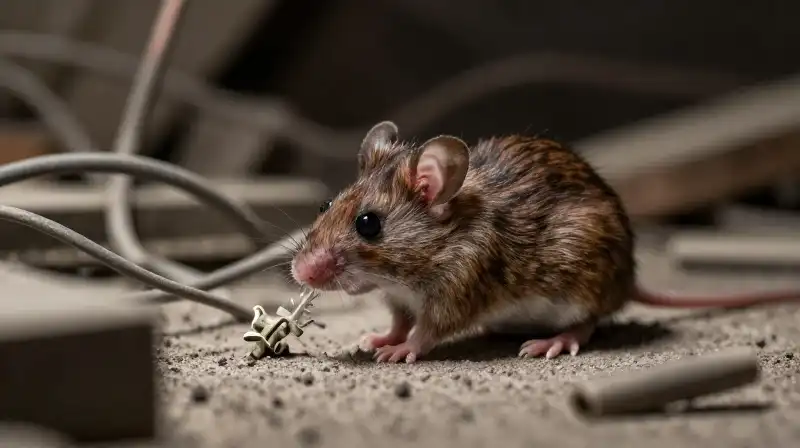
Rodents are frequently observed chewing wires, leading many to wonder if it is a simple act of hunger or if a more complex biological process is at play. The primary reason mice and rats chew wires is multifaceted: while some damage is purely behavioral, stemming from a biological necessity to wear down their teeth, other instances are driven by sensory attraction to the materials themselves. To understand the risk, it is essential to first understand the “why” before addressing the significant electrical and safety dangers involved.
The Biological Drive: Incisor Maintenance
The most fundamental and constant reason a rodent chews, regardless of whether it is near wires, is to manage its teeth. Unlike humans, rodent incisors grow continuously and extremely quickly. If they are not worn down by chewing, these teeth will rapidly become too long, making it difficult or impossible for the animal to eat, drink, or communicate. This constant gnawing is a natural, instinctive mechanism—often termed “dental maintenance”—that helps the rat regulate the length of its powerful teeth. Therefore, when rats chew, the behavior is often less about consuming the wire and more about satisfying a deep-seated biological need.
Sensory Attraction to Insulation and Materials
While biological maintenance explains the fundamental drive, there are other reasons, particularly concerning the act of chewing specific types of wires. Rodents are highly sensitive to their environment, and they may be attracted to the soft chemicals, scents, or textures present in certain insulating materials.
Why do mice chew wires in the house? Beyond dental needs, certain coatings, especially those derived from plants or soy (common in some cord insulation), can possess a texture and smell that mimics natural foraging targets. For many rodents, this can make the rubber insulation an attractive target for chewing or even nesting material. While some argue rodents do not naturally target electrical cabling, observed cases of damage consistently point to this material attraction.
Electrical Hazards and Physical Damage Risks
The danger posed by rodent activity is not just aesthetic; it is a serious safety hazard. When a rat successfully chews through the protective insulation of a wire, it exposes the live electrical conductors within. This breach can lead to several life-threatening situations:
- Electrical Fire: Exposed live wires can cause short circuits, leading to sparks, heat buildup, and eventually, electrical fires.
- Electric Shock: Contact with exposed wires presents an immediate risk of severe electric shock to humans or pets.
- System Malfunction: In machinery or vehicle electrical systems, chewing can lead to intermittent failures, engine issues, and unpredictable system shutdowns.
Prevention Strategies for Car and Home Wiring
Stopping rodents from accessing wiring requires a layered approach that addresses both their natural behaviors and their sensory preferences.
Preventing Damage in Vehicle Engine Compartments
Engine compartments are highly vulnerable because they offer warm, sheltered, and protected environments. Rodents use these spaces for nesting and refuge, especially during cold periods.
- Physical Barriers: Using metal or hard protective car covers can act as a deterrent and restrict access to wiring.
- Sensory Repellents: Chemical deterrents, such as peppermint oil, can be highly effective. Rodents find the strong, unpleasant scent of certain oils repellent and avoid areas where they are applied.
- Ultrasonic Deterrents: These devices emit high-frequency sounds that are safe and non-toxic but unpleasant to rodents, helping to discourage them from entering a specific area.
- Parking Practices: Parking vehicles in well-lit, enclosed, or garage areas, away from dense vegetation or waste that attracts other pests, is a crucial preventative measure.
Protecting Indoor Wiring
For home wiring, the strategy focuses on exclusion and making the target undesirable.
To prevent mice from chewing wires in walls or exposed cables, sealing entry points is the priority. Where wires are accessible, routing them through insulated conduit makes them physically inaccessible to chewing. If the wires themselves must be accessible (e.g., for appliance cords), protecting them with heavy-duty, non-chewable coverings is necessary.
Signs and Indicators of Rodent Infestation
Determining if mice or rats are chewing on wires requires regular, focused inspection.
How to tell if mice are chewing on wires? Look for distinct physical signs of damage, such as missing insulation, frayed wires, gnaw marks on plastic or rubber conduits, and the presence of rodent droppings or nesting materials (like shredded insulation or bedding) near electrical panels or under vehicle hoods. Regular vigilance and inspection—especially in areas with concealed wiring—is the most reliable way to detect an infestation early, before a dangerous short circuit or fire occurs.
Practical Guide to Rodent Control vs. Repellency
It is important to distinguish between deterrent methods and outright eradication. While sensory methods (scents, sounds) can successfully repel rodents and prevent damage, they do not resolve a permanent infestation.
| Strategy | Primary Function | Pros | Cons/Limits |
|---|---|---|---|
| Sensory Repellents (e.g., Peppermint Oil) | Deterrence | Non-toxic; low environmental impact. | Must be applied regularly; rodents may habituate over time. |
| Ultrasonic Devices | Deterrence | Safe, non-toxic, remote application. | Effectiveness can be reduced by physical barriers or in large, complex spaces. |
| Physical Exclusion (Conduit/Covers) | Prevention | 100% protection once installed; permanent solution. | Requires installation effort; may alter the intended use of the area. |
Conclusion: Mitigating Risks Through Comprehensive Action
The primary motivation for rodents to chew wires—whether biological maintenance for their incisors or sensory attraction to soft materials—is never benign. The resulting electrical hazards, including fire and shock, necessitate a proactive defense. A comprehensive strategy against rodent damage involves combining physical barriers (sealing access points), utilizing sensory deterrents (scents and sounds), and maintaining diligent physical inspections of all wiring and machinery. By prioritizing prevention over the assumption that rodents will not target wires, you can mitigate the serious risks associated with infestation.
How to Prevent Rodent Damage to Wires
Identify Vulnerable Areas
Inspect all areas where wires are located, such as vehicle engine compartments, concealed wall wiring, or exposed cables, to determine potential entry or access points.
Implement Physical Barriers
For cars, use metal or hard protective covers. For homes, route accessible wiring through insulated conduit or protect exposed cables with heavy-duty, non-chewable coverings.
Apply Sensory Deterrents
Use chemical deterrents like peppermint oil or deploy ultrasonic devices to discourage rodents by making the areas unpleasant.
Seal Entry Points
Prioritize sealing all entry points where rodents can gain access to the structure or vehicle, ensuring exclusion.
Maintain Regular Inspections
Perform regular, focused inspections of all wiring, looking for signs of damage like missing insulation, frayed wires, or rodent droppings and nesting materials.
Related Articles