
What Is Pool Chalk For? Improving Grip, Spin, and Cue Control

Introduction
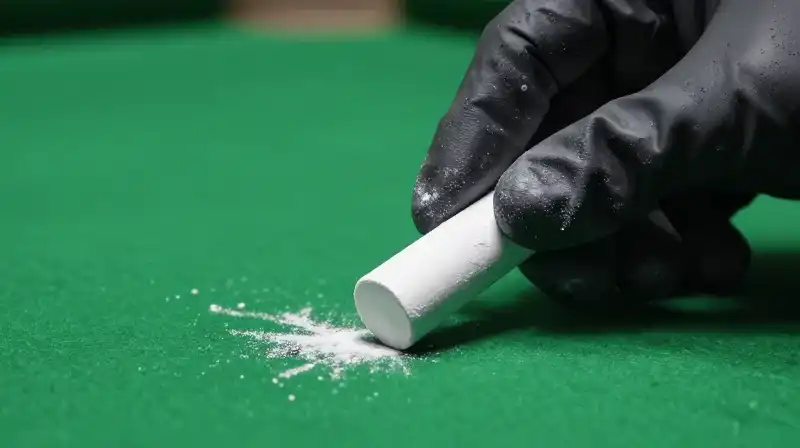
Pool chalk is a specialized tool for precision, serving multiple functions related to grip, friction, and consistency. The fundamental purpose of applying chalk to the cue is to introduce controlled friction, which is critical for maintaining accurate contact between the cue tip and the cue ball. This slight increase in motion resistance ensures that when you strike the ball, its movement is exactly what you intended—preventing premature slipping or sudden, unintended deviations from your aim. While many associate chalk primarily with preventing miscue errors, its role extends beyond the cue tip to include moisture management on the player’s hand.
How Chalk Functions at the Cue Tip
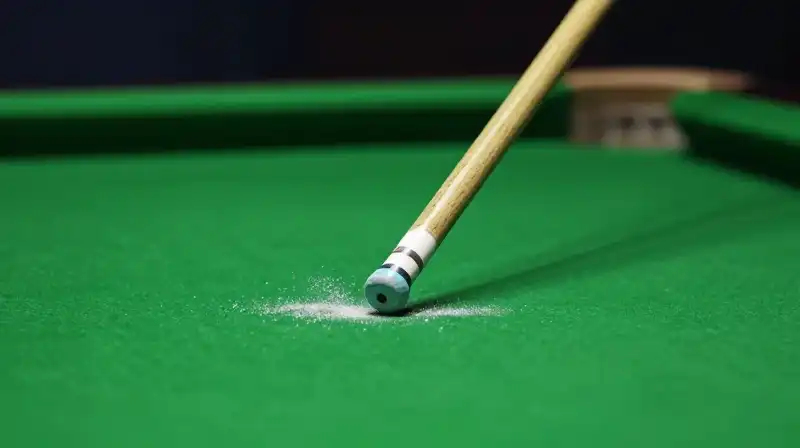
The primary role of chalk on a billiard cue is to stabilize the tip during impact. Even the smallest imperfection in the cue’s finish or the natural oils on a leather tip can cause the tip to slide or skip across the surface of the cue ball, particularly when applying significant spin. This slippage leads to unpredictable trajectories and missed objectives.
By creating a finely textured layer, the chalk achieves several physical goals:
- Maintaining Structural Grip: It ensures there is adequate friction between the cue tip and the ball, helping the ball travel in the exact intended direction.
- Enabling Spin Control: For shots requiring sidespin (English) or backspin, the chalk facilitates the maintenance of that spin throughout the impact, which is essential for curving or slowing the ball after contact.
- Counteracting Wear: Over time, the polished surface of a cue tip naturally smooth and becomes less grippy. Chalk provides the necessary resistance to counteract this natural wear and tear, preserving shot quality.
The Importance of Chalk on the Hands
Beyond the cue tip, players often use chalk on their bridge hand (the hand that guides the cue). This application serves a distinct, though complementary, purpose: moisture absorption. A hand covered in sweat or moisture can create unpredictability and subtle slippage during the crucial moments of cue movement and aiming.
Chalk, acting as a desiccant, absorbs sweat and moisture, which indirectly helps reduce friction between the hand and the wood/fiber of the cue. This allows for smoother, more consistent manipulation of the cue, leading to a more stable shot delivery and fewer accidental wobbles during the stroke.
Addressing Key Pool Playing Scenarios
The necessity of chalk becomes apparent in specific situations, such as when a player is attempting a difficult bank or a “draw” shot requiring high control over the cue ball’s subsequent movement. In these instances, the extra grip provided by the chalk ensures that the impact energy is transferred precisely to the ball without being dissipated by a slide.
If a shot requires significant spin, it is most beneficial to apply chalk immediately before that stroke. Consistent chalk application helps maintain focus and improves consistency between turns, creating a reliable routine for the player regardless of their skill level.
Can You Play Pool Without Chalk?
Yes, you can technically play pool without chalk, but it is strongly recommended to use it for competitive or serious play. A leather tip or a rubber tip offers a slightly different solution. While rubber tips are alternatives designed to prevent slippage, the source indicates that a properly chalked leather tip typically provides a greater level of accuracy and control for varied shots.
The risk of playing without it is high. Skipping chalk application can result in:
- Unexpected ball trajectory due to slipping.
- Poor shot quality and inconsistent results.
- Increased incidence of miscue errors when aiming closely.
Best Practices for Chalk Application and Maintenance
The technique of application is as important as the act itself. To ensure maximum effectiveness and prevent damage to your equipment, follow these guidelines:
- Spread Evenly: Apply the chalk lightly, completely, and evenly across the intended contact area of the tip.
- Avoid Grinding: Do not grind the chalk into the tip. Aggressive friction from grinding drastically speeds up the wear of the tip, shortening its usable lifespan.
- Replacement: If the chalk layer shows large, visible holes where the underlying material is exposed, it is a clear signal that the existing layer needs to be replaced.
- Clean Up: A potential downside of frequent chalk use is the fine dust it generates. To mitigate this, gently tap the cue stick after application to shake off any excess material from the tip.
Synthesizing the Value of Pool Chalk
Ultimately, pool chalk is not merely a cosmetic addition; it is a functional tool for precision and consistency. Whether you are maximizing control at the cue tip or managing moisture on your hand, chalk reduces variables in the game. For players seeking better control over spin, avoiding unpredictable skips, and improving overall shot accuracy—especially in competitive environments—the consistent application of chalk is a critical, practical step in refining their technique and minimizing the chance of costly errors.
Frequently Asked Questions
What is the use of chalk in pools?
Chalk is used at the cue tip to provide controlled friction, ensuring accurate contact with the cue ball, stabilizing the tip, and enabling the maintenance of spin. Additionally, it acts as a desiccant on the players hand to absorb sweat and moisture, allowing for smoother and more consistent cue manipulation.
Can you play pool without chalk?
Yes, you can technically play pool without chalk, but it is strongly recommended for competitive or serious play. Skipping chalk application significantly increases the risk of unexpected ball trajectory, poor shot quality, and increased incidence of miscue errors.
How to Apply and Maintain Pool Chalk
Spread Evenly
Apply the chalk lightly, completely, and evenly across the intended contact area of the tip.
Avoid Grinding
Do not grind the chalk into the tip, as aggressive friction speeds up wear and shortens the tip's lifespan.
Replace When Needed
If the chalk layer shows large, visible holes where the underlying material is exposed, it is time to replace the existing layer.
Clean Up Excess Dust
Gently tap the cue stick after application to shake off any excess material and mitigate the fine dust generated.
Related Articles