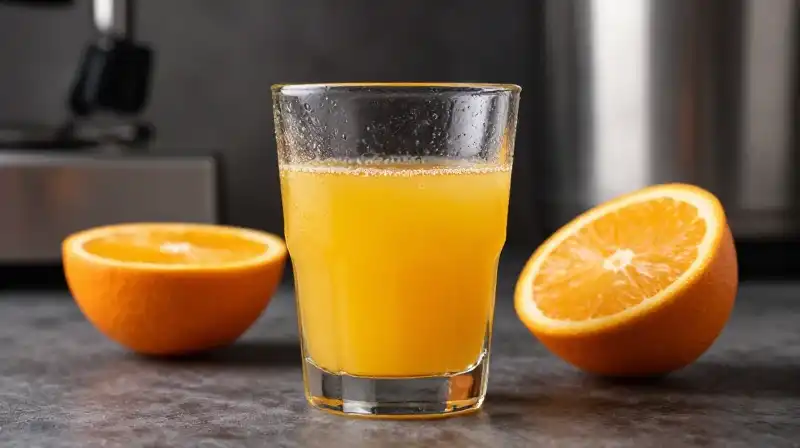

From Concentrate vs. NFC Juice: Which Is Better For Health?

Introduction The choice between juice from concentrate (FC) and not from concentrate (NFC) involves more than just a label; it represents a fundamental difference in production, nutritional value, and logistics. While FC juices offer the convenience of a long shelf life and cost efficiency, NFC juices aim to provide the closest possible experience to freshly pressed fruit. Which one is “better” depends entirely on your priority: maximum health and minimal processing, or logistical convenience and price. Understanding the Manufacturing Process: FC vs NFC To determine which option is superior for you, it is crucial to understand how each juice reaches the shelf. From Concentrate (FC) Production Juice from concentrate is created by removing the majority of the water content from the original fruit juice using a rigorous process of filtration and extraction. This concentration process achieves several things: it creates a dense, thick syrup; it significantly reduces shipment weight, which drives cost-effectiveness; and the removal of water reduces bacterial growth, extending the product’s shelf life. However, this industrial modification comes at a cost: the intense heat often used during concentration can potentially alter the natural flavor and chemical composition of the juice, and essential nutrients and fiber are often lost in the extraction. Not From Concentrate (NFC) Production Not from concentrate juice is shipped in its full, undiluted liquid form, containing its original water content. The production method for NFC juices involves delivering the freshest fruit and requires far less intensive industrial processing than the concentration method. Because it bypasses the heat and water removal necessary for concentrating the syrup, NFC products generally retain a flavor profile and a nutritional profile that is much closer to freshly pressed juice. Nutritional Impact and Health Comparison The health debate often centers on whether FC juices are inherently “bad.” The reality is nuanced, dependent on additives and how much of the product you consume. The Nutrient Profile Advantage of NFC NFC juice is generally considered healthier because it undergoes fewer industrial modifications, meaning it retains the full nutritional profile of the fruit. These juices are rich in beneficial plant compounds such as anthocyanins, carotenoids, and flavonoids, along with essential vitamins. By maintaining the fruit’s original structure, NFC juice often provides a more complete spectrum of fiber and natural nutrients. Addressing Disadvantages of FC Juices The primary disadvantages of juice from concentrate are related to nutrient depletion and processing.- Nutrient Loss: The extraction process removes essential vitamins, minerals, and fiber.
- Added Ingredients: To restore flavor and appearance, manufacturers frequently incorporate added ingredients like synthetic flavorings, preservatives, and—crucially—additional sweeteners.
- Health Risks: Consuming juices high in added sugars (a common feature in FC products) has been associated with health concerns, including increased risk of diabetes, heart disease, and chronic inflammation. Clarifying Misconceptions: Is FC “Fake”?
There is often confusion regarding the authenticity of FC products. What “From Concentrate” Actually Means The term “from concentrate” describes a processing method—a way of moving liquid juice through filtration and extraction to save on shipping costs—it does not inherently mean the juice is fake or artificial. However, when comparing it to NFC or freshly pressed juice, FC represents a heavily processed state. The “All Natural” Label and Processing Limits Many consumers are confused by labels. The term “all natural” is often not strictly regulated in food labeling. This allows manufacturers to use the label even if the final product contains various chemical preservatives or additional sweeteners added during the reconstitution phase, making ingredient scrutiny essential. Logistics and Economic Drivers The difference in pricing and availability stems directly from logistics. Cost and Shelf Life: The FC Advantage The global demand for juice concentrates is driven by stability and economic viability. FC products are designed for mass distribution because the concentrate is significantly lighter than the fully diluted product, resulting in lower shipping costs. This concentration process also creates a highly stable product with a long shelf life. The Premium for Purity: NFC Logistics NFC juice is typically a premium option because the cost of shipping the full, water-heavy volume is factored into the final retail price. Furthermore, to maintain the original flavor profile, NFC juice must bypass the intense heat and water removal required for concentration, which requires careful, often more expensive, cold-chain logistics. Practical Guide to Making the Best Choice Deciding which juice is better requires looking beyond the concentrate label and assessing the total nutritional quality of the final beverage. Prioritizing Nutritional Retention (For Health-Conscious Choice) If your primary goal is maximizing nutrient density, minimizing additives, and reducing potential health risks associated with added sugars, NFC juice is the superior choice. When choosing FC, look for labels indicating “100% fruit concentrates” (which contain only natural fruit sugars) and carefully read the ingredient list for added sweeteners or artificial flavorings. Navigating Different Juice Types It is also helpful to consider other forms of concentrated juice:- Powdered Concentrates: Produced through dehydration (like spray or freeze drying), these are highly space-efficient and often used in beverages, but they require reconstitution and must be carefully checked for added sugar and preservatives.
- 100% NFC: This maintains the maximum nutritional profile, often representing the premium, less-processed end of the spectrum. Synthesis: Final Decision Criteria Choosing between FC and NFC is a decision about processing trade-offs. If your priority is **maximum health, flavor fidelity, and minimal industrial modification**, NFC is the recommended option, despite the higher retail price. If your priority is **convenience, cost efficiency, and shelf stability**, FC is the more practical choice. However, if you select FC, you must: 1. Always check that the concentrate is 100% fruit based. 2. Critically review the ingredient list for added sugars and chemical preservatives. In summary, NFC is the “purer” path to original fruit flavor and nutrition, while FC is an economically optimized, shelf-stable product that requires the consumer to exercise vigilance regarding added ingredients.
Frequently Asked Questions
What are the disadvantages of juice from concentrate?
The primary disadvantages of juice from concentrate are that the extraction process removes essential nutrients, vitamins, and fiber. Furthermore, manufacturers often add ingredients like synthetic flavorings, preservatives, and sweeteners, which are associated with increased health risks.
Does "from concentrate" mean fake?
The term from concentrate does not inherently mean the juice is fake or artificial, as it only describes a processing method involving filtration and extraction to save on shipping costs.
Is not from concentrate healthy?
NFC juice is generally considered healthier because it undergoes fewer industrial modifications, allowing it to retain the full nutritional profile of the fruit. These juices are rich in beneficial plant compounds, essential vitamins, and a more complete spectrum of natural fiber.
Related Articles